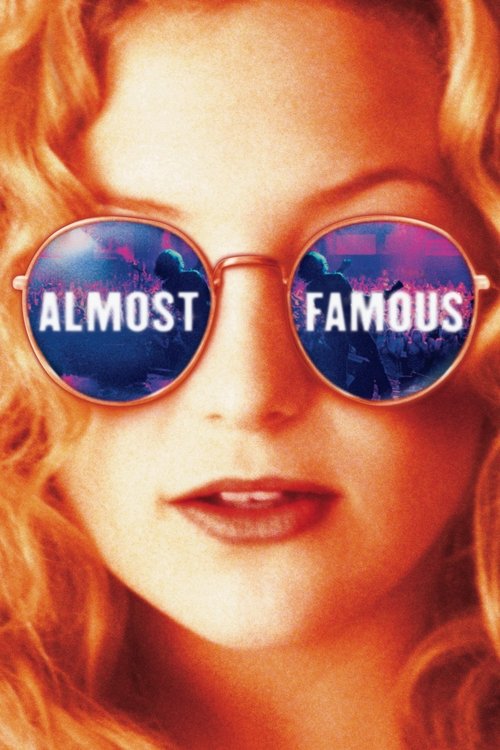
Almost Famous
In 1973, 15-year-old William Miller's unabashed love of music and aspiration to become a rock journalist lands him an assignment from Rolling Stone magazine to interview and tour with the up-and-coming band, Stillwater.
The film struggled financially against its respectable budget of $60.0M, earning $47.4M globally (-21% loss).
1 Oscar. 54 wins & 103 nominations


Plot Structure
Story beats plotted across runtime


Narrative Arc
Emotional journey through the story's key moments
Story Circle
Blueprint 15-beat structure
Arcplot Score Breakdown
Weighted: Precision (70%) + Arc (15%) + Theme (15%)
Almost Famous (2000) showcases precise dramatic framework, characteristic of Cameron Crowe's storytelling approach. This structural analysis examines how the film's 15-point plot structure maps to proven narrative frameworks across 2 hours and 4 minutes. With an Arcplot score of 7.1, the film balances conventional beats with creative variation.
Characters
Cast & narrative archetypes

William Miller
Penny Lane
Russell Hammond
Jeff Bebe
Lester Bangs
Elaine Miller
Polexia Aphrodisia
Main Cast & Characters
William Miller
Played by Patrick Fugit
A 15-year-old aspiring music journalist who goes on tour with rock band Stillwater for Rolling Stone magazine.
Penny Lane
Played by Kate Hudson
A charismatic Band-Aid (groupie) who becomes William's love interest and muse, representing freedom and the rock lifestyle.
Russell Hammond
Played by Billy Crudup
Stillwater's talented lead guitarist struggling with ego, fame, and his place in the band.
Jeff Bebe
Played by Jason Lee
Stillwater's lead singer who feels overshadowed by Russell and fights to keep the band democratic.
Lester Bangs
Played by Philip Seymour Hoffman
Legendary rock critic who mentors William and warns him about the corrupting influence of the music industry.
Elaine Miller
Played by Frances McDormand
William's overprotective, intellectual mother who reluctantly allows him to pursue journalism on tour.
Polexia Aphrodisia
Played by Anna Paquin
One of the Band-Aids who travels with Penny Lane and the band.
Structural Analysis
The Status Quo at 1 minutes (1% through the runtime) establishes Young William sits alone in his room, surrounded by his sister's albums and record player, an intelligent but isolated 15-year-old living vicariously through rock music while his overprotective mother tries to shelter him from the world.. The analysis reveals that this early placement immediately immerses viewers in the story world.
The inciting incident occurs at 13 minutes when At the Black Sabbath concert, William meets the band Stillwater and charismatic guitarist Russell Hammond. When Russell invites him backstage, William enters the world of professional rock and roll for the first time, glimpsing the life he's only read about.. At 11% through the film, this Disruption aligns precisely with traditional story structure. This beat shifts the emotional landscape, launching the protagonist into the central conflict.
The First Threshold at 31 minutes marks the transition into Act II, occurring at 25% of the runtime. This reveals the protagonist's commitment to William makes the active choice to join Stillwater on tour despite being only 15 and despite his mother's objections. He boards the tour bus with the band, leaving his ordinary world behind to become a professional rock journalist for Rolling Stone., moving from reaction to action.
At 62 minutes, the Midpoint arrives at 50% of the runtime—precisely centered, creating perfect narrative symmetry. The analysis reveals that this crucial beat False defeat: Russell, high on acid, climbs onto a roof at a house party and proclaims "I am a golden god!" before jumping into the pool. This moment of peak rock-star ego marks the beginning of things getting darker—William sees the emptiness behind the mythology, and the cracks in the band begin to show., fundamentally raising what's at risk. The emotional intensity shifts, dividing the narrative into clear before-and-after phases.
The Collapse moment at 90 minutes (73% through) represents the emotional nadir. Here, Penny Lane overdoses on Quaaludes in a devastating suicide attempt after being discarded by Russell. William must frantically save her life while confronting the darkness beneath the glamorous surface. His innocence dies as he realizes the people he idolized are deeply flawed and the dream is hollow., reveals the protagonist at their lowest point. This beat's placement in the final quarter sets up the climactic reversal.
The Second Threshold at 98 minutes initiates the final act resolution at 79% of the runtime. On a plane experiencing severe turbulence and believing they're about to die, the band members confess their true feelings and secrets to each other. This moment of genuine honesty breaks through the rock-star facade. William realizes the real story is about the truth behind the mythology, synthesizing Lester's lessons about integrity with what he's learned from Penny about authenticity., demonstrating the transformation achieved throughout the journey.
Emotional Journey
Almost Famous's emotional architecture traces a deliberate progression across 15 carefully calibrated beats.
Narrative Framework
This structural analysis employs systematic plot point analysis that identifies crucial turning points. By mapping Almost Famous against these established plot points, we can identify how Cameron Crowe utilizes or subverts traditional narrative conventions. The plot point approach reveals not only adherence to structural principles but also creative choices that distinguish Almost Famous within the drama genre.
Cameron Crowe's Structural Approach
Among the 7 Cameron Crowe films analyzed on Arcplot, the average structural score is 7.0, demonstrating varied approaches to story architecture. Almost Famous represents one of the director's most structurally precise works. For comparative analysis, explore the complete Cameron Crowe filmography.
Comparative Analysis
Additional drama films include After Thomas, South Pacific and Dirty Dancing: Havana Nights. For more Cameron Crowe analyses, see Singles, Aloha and We Bought a Zoo.
Plot Points by Act
Act I
SetupStatus Quo
Young William sits alone in his room, surrounded by his sister's albums and record player, an intelligent but isolated 15-year-old living vicariously through rock music while his overprotective mother tries to shelter him from the world.
Theme
Lester Bangs tells William on the phone: "The only true currency in this bankrupt world is what you share with someone else when you're uncool." This encapsulates the film's core theme about authenticity versus selling out, and the cost of trying to be cool.
Worldbuilding
Establishment of William's world: his strict academic mother Elaine, his sister Anita rebelling and leaving home, his discovery of rock music, his precocious writing talent, and his first assignment from Creem magazine editor Lester Bangs to review a Black Sabbath concert.
Disruption
At the Black Sabbath concert, William meets the band Stillwater and charismatic guitarist Russell Hammond. When Russell invites him backstage, William enters the world of professional rock and roll for the first time, glimpsing the life he's only read about.
Resistance
William navigates the backstage world, meets the Band-Aids (groupies) including Penny Lane, receives guidance from Lester Bangs about maintaining integrity, and debates whether he's ready for this world. He lies to his mother about his whereabouts and gets offered the Rolling Stone assignment.
Act II
ConfrontationFirst Threshold
William makes the active choice to join Stillwater on tour despite being only 15 and despite his mother's objections. He boards the tour bus with the band, leaving his ordinary world behind to become a professional rock journalist for Rolling Stone.
Mirror World
Penny Lane fully enters William's life as more than just a Band-Aid. Their conversation on the tour bus reveals her depth and philosophy. She represents everything about the rock world that's alluring but also teaches William about authenticity, as she herself is performing a role (not even her real name is Penny Lane).
Premise
The fun of being on tour: William experiences the rock and roll lifestyle, interviews the band, develops his crush on Penny, witnesses the creative tensions between Russell and lead singer Jeff, navigates groupie politics, and lives the promise of the premise—a teenage journalist embedded with a rock band in the 1970s.
Midpoint
False defeat: Russell, high on acid, climbs onto a roof at a house party and proclaims "I am a golden god!" before jumping into the pool. This moment of peak rock-star ego marks the beginning of things getting darker—William sees the emptiness behind the mythology, and the cracks in the band begin to show.
Opposition
Pressure mounts from all sides: Rolling Stone needs William's article and fact-checking exposes lies; Russell sells Penny to Humble Pie for $50 and a case of beer, breaking William's heart; the band becomes more hostile to William's journalistic presence; Russell and Jeff's ego battle intensifies; William's mother discovers he's on tour.
Collapse
Penny Lane overdoses on Quaaludes in a devastating suicide attempt after being discarded by Russell. William must frantically save her life while confronting the darkness beneath the glamorous surface. His innocence dies as he realizes the people he idolized are deeply flawed and the dream is hollow.
Crisis
William sits in darkness with Penny after saving her life. He confesses his love; she gently rejects him, saying "someday you'll be cool." He returns to the hostile band, types his article filled with brutal honesty about what he's witnessed, and faces the reality that he must choose between friendship and truth.
Act III
ResolutionSecond Threshold
On a plane experiencing severe turbulence and believing they're about to die, the band members confess their true feelings and secrets to each other. This moment of genuine honesty breaks through the rock-star facade. William realizes the real story is about the truth behind the mythology, synthesizing Lester's lessons about integrity with what he's learned from Penny about authenticity.
Synthesis
William finishes and submits his honest article. The band realizes he told the truth and briefly turns on him before Russell has a change of heart. William reunites Penny and Russell for a final goodbye at her hometown. Rolling Stone publishes his article. His mother reads it and finally understands her son. All relationships resolve with hard-won honesty.
Transformation
William sits in his childhood room, now transformed from the isolated kid at the beginning. His mother enters with his published Rolling Stone article, showing pride and understanding. The closing image mirrors the opening—William alone in his room—but he's no longer living vicariously. He lived it, stayed true to himself, and became a real writer by being "uncool" enough to tell the truth.