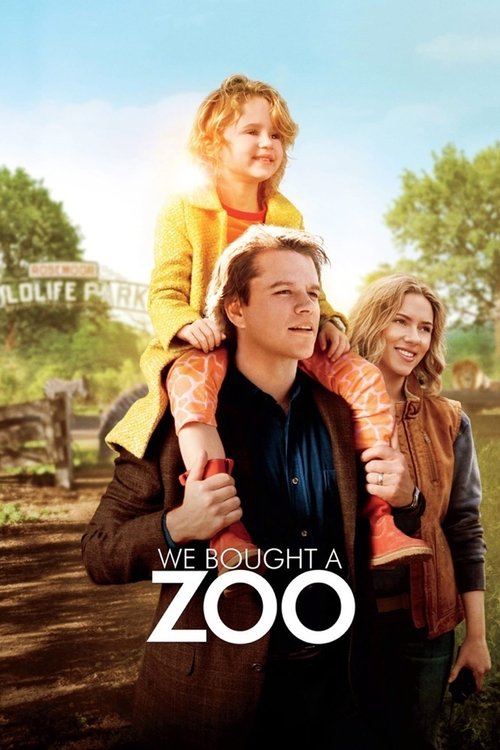
We Bought a Zoo
Benjamin has lost his wife and, in a bid to start his life over, purchases a large house that has a zoo – welcome news for his daughter, but his son is not happy about it. The zoo is in need of renovation and Benjamin sets about the work with the head keeper and the rest of the staff, but, the zoo soon runs into financial trouble.
Despite a mid-range budget of $50.0M, We Bought a Zoo became a commercial success, earning $120.1M worldwide—a 140% return.
1 win & 8 nominations


Plot Structure
Story beats plotted across runtime


Narrative Arc
Emotional journey through the story's key moments
Story Circle
Blueprint 15-beat structure
Arcplot Score Breakdown
Weighted: Precision (70%) + Arc (15%) + Theme (15%)
We Bought a Zoo (2011) showcases precise narrative design, characteristic of Cameron Crowe's storytelling approach. This structural analysis examines how the film's 15-point plot structure maps to proven narrative frameworks across 2 hours and 4 minutes. With an Arcplot score of 6.4, the film takes an unconventional approach to traditional narrative frameworks.
Structural Analysis
The Status Quo at 1 minutes (1% through the runtime) establishes Benjamin Mee struggles through daily life six months after his wife Katherine's death, haunted by memories of her while trying to parent his rebellious teenage son Dylan and young daughter Rosie in their Los Angeles home filled with painful reminders.. The analysis reveals that this early placement immediately immerses viewers in the story world.
The inciting incident occurs at 15 minutes when Dylan is expelled from school for stealing and creating disturbing artwork depicting death. Benjamin realizes they cannot stay in their current home surrounded by memories and grief—they need a complete fresh start somewhere new.. At 12% through the film, this Disruption aligns precisely with traditional story structure. This beat shifts the emotional landscape, launching the protagonist into the central conflict.
The First Threshold at 30 minutes marks the transition into Act II, occurring at 25% of the runtime. This indicates the protagonist's commitment to Benjamin decides to buy the Rosemoor Animal Park despite everyone's skepticism. He tells Dylan, "Why not?" embracing his first moment of twenty seconds of insane courage. The family moves to the zoo, leaving behind their old life entirely., moving from reaction to action.
At 62 minutes, the Midpoint arrives at 50% of the runtime—precisely centered, creating perfect narrative symmetry. The analysis reveals that this crucial beat The zoo passes its first major inspection and Benjamin successfully negotiates to keep the aging tiger Spar alive despite pressure to euthanize him. The family celebrates together, and for the first time since Katherine's death, genuine hope emerges—a false victory before the real challenges begin., fundamentally raising what's at risk. The emotional intensity shifts, dividing the narrative into clear before-and-after phases.
The Collapse moment at 92 minutes (75% through) represents the emotional nadir. Here, Spar the tiger, who represented Katherine's spirit and the family's hope, must be euthanized as his health fails. Benjamin and Kelly share the heartbreaking moment as Spar dies—a metaphorical death of Benjamin's clinging to the past. Dylan runs away, and Benjamin hits rock bottom emotionally and financially., reveals the protagonist at their lowest point. This beat's placement in the final quarter sets up the climactic reversal.
The Second Threshold at 99 minutes initiates the final act resolution at 80% of the runtime. Benjamin discovers that Katherine left him a secret savings account—money she had set aside believing he would one day need it for an adventure. Her posthumous gift represents her faith in him and gives him the resources and emotional permission to complete the zoo renovation and move forward., demonstrating the transformation achieved throughout the journey.
Emotional Journey
We Bought a Zoo's emotional architecture traces a deliberate progression across 15 carefully calibrated beats.
Narrative Framework
This structural analysis employs a 15-point narrative structure framework that maps key story moments. By mapping We Bought a Zoo against these established plot points, we can identify how Cameron Crowe utilizes or subverts traditional narrative conventions. The plot point approach reveals not only adherence to structural principles but also creative choices that distinguish We Bought a Zoo within the drama genre.
Cameron Crowe's Structural Approach
Among the 7 Cameron Crowe films analyzed on Arcplot, the average structural score is 7.0, demonstrating varied approaches to story architecture. We Bought a Zoo takes a more unconventional approach compared to the director's typical style. For comparative analysis, explore the complete Cameron Crowe filmography.
Comparative Analysis
Additional drama films include After Thomas, South Pacific and Dirty Dancing: Havana Nights. For more Cameron Crowe analyses, see Singles, Aloha and Almost Famous.
Plot Points by Act
Act I
SetupStatus Quo
Benjamin Mee struggles through daily life six months after his wife Katherine's death, haunted by memories of her while trying to parent his rebellious teenage son Dylan and young daughter Rosie in their Los Angeles home filled with painful reminders.
Theme
Benjamin's brother Duncan tells him, "You know, sometimes all you need is twenty seconds of insane courage. Just literally twenty seconds of just embarrassing bravery. And I promise you, something great will come of it." This becomes the film's central thesis about taking risks to heal.
Worldbuilding
We see Benjamin's fractured family life: Dylan expelled from school for dark artwork and theft, Rosie's innocent optimism masking her grief, Benjamin quitting his adventure journalism job, and flashbacks revealing the depth of his love for Katherine and the void her death has left.
Disruption
Dylan is expelled from school for stealing and creating disturbing artwork depicting death. Benjamin realizes they cannot stay in their current home surrounded by memories and grief—they need a complete fresh start somewhere new.
Resistance
Benjamin house-hunts with increasingly desperate options. A realtor shows him a perfect house that comes with "a small catch"—it's on the grounds of a dilapidated zoo. Despite Dylan's protests and practical concerns, Benjamin feels drawn to the adventure and possibility of reinvention.
Act II
ConfrontationFirst Threshold
Benjamin decides to buy the Rosemoor Animal Park despite everyone's skepticism. He tells Dylan, "Why not?" embracing his first moment of twenty seconds of insane courage. The family moves to the zoo, leaving behind their old life entirely.
Mirror World
Benjamin meets Kelly Foster, the dedicated head zookeeper who has kept the zoo running on hope alone. Her passion for the animals and quiet strength introduces the thematic mirror—she represents commitment and courage in the face of impossible odds, qualities Benjamin must rediscover.
Premise
The family learns to run a zoo: Benjamin bonds with the eccentric staff, Rosie befriends the animals and young employee Lily, Dylan resists but slowly engages. They face leaky enclosures, dwindling funds, and a demanding USDA inspector, while Benjamin and Kelly develop mutual respect and attraction.
Midpoint
The zoo passes its first major inspection and Benjamin successfully negotiates to keep the aging tiger Spar alive despite pressure to euthanize him. The family celebrates together, and for the first time since Katherine's death, genuine hope emerges—a false victory before the real challenges begin.
Opposition
Money problems intensify as renovation costs spiral. Dylan's resentment explodes into open conflict with Benjamin. A massive storm damages the zoo. The USDA inspector Ferris demands expensive repairs. Benjamin's savings evaporate, and he faces losing everything—the zoo, his relationship with Dylan, and his chance at a new beginning.
Collapse
Spar the tiger, who represented Katherine's spirit and the family's hope, must be euthanized as his health fails. Benjamin and Kelly share the heartbreaking moment as Spar dies—a metaphorical death of Benjamin's clinging to the past. Dylan runs away, and Benjamin hits rock bottom emotionally and financially.
Crisis
Benjamin processes his grief for both Katherine and Spar. He finds Dylan and they have a raw, honest confrontation about their shared loss. Benjamin finally opens up about Katherine's death and his own fears, beginning the reconciliation with his son.
Act III
ResolutionSecond Threshold
Benjamin discovers that Katherine left him a secret savings account—money she had set aside believing he would one day need it for an adventure. Her posthumous gift represents her faith in him and gives him the resources and emotional permission to complete the zoo renovation and move forward.
Synthesis
Energized by Katherine's gift, the family and staff work together to finish repairs before the July 7th opening deadline. Benjamin and Dylan rebuild their relationship. The zoo opens to the public in a triumphant celebration, with the community embracing the Mee family's dream.
Transformation
Benjamin takes his children to the restaurant where he first met Katherine, sharing the story of their "twenty seconds of insane courage" love story. Dylan applies the lesson with Lily. The family, once shattered by grief, is now whole again—transformed by their adventure and ready to embrace life and love anew.