
Amadeus
Antonio Salieri believes that Wolfgang Amadeus Mozart's music is divine and miraculous. He wishes he was himself as good a musician as Mozart so that he can praise the Lord through composing. He began his career as a devout man who believes his success and talent as a composer are God's rewards for his piety. He's also content as the respected, financially well-off, court composer of Austrian Emperor Joseph II. But he's shocked to learn that Mozart is such a vulgar creature, and can't understand why God favored Mozart to be his instrument. Salieri's envy has made him an enemy of God whose greatness was evident in Mozart. He is ready to take revenge against God and Mozart for his own musical mediocrity.
Despite a respectable budget of $18.0M, Amadeus became a box office success, earning $90.0M worldwide—a 400% return.
8 Oscars. 43 wins & 15 nominations


Plot Structure
Story beats plotted across runtime


Narrative Arc
Emotional journey through the story's key moments
Story Circle
Blueprint 15-beat structure
Arcplot Score Breakdown
Weighted: Precision (70%) + Arc (15%) + Theme (15%)
Amadeus (1984) exemplifies meticulously timed narrative architecture, characteristic of Miloš Forman's storytelling approach. This structural analysis examines how the film's 15-point plot structure maps to proven narrative frameworks across 2 hours and 40 minutes. With an Arcplot score of 4.9, the film takes an unconventional approach to traditional narrative frameworks.
Characters
Cast & narrative archetypes

Antonio Salieri

Wolfgang Amadeus Mozart

Constanze Mozart

Emperor Joseph II
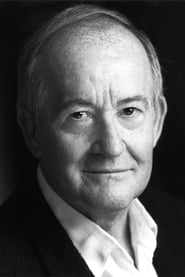
Count Orsini-Rosenberg

Baron van Swieten

Emanuel Schikaneder

Leopold Mozart
Main Cast & Characters
Antonio Salieri
Played by F. Murray Abraham
Court composer consumed by jealousy of Mozart's genius, narrates the story from an asylum.
Wolfgang Amadeus Mozart
Played by Tom Hulce
Brilliant but immature composer whose genius torments Salieri.
Constanze Mozart
Played by Elizabeth Berridge
Mozart's devoted wife who struggles with poverty and her husband's irresponsibility.
Emperor Joseph II
Played by Jeffrey Jones
Well-meaning but musically unsophisticated Austrian Emperor who employs both composers.
Count Orsini-Rosenberg
Played by Charles Kay
Theater director and bureaucrat who often sides with Salieri against Mozart.
Baron van Swieten
Played by Jonathan Moore
Royal librarian and patron who supports Mozart but is stingy with financial help.
Emanuel Schikaneder
Played by Simon Callow
Theatrical impresario who commissions The Magic Flute from Mozart.
Leopold Mozart
Played by Roy Dotrice
Mozart's stern father whose disapproval haunts Wolfgang throughout his life.
Structural Analysis
The Status Quo at 1 minutes (1% through the runtime) establishes Vienna, 1823. An elderly Salieri screams "Mozart! Forgive me!" and slits his throat. He is carried through snowy streets to an asylum, broken and tormented by guilt—establishing the tragic endpoint before his confession begins.. Notably, this early placement immediately immerses viewers in the story world.
The inciting incident occurs at 18 minutes when At the Archbishop's palace, Salieri hears Mozart's music for the first time and is overwhelmed by its divine beauty. Then he discovers the composer himself—a vulgar, giggling man-child chasing a woman under a table. Salieri realizes God has given transcendent genius to "a boastful, lustful, smutty, infantile boy.".. At 11% through the film, this Disruption aligns precisely with traditional story structure. This beat shifts the emotional landscape, launching the protagonist into the central conflict.
The First Threshold at 36 minutes marks the transition into Act II, occurring at 22% of the runtime. This reveals the protagonist's commitment to Salieri examines Mozart's original manuscripts and discovers they contain no corrections—the music flows perfect from first draft. He realizes Mozart is simply taking dictation from God. Salieri makes his choice: "From now on we are enemies, You and I." He declares war not on Mozart, but on God Himself., moving from reaction to action.
At 72 minutes, the Midpoint arrives at 45% of the runtime—arriving early, accelerating into Act IIb complications. Structural examination shows that this crucial beat The premiere of The Marriage of Figaro. Despite Salieri's sabotage, the opera is a triumph—the audience erupts in genuine joy at Mozart's music. The Emperor yawns and limits it to nine performances, but Salieri knows the truth: Mozart's music is immortal while his own is forgettable. His false victory of political manipulation cannot defeat true genius., fundamentally raising what's at risk. The emotional intensity shifts, dividing the narrative into clear before-and-after phases.
The Collapse moment at 108 minutes (68% through) represents the emotional nadir. Here, Mozart, exhausted and ill, collapses during the premiere of The Magic Flute. The mysterious masked figure (Salieri) has been haunting him, demanding the Requiem. Mozart is dying—worked to death by poverty, drink, and the relentless pressure of his own genius. Constanze returns to find him near death, the Requiem unfinished., demonstrates the protagonist at their lowest point. This beat's placement in the final quarter sets up the climactic reversal.
The Second Threshold at 117 minutes initiates the final act resolution at 73% of the runtime. Salieri sits at Mozart's bedside, transcribing the Requiem as Mozart dictates from his deathbed. For one night, Salieri becomes the vessel he always wanted to be—not creating divine music, but faithfully recording it. This collaboration represents the closest Salieri will ever come to touching God's voice, even as he helps the instrument of his destruction., demonstrating the transformation achieved throughout the journey.
Emotional Journey
Amadeus's emotional architecture traces a deliberate progression across 15 carefully calibrated beats.
Narrative Framework
This structural analysis employs proven narrative structure principles that track dramatic progression. By mapping Amadeus against these established plot points, we can identify how Miloš Forman utilizes or subverts traditional narrative conventions. The plot point approach reveals not only adherence to structural principles but also creative choices that distinguish Amadeus within the biography genre.
Miloš Forman's Structural Approach
Among the 6 Miloš Forman films analyzed on Arcplot, the average structural score is 6.3, demonstrating varied approaches to story architecture. Amadeus takes a more unconventional approach compared to the director's typical style. For comparative analysis, explore the complete Miloš Forman filmography.
Comparative Analysis
Additional biography films include After Thomas, Taking Woodstock and The Fire Inside. For more Miloš Forman analyses, see Hair, Goya's Ghosts and One Flew Over the Cuckoo's Nest.
Plot Points by Act
Act I
SetupStatus Quo
Vienna, 1823. An elderly Salieri screams "Mozart! Forgive me!" and slits his throat. He is carried through snowy streets to an asylum, broken and tormented by guilt—establishing the tragic endpoint before his confession begins.
Theme
Young Salieri prays to God: "Let me make music that will glorify You... Make me famous through the world. Make me immortal. After I die, let people speak my name forever with love." He offers his chastity and industry in exchange—establishing the bargain with God that will define and destroy him.
Worldbuilding
The asylum frame is established as Salieri begins his confession to Father Vogler. In flashback, we see Salieri's childhood prayer and bargain with God, his father's providential death, and his rise to become Court Composer in Emperor Joseph II's Vienna—a man of modest talent who has achieved worldly success through devotion and hard work.
Disruption
At the Archbishop's palace, Salieri hears Mozart's music for the first time and is overwhelmed by its divine beauty. Then he discovers the composer himself—a vulgar, giggling man-child chasing a woman under a table. Salieri realizes God has given transcendent genius to "a boastful, lustful, smutty, infantile boy."
Resistance
Mozart arrives in Vienna seeking the Emperor's patronage. Salieri watches from the shadows as Mozart insults his "March of Welcome," transforming it effortlessly into the Non più andrai melody. Salieri begins to comprehend the depth of Mozart's genius and his own mediocrity, debating whether this is God's gift or God's cruel joke at his expense.
Act II
ConfrontationFirst Threshold
Salieri examines Mozart's original manuscripts and discovers they contain no corrections—the music flows perfect from first draft. He realizes Mozart is simply taking dictation from God. Salieri makes his choice: "From now on we are enemies, You and I." He declares war not on Mozart, but on God Himself.
Mirror World
Constanze Mozart visits Salieri alone, bringing her husband's manuscripts to seek his help obtaining pupils. Salieri is drawn to her earthy sensuality—she represents everything Mozart possesses that Salieri desires: youth, love, passion, and access to genius. She becomes the human face of Salieri's temptation and moral corruption.
Premise
Salieri wages secret war on Mozart through the court. He blocks Mozart's appointment as the Princess's tutor, undermines The Marriage of Figaro by exploiting the Emperor's short attention span, and manipulates court politics. Meanwhile, Mozart's genius flourishes publicly while his finances crumble. Salieri savors each small victory while suffering each Mozart triumph.
Midpoint
The premiere of The Marriage of Figaro. Despite Salieri's sabotage, the opera is a triumph—the audience erupts in genuine joy at Mozart's music. The Emperor yawns and limits it to nine performances, but Salieri knows the truth: Mozart's music is immortal while his own is forgettable. His false victory of political manipulation cannot defeat true genius.
Opposition
Mozart's decline accelerates as Salieri's schemes take hold. Leopold Mozart dies, devastating Wolfgang. Mozart writes Don Giovanni—using his father's death to create the terrifying Commendatore. Salieri recognizes the masked figure's musical theme and hatches his final plan: he will commission a Requiem in disguise, drive Mozart to complete it, then murder him and claim the masterwork as his own funeral mass.
Collapse
Mozart, exhausted and ill, collapses during the premiere of The Magic Flute. The mysterious masked figure (Salieri) has been haunting him, demanding the Requiem. Mozart is dying—worked to death by poverty, drink, and the relentless pressure of his own genius. Constanze returns to find him near death, the Requiem unfinished.
Crisis
Mozart lies dying in his shabby apartment. Salieri arrives, revealing himself as the masked messenger. Instead of triumph, Salieri finds himself desperate to capture Mozart's genius before it's extinguished. He realizes his petty revenge will leave him with nothing—Mozart's death won't give Salieri talent, only silence the voice of God.
Act III
ResolutionSecond Threshold
Salieri sits at Mozart's bedside, transcribing the Requiem as Mozart dictates from his deathbed. For one night, Salieri becomes the vessel he always wanted to be—not creating divine music, but faithfully recording it. This collaboration represents the closest Salieri will ever come to touching God's voice, even as he helps the instrument of his destruction.
Synthesis
Mozart dies at dawn, age 35, the Requiem incomplete. His body is dumped in a pauper's grave—the "immortality" Salieri prayed for denied even in death. But Salieri's victory is hollow: Mozart's music conquers the world while Salieri fades into obscurity. Decades later in the asylum, Salieri completes his confession, understanding at last the totality of his defeat.
Transformation
Salieri is wheeled through the asylum, blessing the other patients: "Mediocrities everywhere, I absolve you all." His transformation is complete but inverted—he has become the patron saint of mediocrity, cursed to recognize genius he can never possess. Mozart's laughter echoes over the final image: God has had the last laugh, and Salieri knows it.