Auteur Theory
The director as the primary creative author of a film, with a distinctive personal vision across their body of work
Primary Examples(114)

High and Low
Kurosawa's class examination

2001: A Space Odyssey
Kubrick's singular vision and perfectionism
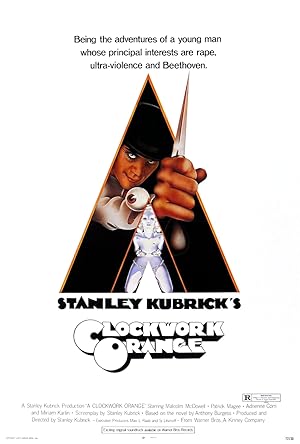
A Clockwork Orange
Kubrick's provocative adaptation

Modern Times
Chaplin's industrial critique
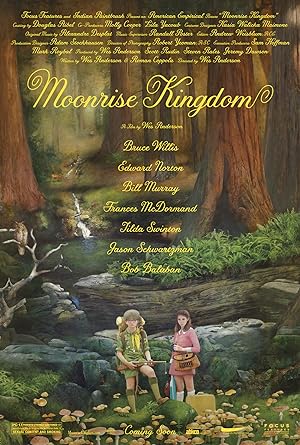
Moonrise Kingdom
Anderson's distinctive aesthetic

My Neighbor Totoro
Miyazaki's gentle vision

Nausicaä of the Valley of the Wind
Miyazaki's ecological epic
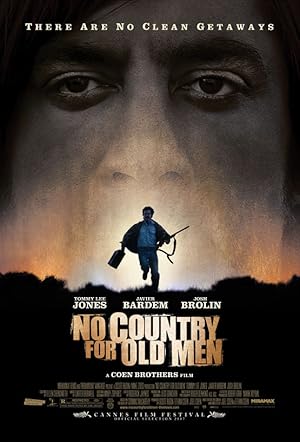
No Country for Old Men
Coen brothers' McCarthy adaptation

North by Northwest
Hitchcock's chase thriller
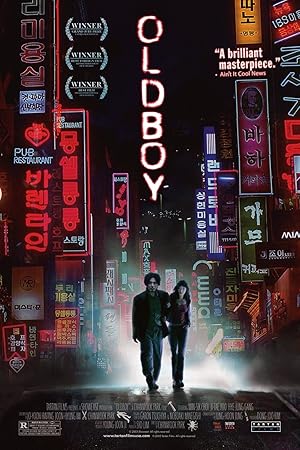
Oldboy
Park Chan-wook's visceral style

Once Upon a Time in America
Leone's epic gangster swan song

Once Upon a Time in the West
Leone's definitive western

Once Upon a Time… in Hollywood
Tarantino's nostalgic Hollywood

Oppenheimer
Nolan's biographical epic

Pan's Labyrinth
Del Toro's dark fantasy

Parasite
Bong Joon-ho's class satire

Paths of Glory
Early Kubrick antiwar film

Ponyo
Miyazaki's hand-drawn wonder

Porco Rosso
Miyazaki's aviation romance
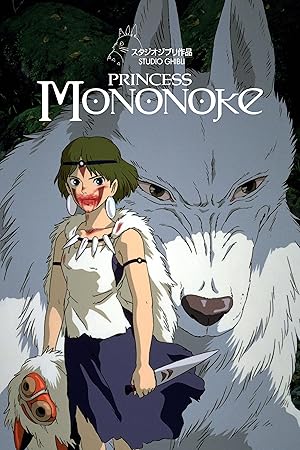
Princess Mononoke
Miyazaki's ecological epic

Psycho
Hitchcock's shocking turn
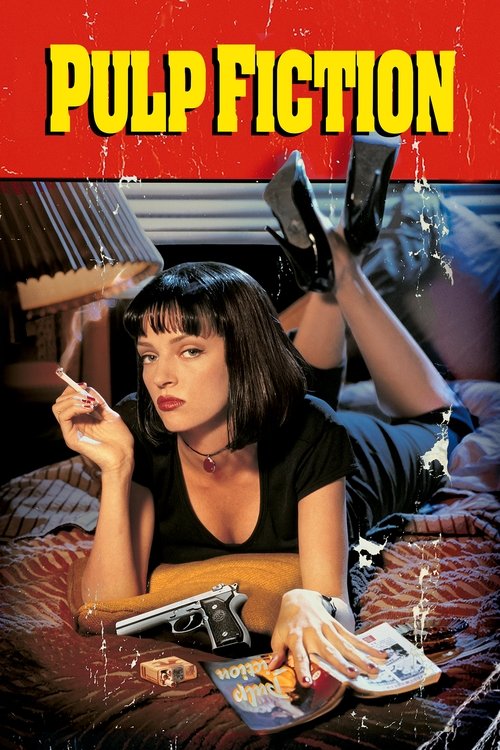
Pulp Fiction
Tarantino's defining work

Raging Bull
Scorsese's character study

Raiders of the Lost Ark
Spielberg/Lucas serial homage

Ran
Kurosawa's King Lear

Rear Window
Hitchcock's voyeurism study

Requiem for a Dream
Aronofsky's visceral style

Reservoir Dogs
Tarantino's debut

Rope
Hitchcock's long-take experiment

Rushmore
Anderson finds his voice

Schindler's List
Spielberg's most serious work

Scott Pilgrim vs. the World
Wright's visual maximalism

Se7en
Fincher's signature darkness

Seven Samurai
Kurosawa's epic vision

Spirited Away
Miyazaki's masterpiece

Strangers on a Train
Hitchcock's doppelganger thriller
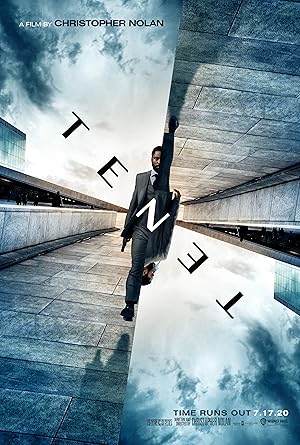
Tenet
Nolan's temporal puzzle

The Apartment
Wilder's dark comedy

The Big Lebowski
Coen brothers' cult classic

The Birds
Hitchcock's apocalyptic horror

The Boy and the Heron
Miyazaki's late masterwork

The Bridge on the River Kwai
Lean's epic vision

The Darjeeling Limited
Anderson's spiritual journey
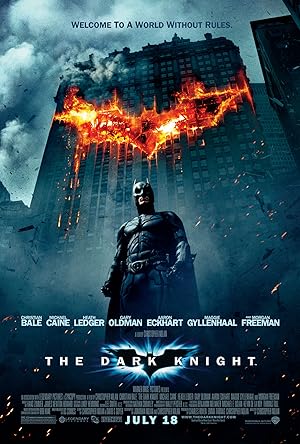
The Dark Knight
Nolan's definitive superhero film

The Elephant Man
Lynch's humanist drama

The Fabelmans
Spielberg's autobiographical film

The French Dispatch
Peak Anderson formalism

The Godfather
Coppola's personal vision

The Godfather Part II
Parallel narrative innovation
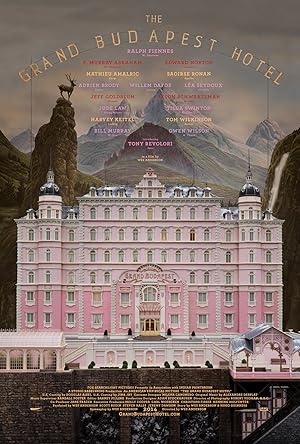
The Grand Budapest Hotel
Peak Anderson aesthetic

The Great Dictator
Chaplin's political statement
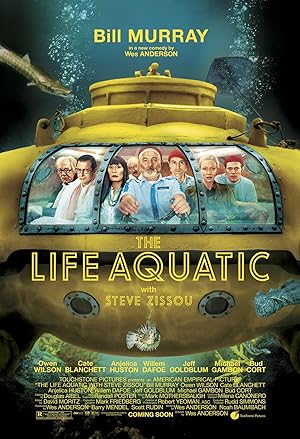
The Life Aquatic with Steve Zissou
Anderson's Cousteau homage

The Lord of the Rings: The Fellowship of the Ring
Jackson's epic vision

The Lord of the Rings: The Return of the King
Jackson's epic trilogy

The Lord of the Rings: The Two Towers
Jackson's epic continuation

The Prestige
Nolan's obsession theme

The Royal Tenenbaums
Anderson's breakout

The Shining
Kubrick's horror masterwork

The Squid and the Whale
Baumbach's autobiographical debut

The Wind Rises
Miyazaki's biographical drama
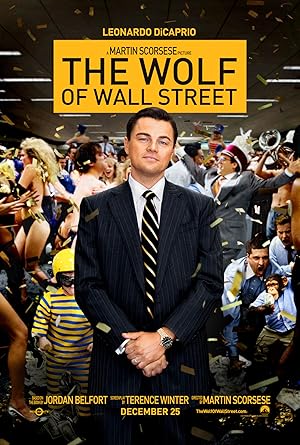
The Wolf of Wall Street
Scorsese's excess critique
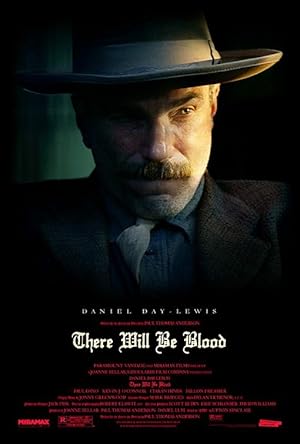
There Will Be Blood
PTA's American epic

Trainspotting
Boyle's kinetic style

Unforgiven
Eastwood's Western deconstruction

Vertigo
Hitchcock's masterpiece

Whiplash
Chazelle's breakthrough

A.I. Artificial Intelligence
Spielberg completing Kubrick's vision

Anomalisa
Kaufman's singular vision

Asteroid City
Peak Anderson visual style
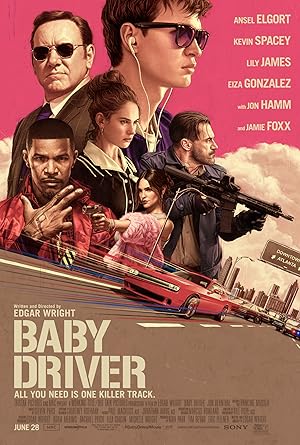
Baby Driver
Wright's musical visual style

Barry Lyndon
Kubrick's painterly perfectionism

Barton Fink
Coen brothers' distinctive vision

Being John Malkovich
Kaufman/Jonze distinctive vision

Blade Runner
Ridley Scott's visual worldbuilding

Bottle Rocket
Anderson's debut; seeds of his style

Casino
Scorsese's mob trilogy culmination

Citizen Kane
Welles as total filmmaker
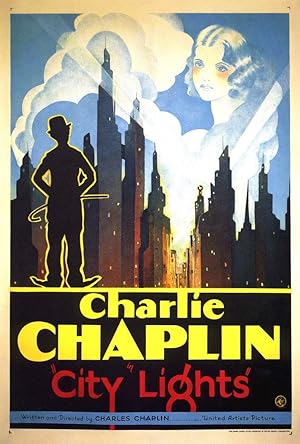
City Lights
Chaplin's artistic control

Death Proof
Tarantino's grindhouse homage

Dial M for Murder
Hitchcock's theatrical suspense
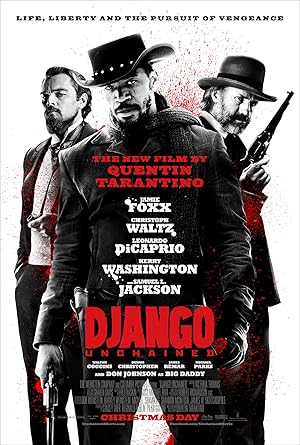
Django Unchained
Tarantino's revisionist history

Dr. Strangelove or: How I Learned to Stop Worrying and Love the Bomb
Kubrick's dark satire

Dune: Part Two
Villeneuve completes his vision

Dunkirk
Nolan's formal experimentation

E.T. the Extra-Terrestrial
Spielberg's personal suburbia
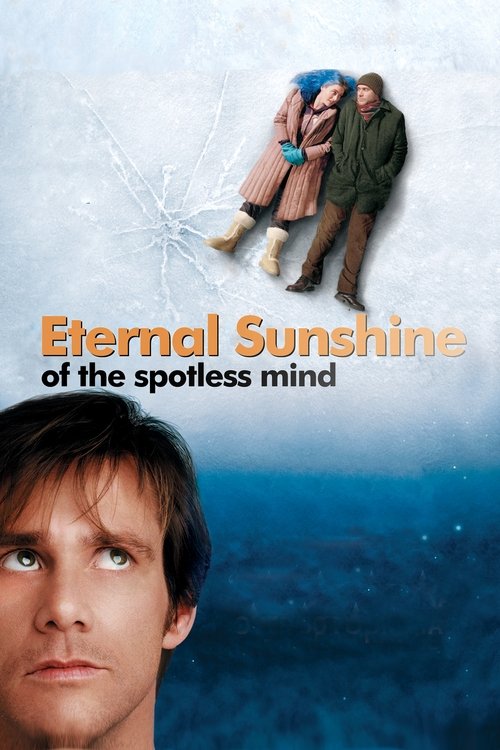
Eternal Sunshine of the Spotless Mind
Kaufman/Gondry collaboration

Fantastic Mr. Fox
Anderson's stop-motion style

Fargo
Coen brothers' regional specificity

For a Few Dollars More
Leone's spaghetti western style

Full Metal Jacket
Kubrick's war film
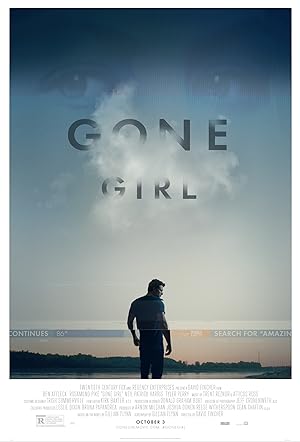
Gone Girl
Fincher's cold precision

Goodfellas
Scorsese's defining gangster film

Harakiri
Kobayashi's samurai critique

Heat
Mann's procedural precision

Howl's Moving Castle
Miyazaki's visual imagination

I'm Thinking of Ending Things
Kaufman's identity dissolution
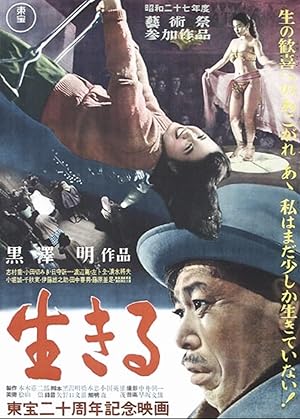
Ikiru
Kurosawa's humanist masterpiece
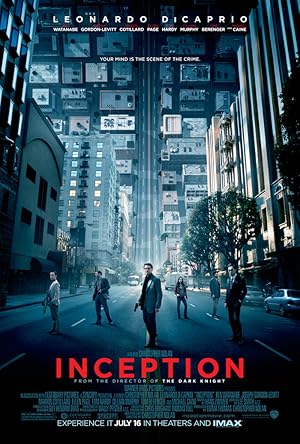
Inception
Nolan's puzzle-box construction

Inglourious Basterds
Tarantino's revisionist WWII
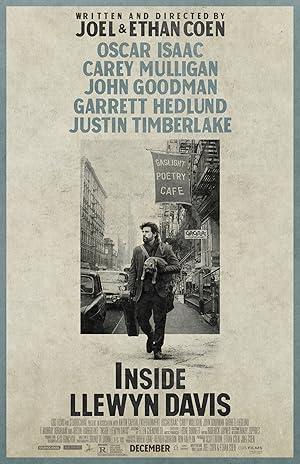
Inside Llewyn Davis
Coen brothers' artist portrait

Interstellar
Nolan's cosmic ambition

Isle of Dogs
Anderson's stop-motion style

Jackie Brown
Tarantino's most mature work

Kiki's Delivery Service
Miyazaki's gentle coming-of-age

Kill Bill: Vol. 1
Tarantino's genre synthesis

Kill Bill: Vol. 2
Tarantino's genre meditation

Lady Bird
Gerwig's directorial debut
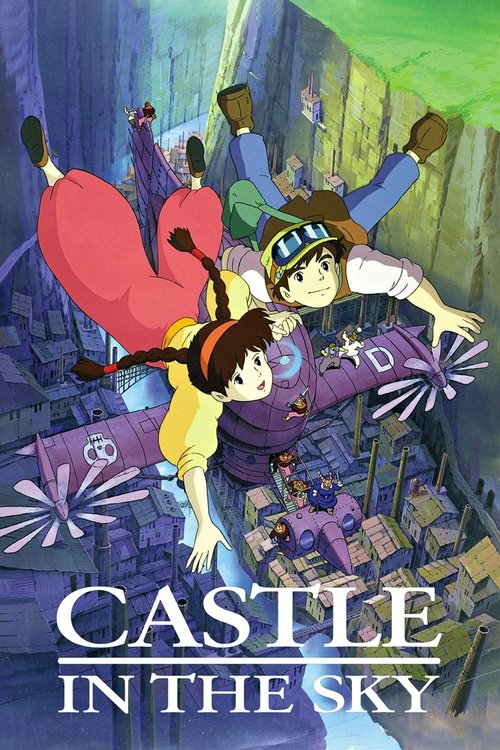
Laputa: Castle in the Sky
Miyazaki's adventure vision

Lawrence of Arabia
Lean's epic vision

M
Lang's visual innovation

Mad Max: Fury Road
Miller's sustained vision
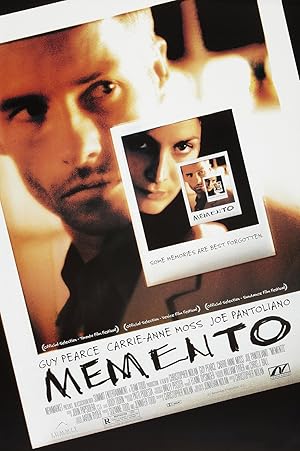
Memento
Nolan's breakthrough

Memories of Murder
Bong Joon-ho's breakthrough

Metropolis
Fritz Lang's visual epic
Secondary Influences(63)

A Serious Man
Distinctive Coen sensibility

Ready Player One
Spielberg's pop culture nostalgia

Always
Spielberg's romantic sensibility

Amadeus
Forman's examination of genius and mediocrity

Amistad
Spielberg's historical conscience

Last Night in Soho
Wright's horror pastiche

The Pianist
Polanski's personal Holocaust film

Léon: The Professional
Besson's stylized violence

Lincoln
Spielberg's historical drama

Little Women
Gerwig's structural innovation

Batman Begins
Nolan's grounded approach
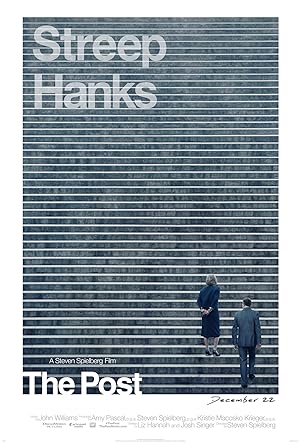
The Post
Spielberg's journalism drama
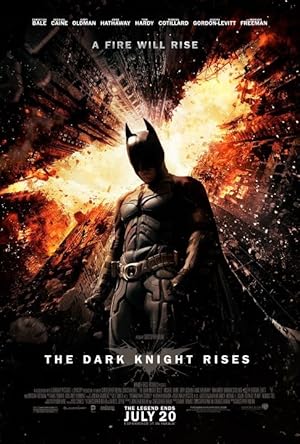
The Dark Knight Rises
Nolan's trilogy conclusion

Marriage Story
Baumbach's personal drama
Bridge of Spies
Spielberg/Coen collaboration

Burn After Reading
Coen brothers' dark comedy
The Departed
Scorsese's crime thriller
Catch Me If You Can
Spielberg's lighter touch
While We're Young
Baumbach's midlife comedy

Saving Private Ryan
Spielberg's WWII epic
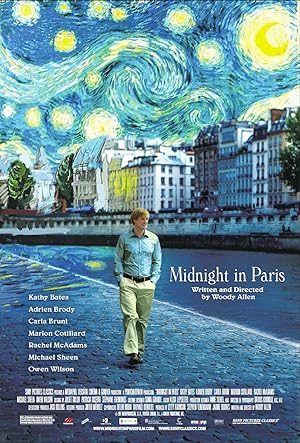
Midnight in Paris
Allen's romantic nostalgia
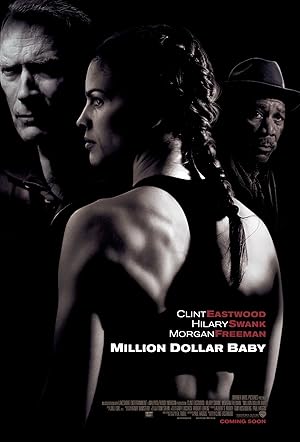
Million Dollar Baby
Eastwood's tragic vision

Minority Report
Spielberg's dark sci-fi

Double Indemnity
Wilder's cynical vision

Scarface
De Palma's excess
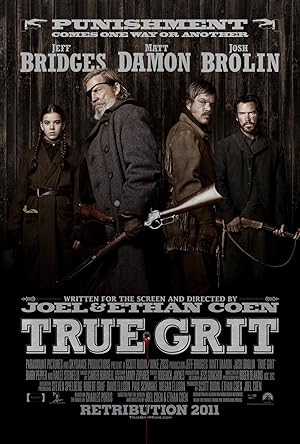
True Grit
Coen brothers' Western

Mr. Smith Goes to Washington
Capra's populist vision
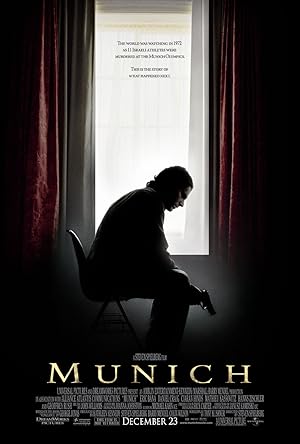
Munich
Spielberg's moral complexity

Empire of the Sun
Spielberg's Ballard adaptation

Witness for the Prosecution
Wilder's courtroom drama

White Noise
Baumbach's DeLillo adaptation

The Sugarland Express
Spielberg's feature debut

Fight Club
Fincher's subversive style

Shaun of the Dead
Wright's Cornetto trilogy

From Up on Poppy Hill
Ghibli/Miyazaki tradition

Shutter Island
Scorsese's psychological thriller

Snatch
Guy Ritchie's kinetic style

Some Like It Hot
Wilder's comic masterpiece
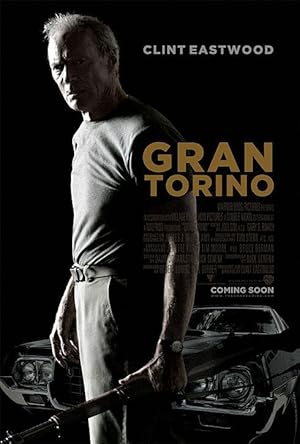
Gran Torino
Eastwood's late-career reflection

The Terminator
Cameron's breakthrough

Star Wars: Episode IV - A New Hope
Lucas's mythic synthesis
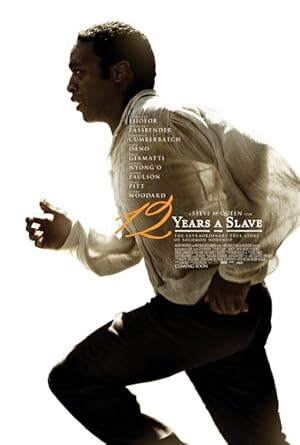
12 Years a Slave
McQueen's unflinching visual style

Hook
Spielberg's Peter Pan

Hot Fuzz
Wright's Cornetto trilogy

Star Wars: Episode V - The Empire Strikes Back
Kershner elevating Lucas's vision

The Thing
Carpenter's paranoid horror
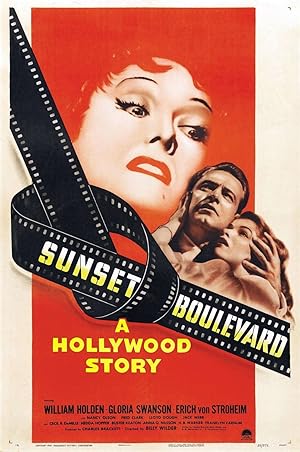
Sunset Boulevard
Wilder's Hollywood critique

Incendies
Villeneuve's breakthrough

The Hudsucker Proxy
Coen brothers' Capra homage

Indiana Jones and the Last Crusade
Spielberg's serial adventure

Indiana Jones and the Temple of Doom
Spielberg's darker adventure

Terminator 2: Judgment Day
Cameron's action perfection
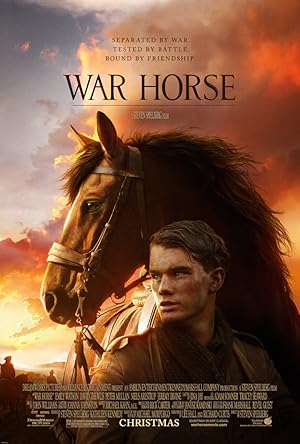
War Horse
Spielberg's classical style

Insomnia
Nolan's early thriller
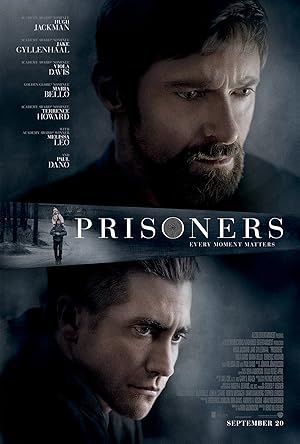
Prisoners
Villeneuve's American debut

War of the Worlds
Spielberg's dark spectacle
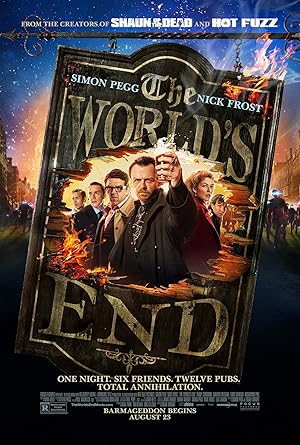
The World's End
Wright's Cornetto finale

Jaws
Young Spielberg's breakthrough
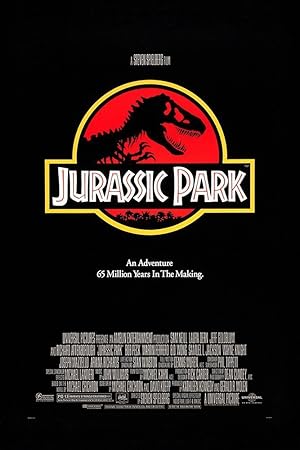
Jurassic Park
Spielberg's technical mastery

West Side Story
Spielberg's musical

The Meyerowitz Stories (New and Selected)
Baumbach's family drama

The Color Purple
Spielberg's literary adaptation
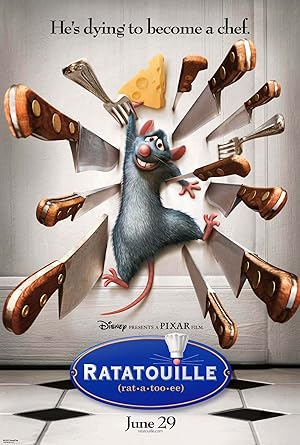
Ratatouille
Bird's artist manifesto