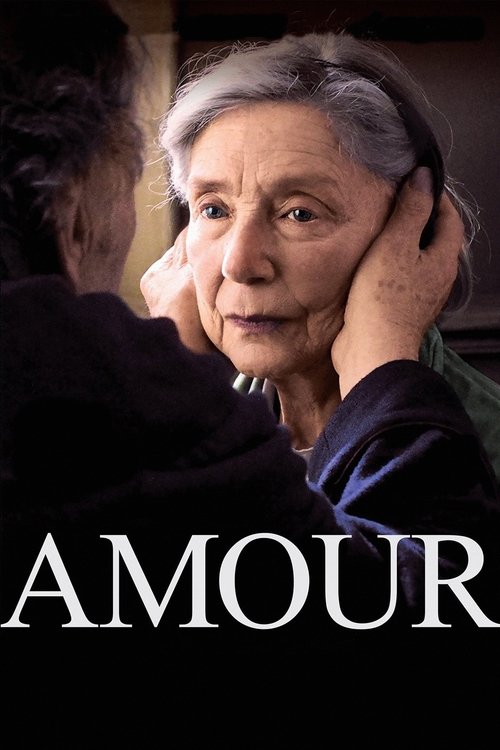
Amour
Georges and Anne are in their eighties. They are cultivated, retired music teachers. Their daughter, who is also a musician, lives abroad with her family. One day, Anne has a stroke, and the couple's bond of love is severely tested.
Despite its small-scale budget of $8.9M, Amour became a box office success, earning $29.8M worldwide—a 235% return. The film's unconventional structure attracted moviegoers, showing that strong storytelling can transcend budget limitations.
1 Oscar. 84 wins & 111 nominations


Plot Structure
Story beats plotted across runtime


Narrative Arc
Emotional journey through the story's key moments
Story Circle
Blueprint 15-beat structure
Arcplot Score Breakdown
Weighted: Precision (70%) + Arc (15%) + Theme (15%)
Amour (2012) exemplifies deliberately positioned dramatic framework, characteristic of Michael Haneke's storytelling approach. This structural analysis examines how the film's 15-point plot structure maps to proven narrative frameworks across 2 hours and 7 minutes. With an Arcplot score of 7.0, the film balances conventional beats with creative variation.
Characters
Cast & narrative archetypes

Georges
Anne
Eva
Main Cast & Characters
Georges
Played by Jean-Louis Trintignant
An elderly retired music teacher who cares for his wife after she suffers a stroke, watching her gradual decline with devotion and anguish.
Anne
Played by Emmanuelle Riva
A former piano teacher who suffers strokes that progressively rob her of mobility and dignity, determined to face death on her own terms.
Eva
Played by Isabelle Huppert
The daughter of Georges and Anne who struggles to accept her mother's decline and feels increasingly shut out by her father's choices.
Structural Analysis
The Status Quo at 1 minutes (1% through the runtime) establishes Georges and Anne return home from a concert, discussing the performance. Their elegant Parisian apartment and cultured conversation establish them as educated, refined elderly couple living a quiet but fulfilled life together.. Significantly, this early placement immediately immerses viewers in the story world.
The inciting incident occurs at 15 minutes when Anne returns from surgery on her carotid artery partially paralyzed on her right side, in a wheelchair. The operation was unsuccessful. Their life as independent, autonomous individuals is over. Anne makes Georges promise never to take her back to the hospital.. At 11% through the film, this Disruption aligns precisely with traditional story structure. This beat shifts the emotional landscape, launching the protagonist into the central conflict.
The First Threshold at 31 minutes marks the transition into Act II, occurring at 25% of the runtime. This indicates the protagonist's commitment to After the nurse slaps Anne in the bathroom, Georges fires her and makes the active choice to become Anne's sole caregiver. He crosses into a new world where he is no longer a husband but a full-time nurse, and their relationship fundamentally transforms., moving from reaction to action.
At 65 minutes, the Midpoint arrives at 51% of the runtime—precisely centered, creating perfect narrative symmetry. Structural examination shows that this crucial beat Anne suffers a second stroke. She becomes largely non-verbal, increasingly disconnected from reality. The stakes are raised—Georges can no longer communicate with her as before. The person he knew is disappearing, yet the body remains, suffering., fundamentally raising what's at risk. The emotional intensity shifts, dividing the narrative into clear before-and-after phases.
The Collapse moment at 94 minutes (74% through) represents the emotional nadir. Here, Anne refuses to eat or drink, moaning in pain. Georges tries to force-feed her, and she bites him, then spits the water at him. This is the whiff of death—the Anne he loved is truly gone. What remains is only suffering. His desperation and helplessness reach their nadir., reveals the protagonist at their lowest point. This beat's placement in the final quarter sets up the climactic reversal.
The Second Threshold at 100 minutes initiates the final act resolution at 79% of the runtime. Georges makes his decision. He tells Anne a story from his childhood, a gentle memory. He covers her face with a pillow and suffocates her. This is an act of love and mercy—he synthesizes his promise (never abandon her to hospitals) with his devotion (end her suffering). Transformation through transgression., demonstrating the transformation achieved throughout the journey.
Emotional Journey
Amour's emotional architecture traces a deliberate progression across 15 carefully calibrated beats.
Narrative Framework
This structural analysis employs a 15-point narrative structure framework that maps key story moments. By mapping Amour against these established plot points, we can identify how Michael Haneke utilizes or subverts traditional narrative conventions. The plot point approach reveals not only adherence to structural principles but also creative choices that distinguish Amour within the drama genre.
Michael Haneke's Structural Approach
Among the 4 Michael Haneke films analyzed on Arcplot, the average structural score is 6.9, demonstrating varied approaches to story architecture. Amour represents one of the director's most structurally precise works. For comparative analysis, explore the complete Michael Haneke filmography.
Comparative Analysis
Additional drama films include After Thomas, South Pacific and Dirty Dancing: Havana Nights. For more Michael Haneke analyses, see The White Ribbon, The Piano Teacher and Funny Games.
Plot Points by Act
Act I
SetupStatus Quo
Georges and Anne return home from a concert, discussing the performance. Their elegant Parisian apartment and cultured conversation establish them as educated, refined elderly couple living a quiet but fulfilled life together.
Theme
Anne sits frozen at the breakfast table, completely unresponsive for several minutes. When she "returns," she has no memory of the episode. Georges asks if she wants to see a doctor. The theme is stated silently: love means bearing witness to decline.
Worldbuilding
We see their morning routines, their mutual respect, their shared love of music. Anne undergoes tests. They receive a former student (Alexandre). The apartment becomes a character—its books, piano, and art reflect decades of shared intellectual life.
Disruption
Anne returns from surgery on her carotid artery partially paralyzed on her right side, in a wheelchair. The operation was unsuccessful. Their life as independent, autonomous individuals is over. Anne makes Georges promise never to take her back to the hospital.
Resistance
Georges struggles to accept the new reality. He hires nurses, tries to maintain normalcy. Anne resists help, insists on dignity. Their daughter Eva visits, offers opinions but no real help. Georges debates what his promise means—can he keep Anne at home as she deteriorates?
Act II
ConfrontationFirst Threshold
After the nurse slaps Anne in the bathroom, Georges fires her and makes the active choice to become Anne's sole caregiver. He crosses into a new world where he is no longer a husband but a full-time nurse, and their relationship fundamentally transforms.
Mirror World
Eva confronts Georges about whether Anne is receiving adequate care, suggesting a nursing home. She represents the external world's rational perspective, but cannot understand the depth of commitment that binds Georges and Anne. The conversation reveals the isolation of their devotion.
Premise
Georges cares for Anne through daily routines—feeding, bathing, exercises. He reads to her, plays music. There are small moments of connection and grace. Anne deteriorates gradually but they maintain their bond. This is the "premise" of the film—an intimate portrait of caregiving as an act of love.
Midpoint
Anne suffers a second stroke. She becomes largely non-verbal, increasingly disconnected from reality. The stakes are raised—Georges can no longer communicate with her as before. The person he knew is disappearing, yet the body remains, suffering.
Opposition
Anne's condition worsens. She screams, refuses food, becomes incontinent. Georges's exhaustion deepens. Eva returns, pressures him again. A new nurse comes. The outside world (neighbors, Eva, medical professionals) represents opposition to Georges's solitary commitment. Anne's suffering intensifies.
Collapse
Anne refuses to eat or drink, moaning in pain. Georges tries to force-feed her, and she bites him, then spits the water at him. This is the whiff of death—the Anne he loved is truly gone. What remains is only suffering. His desperation and helplessness reach their nadir.
Crisis
Georges sits in darkness, contemplating. He looks at Anne's unresponsive, suffering form. He looks at family photos—who they were. The dark night of the soul: he must decide whether love means prolonging life or ending suffering. The film quietly shows his internal process.
Act III
ResolutionSecond Threshold
Georges makes his decision. He tells Anne a story from his childhood, a gentle memory. He covers her face with a pillow and suffocates her. This is an act of love and mercy—he synthesizes his promise (never abandon her to hospitals) with his devotion (end her suffering). Transformation through transgression.
Synthesis
Georges tenderly washes Anne's body, dresses her in her favorite dress, arranges flowers around her. He seals off the apartment, writes a letter to Eva. He cleans methodically. In a dream sequence, Anne appears healthy and they prepare to leave together. The finale is ritual, completion, preparation for his own end.
Transformation
The apartment is empty. Eva explores the vacant rooms. Georges is gone (implied death or departure). The closing image mirrors the opening—the elegant apartment—but now it is silent, emptied of life. Love endured to the very end, beyond the end. Transformation complete: from life to death, together.