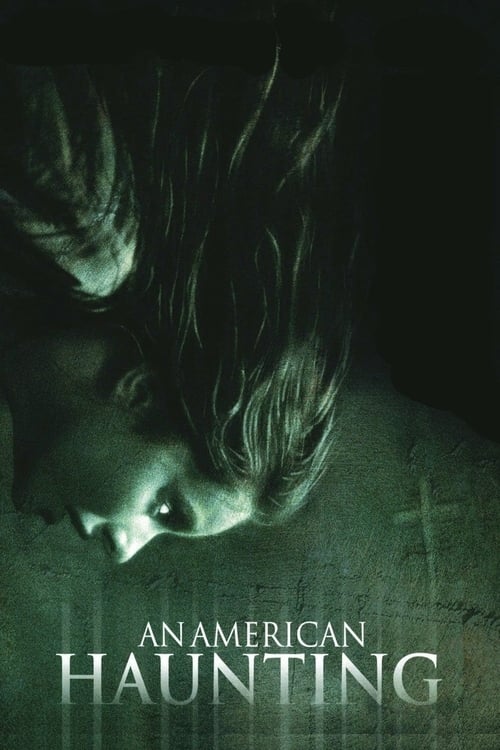
An American Haunting
An invisible entity haunts a 19th century family, and family secrets soon begin to surface. Based on the true events of the only case in US History where a spirit caused the death of a man.
Despite its small-scale budget of $14.0M, An American Haunting became a commercial success, earning $29.6M worldwide—a 112% return.


Plot Structure
Story beats plotted across runtime


Narrative Arc
Emotional journey through the story's key moments
Story Circle
Blueprint 15-beat structure
Arcplot Score Breakdown
Weighted: Precision (70%) + Arc (15%) + Theme (15%)
An American Haunting (2005) demonstrates precise dramatic framework, characteristic of Courtney Solomon's storytelling approach. This structural analysis examines how the film's 15-point plot structure maps to proven narrative frameworks across 1 hour and 23 minutes. With an Arcplot score of 7.2, the film balances conventional beats with creative variation.
Characters
Cast & narrative archetypes

Betsy Bell
Richard Bell
Lucy Bell
Richard Powell
Kate Batts
Main Cast & Characters
Betsy Bell
Played by Rachel Hurd-Wood
The teenage daughter of the Bell family who becomes the primary target of supernatural torment and abuse.
Richard Bell
Played by Donald Sutherland
The strict patriarch of the Bell family whose dark secret may be the source of the haunting.
Lucy Bell
Played by Sissy Spacek
Betsy's mother who struggles to protect her daughter while maintaining faith and family unity.
Richard Powell
Played by James D'Arcy
Betsy's older teacher and suitor who investigates the haunting with rationalism and concern.
Kate Batts
Played by Gaye Brown
The local woman accused of witchcraft who places a curse on the Bell family.
Structural Analysis
The Status Quo at 1 minutes (1% through the runtime) establishes Modern-day Tennessee: a mother reads an old letter to her troubled daughter who experiences nightmares and sleep disturbances, establishing the frame story before transitioning to 1817 Red River, Tennessee where the Bell family lives peacefully on their prosperous farm.. Significantly, this early placement immediately immerses viewers in the story world.
The inciting incident occurs at 10 minutes when Kate Batts publicly curses John Bell and his family after the church finds him guilty but only orders restitution, declaring "You will be punished" and specifically targeting Betsy, unleashing what will become the Bell Witch haunting.. At 13% through the film, this Disruption is delayed, allowing extended setup of the story world. This beat shifts the emotional landscape, launching the protagonist into the central conflict.
The First Threshold at 21 minutes marks the transition into Act II, occurring at 25% of the runtime. This indicates the protagonist's commitment to The family acknowledges the presence of a malevolent spirit after escalating violent attacks on Betsy become undeniable. John Bell decides they must actively fight the entity rather than ignore it, bringing in the community and church elders to witness and help combat the witch., moving from reaction to action.
At 42 minutes, the Midpoint arrives at 51% of the runtime—precisely centered, creating perfect narrative symmetry. Notably, this crucial beat The entity reveals itself as the spirit of Kate Batts and declares its intention to kill John Bell, raising the stakes from torment to murder. Betsy is violently assaulted in increasingly disturbing ways, and the family realizes they cannot escape or defeat the witch through conventional means., fundamentally raising what's at risk. The emotional intensity shifts, dividing the narrative into clear before-and-after phases.
The Collapse moment at 63 minutes (76% through) represents the emotional nadir. Here, John Bell dies after being poisoned by the witch, fulfilling Kate Batts' curse. The entity celebrates at his deathbed while the family watches helplessly. This represents the complete victory of the supernatural evil and the death of patriarchal protection., reveals the protagonist at their lowest point. This beat's placement in the final quarter sets up the climactic reversal.
The Second Threshold at 67 minutes initiates the final act resolution at 80% of the runtime. The truth is revealed: John Bell had been sexually abusing Betsy, and the "witch" was actually a manifestation of Betsy's traumatized psyche, her rage and powerlessness given supernatural form. The curse was not Kate Batts' supernatural revenge but Betsy's psychological self-defense., demonstrating the transformation achieved throughout the journey.
Emotional Journey
An American Haunting's emotional architecture traces a deliberate progression across 15 carefully calibrated beats.
Narrative Framework
This structural analysis employs a 15-point narrative structure framework that maps key story moments. By mapping An American Haunting against these established plot points, we can identify how Courtney Solomon utilizes or subverts traditional narrative conventions. The plot point approach reveals not only adherence to structural principles but also creative choices that distinguish An American Haunting within the horror genre.
Courtney Solomon's Structural Approach
Among the 3 Courtney Solomon films analyzed on Arcplot, the average structural score is 7.0, reflecting strong command of classical structure. An American Haunting represents one of the director's most structurally precise works. For comparative analysis, explore the complete Courtney Solomon filmography.
Comparative Analysis
Additional horror films include Thinner, A Nightmare on Elm Street and Mary Reilly. For more Courtney Solomon analyses, see Getaway, Dungeons & Dragons.
Plot Points by Act
Act I
SetupStatus Quo
Modern-day Tennessee: a mother reads an old letter to her troubled daughter who experiences nightmares and sleep disturbances, establishing the frame story before transitioning to 1817 Red River, Tennessee where the Bell family lives peacefully on their prosperous farm.
Theme
Kate Bell warns Betsy about the dangers of secrets and hidden sins when discussing the upcoming church trial, foreshadowing how buried guilt manifests as supernatural terror: "Secrets have a way of making themselves known."
Worldbuilding
Introduction to the Bell family in 1817 Tennessee: patriarch John Bell faces a church trial for usury against Kate Batts, a woman accused of witchcraft. The family dynamic is established with daughter Betsy, wife Lucy, and sons. The community's religious fervor and social structure are depicted through the church proceedings.
Disruption
Kate Batts publicly curses John Bell and his family after the church finds him guilty but only orders restitution, declaring "You will be punished" and specifically targeting Betsy, unleashing what will become the Bell Witch haunting.
Resistance
Strange phenomena begin at the Bell home: unexplained noises, Betsy experiences violent invisible attacks in her bed, objects move on their own. The family debates whether this is illness, imagination, or genuine supernatural activity. Teacher Richard Powell attempts to provide rational explanations while also courting Betsy.
Act II
ConfrontationFirst Threshold
The family acknowledges the presence of a malevolent spirit after escalating violent attacks on Betsy become undeniable. John Bell decides they must actively fight the entity rather than ignore it, bringing in the community and church elders to witness and help combat the witch.
Mirror World
Richard Powell becomes more deeply involved with the family crisis, representing both a potential romantic future for Betsy and a voice of reason. His relationship with Betsy serves as the emotional subplot that will ultimately reveal the dark truth behind the haunting.
Premise
The Bell Witch haunting intensifies with full supernatural manifestations: the entity speaks, attacks multiply, Betsy is dragged through the house and woods by invisible forces. The family tries various remedies including prayer, exorcism attempts, and community intervention. The terror escalates as the witch demonstrates increasing power over the household.
Midpoint
The entity reveals itself as the spirit of Kate Batts and declares its intention to kill John Bell, raising the stakes from torment to murder. Betsy is violently assaulted in increasingly disturbing ways, and the family realizes they cannot escape or defeat the witch through conventional means.
Opposition
John Bell's health deteriorates under the witch's attacks. The community grows fearful and some blame the Bells. Betsy suffers severe psychological and physical trauma. Attempts to marry Betsy to Richard Powell are thwarted by the entity. The haunting spreads beyond the house, showing the witch's growing power and the family's increasing helplessness.
Collapse
John Bell dies after being poisoned by the witch, fulfilling Kate Batts' curse. The entity celebrates at his deathbed while the family watches helplessly. This represents the complete victory of the supernatural evil and the death of patriarchal protection.
Crisis
In the aftermath of John's death, the family grieves and processes the trauma. Betsy remains tormented by nightmares and visions. The dark revelation begins to surface about the true nature of the haunting as Betsy's repressed memories start to emerge.
Act III
ResolutionSecond Threshold
The truth is revealed: John Bell had been sexually abusing Betsy, and the "witch" was actually a manifestation of Betsy's traumatized psyche, her rage and powerlessness given supernatural form. The curse was not Kate Batts' supernatural revenge but Betsy's psychological self-defense.
Synthesis
The story resolves as the psychological truth reframes everything we've witnessed. Betsy is freed from both her abuser and the supernatural manifestation of her trauma. The frame story reveals the modern mother is a Bell descendant who recognizes the cycle repeating in her own daughter and breaks the silence.
Transformation
The modern mother comforts her daughter, breaking the generational curse of silence about abuse. Unlike the 1817 story where the truth remained hidden as a "ghost story," the contemporary resolution shows healing through acknowledgment, transforming trauma into protection and understanding.