Getaway
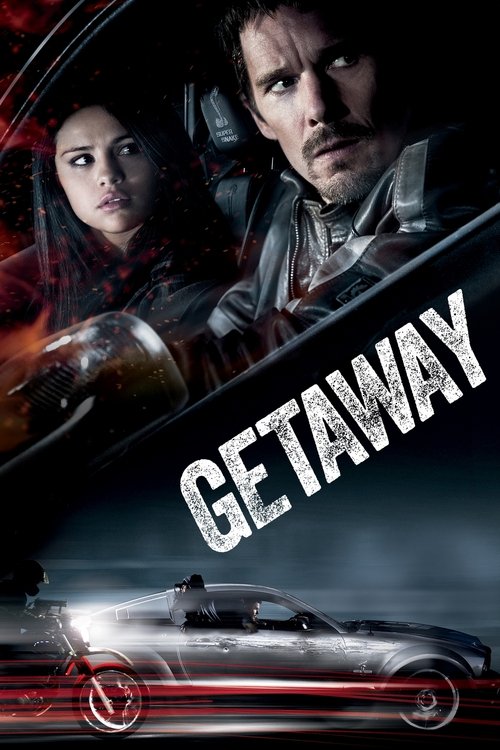
Former race car driver Brent Magna is pitted against the clock. Desperately trying to save the life of his kidnapped wife, Brent commandeers a custom Ford Shelby GT500 Super Snake, taking it and its unwitting owner on a high-speed race against time, at the command of the mysterious villain holding his wife hostage.
The film disappointed at the box office against its moderate budget of $18.0M, earning $10.5M globally (-42% loss). While initial box office returns were modest, the film has gained appreciation for its fresh perspective within the action genre.


Plot Structure
Story beats plotted across runtime


Narrative Arc
Emotional journey through the story's key moments
Story Circle
Blueprint 15-beat structure
Arcplot Score Breakdown
Weighted: Precision (70%) + Arc (15%) + Theme (15%)
Getaway (2013) demonstrates strategically placed narrative architecture, characteristic of Courtney Solomon's storytelling approach. This structural analysis examines how the film's 15-point plot structure maps to proven narrative frameworks across 1 hour and 30 minutes. With an Arcplot score of 6.4, the film takes an unconventional approach to traditional narrative frameworks.
Characters
Cast & narrative archetypes

Brent Magna
The Kid
The Voice
Main Cast & Characters
Brent Magna
Played by Ethan Hawke
A former race car driver forced to follow mysterious commands to save his kidnapped wife
The Kid
Played by Selena Gomez
A young tech-savvy car owner who becomes an unwilling accomplice in Brent's mission
The Voice
Played by Jon Voight
A mysterious criminal mastermind who communicates only through phone calls
Structural Analysis
The Status Quo at 1 minutes (1% through the runtime) establishes Brent Magna wakes in a stolen custom Shelby Mustang, receiving a phone call from a mysterious voice who has kidnapped his wife and forces him to drive.. Notably, this early placement immediately immerses viewers in the story world.
The inciting incident occurs at 10 minutes when A young woman (the Kid) with a gun hijacks Brent's car, complicating his mission. The Voice orders him to keep her in the car or his wife dies.. At 11% through the film, this Disruption aligns precisely with traditional story structure. This beat shifts the emotional landscape, launching the protagonist into the central conflict.
The First Threshold at 22 minutes marks the transition into Act II, occurring at 25% of the runtime. This reveals the protagonist's commitment to Brent actively chooses to fully commit to the Voice's deadly game, destroying a city tram and accepting he must become a criminal to save his wife., moving from reaction to action.
At 44 minutes, the Midpoint arrives at 49% of the runtime—precisely centered, creating perfect narrative symmetry. The analysis reveals that this crucial beat The Voice reveals he has video of Brent's wife beaten and terrified. Stakes raised: Brent realizes the Voice is willing to torture and kill. False defeat: the situation is worse than he thought., fundamentally raising what's at risk. The emotional intensity shifts, dividing the narrative into clear before-and-after phases.
The Collapse moment at 66 minutes (73% through) represents the emotional nadir. Here, The Kid is shot during a confrontation. Brent crashes the car spectacularly and is captured by police. All seems lost: his partner wounded, his car destroyed, his wife still captive., illustrates the protagonist at their lowest point. This beat's placement in the final quarter sets up the climactic reversal.
The Second Threshold at 72 minutes initiates the final act resolution at 80% of the runtime. The Kid recovers and uses her hacking skills to trace the Voice's location. New information emerges: they discover where the Voice is holding Leanne. Brent synthesizes his driving skills with the Kid's tech knowledge for final assault., demonstrating the transformation achieved throughout the journey.
Emotional Journey
Getaway's emotional architecture traces a deliberate progression across 15 carefully calibrated beats.
Narrative Framework
This structural analysis employs systematic plot point analysis that identifies crucial turning points. By mapping Getaway against these established plot points, we can identify how Courtney Solomon utilizes or subverts traditional narrative conventions. The plot point approach reveals not only adherence to structural principles but also creative choices that distinguish Getaway within the action genre.
Courtney Solomon's Structural Approach
Among the 3 Courtney Solomon films analyzed on Arcplot, the average structural score is 7.0, reflecting strong command of classical structure. Getaway takes a more unconventional approach compared to the director's typical style. For comparative analysis, explore the complete Courtney Solomon filmography.
Comparative Analysis
Additional action films include The Bad Guys, Puss in Boots and Venom: The Last Dance. For more Courtney Solomon analyses, see Dungeons & Dragons, An American Haunting.
Plot Points by Act
Act I
SetupStatus Quo
Brent Magna wakes in a stolen custom Shelby Mustang, receiving a phone call from a mysterious voice who has kidnapped his wife and forces him to drive.
Theme
The Voice tells Brent: "You do exactly what I say, when I say it, or your wife dies." Theme: control versus autonomy, and what one will sacrifice for love.
Worldbuilding
Brent follows increasingly dangerous instructions through Sofia's streets, learning the Voice monitors him through cameras and phone. Flashbacks reveal Brent was a race car driver whose wife Leanne was abducted from their home.
Disruption
A young woman (the Kid) with a gun hijacks Brent's car, complicating his mission. The Voice orders him to keep her in the car or his wife dies.
Resistance
Brent and the Kid engage in tense debate as they evade police. She reveals she's a hacker trying to steal the car. They navigate escalating tasks from the Voice while forming an uneasy alliance.
Act II
ConfrontationFirst Threshold
Brent actively chooses to fully commit to the Voice's deadly game, destroying a city tram and accepting he must become a criminal to save his wife.
Mirror World
The Kid and Brent bond over their desperation. She agrees to help him using her tech skills, becoming his partner rather than hostage, representing the trust he must learn.
Premise
High-octane car chases through Sofia as Brent and the Kid execute the Voice's commands: robbing a bank, evading police roadblocks, and destroying property. The promise of the premise: relentless vehicular action.
Midpoint
The Voice reveals he has video of Brent's wife beaten and terrified. Stakes raised: Brent realizes the Voice is willing to torture and kill. False defeat: the situation is worse than he thought.
Opposition
The police close in with roadblocks and helicopters. The Kid discovers the Voice is using them to eliminate business rivals. Brent's driving skills are tested to the limit as opposition intensifies from all sides.
Collapse
The Kid is shot during a confrontation. Brent crashes the car spectacularly and is captured by police. All seems lost: his partner wounded, his car destroyed, his wife still captive.
Crisis
Brent is interrogated by police while the Kid is hospitalized. He wrestles with despair, believing he's failed his wife and his unwilling partner. His darkest emotional moment.
Act III
ResolutionSecond Threshold
The Kid recovers and uses her hacking skills to trace the Voice's location. New information emerges: they discover where the Voice is holding Leanne. Brent synthesizes his driving skills with the Kid's tech knowledge for final assault.
Synthesis
Brent and the Kid storm the Voice's compound. Final confrontation with the criminal mastermind. Brent uses everything he's learned, driving a car through the building to save his wife and stop the Voice.
Transformation
Brent reunites with his wife Leanne, having transformed from controlled victim to empowered hero. The Kid walks away, her skills validated. Brent has reclaimed his autonomy and saved those he loves.