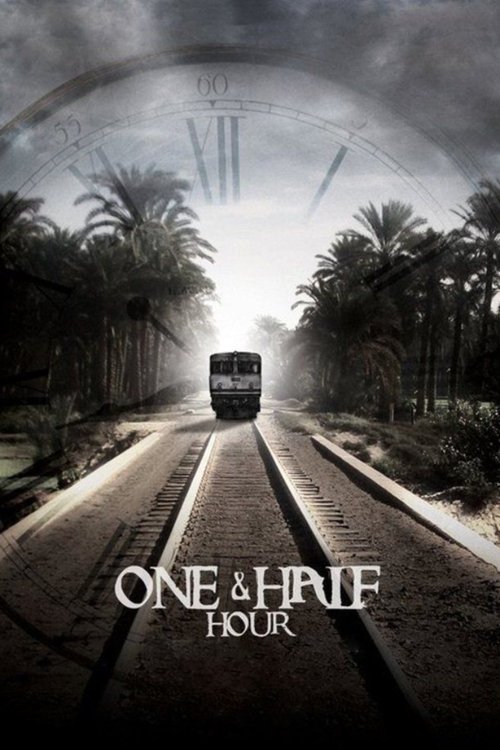
An Hour and a Half
Based on the Ayyat train accident that killed 361 in 2002, this ensemble drama delves into the intense human stories of the passengers in a third-class coach car during the hour and a half before the crash.
The film earned $8.9M at the global box office.
Plot Structure
Story beats plotted across runtime


Narrative Arc
Emotional journey through the story's key moments
Story Circle
Blueprint 15-beat structure
Arcplot Score Breakdown
Weighted: Precision (70%) + Arc (15%) + Theme (15%)
An Hour and a Half (2012) exemplifies carefully calibrated plot construction, characteristic of Wael Ehsan's storytelling approach. This structural analysis examines how the film's 15-point plot structure maps to proven narrative frameworks across 2 hours and 6 minutes. With an Arcplot score of 7.2, the film balances conventional beats with creative variation.
Structural Analysis
The Status Quo at 1 minutes (1% through the runtime) establishes Opening establishes the protagonist's ordinary world and daily routine before the central conflict begins.. The analysis reveals that this early placement immediately immerses viewers in the story world.
The inciting incident occurs at 15 minutes when Inciting incident disrupts the status quo with an external event that demands response from the protagonist.. At 12% through the film, this Disruption aligns precisely with traditional story structure. This beat shifts the emotional landscape, launching the protagonist into the central conflict.
The First Threshold at 32 minutes marks the transition into Act II, occurring at 25% of the runtime. This shows the protagonist's commitment to Protagonist makes an active choice to enter the new world, crossing the threshold into Act 2., moving from reaction to action.
At 63 minutes, the Midpoint arrives at 50% of the runtime—precisely centered, creating perfect narrative symmetry. Structural examination shows that this crucial beat False victory or false defeat raises stakes at the halfway point, changing the game for the second half., fundamentally raising what's at risk. The emotional intensity shifts, dividing the narrative into clear before-and-after phases.
The Collapse moment at 95 minutes (75% through) represents the emotional nadir. Here, All is lost moment containing a whiff of death, literal or metaphorical, representing the protagonist's darkest hour., shows the protagonist at their lowest point. This beat's placement in the final quarter sets up the climactic reversal.
The Second Threshold at 101 minutes initiates the final act resolution at 80% of the runtime. New information or synthesis enables the protagonist to see clearly and enter Act 3 with renewed purpose., demonstrating the transformation achieved throughout the journey.
Emotional Journey
An Hour and a Half's emotional architecture traces a deliberate progression across 15 carefully calibrated beats.
Narrative Framework
This structural analysis employs a 15-point narrative structure framework that maps key story moments. By mapping An Hour and a Half against these established plot points, we can identify how Wael Ehsan utilizes or subverts traditional narrative conventions. The plot point approach reveals not only adherence to structural principles but also creative choices that distinguish An Hour and a Half within the drama genre.
Comparative Analysis
Additional drama films include Eye for an Eye, South Pacific and Kiss of the Spider Woman.
Plot Points by Act
Act I
SetupStatus Quo
Opening establishes the protagonist's ordinary world and daily routine before the central conflict begins.
Theme
A supporting character introduces the thematic question through dialogue that hints at the story's deeper meaning.
Worldbuilding
Setup period establishing characters, relationships, world rules, and the protagonist's life before disruption.
Disruption
Inciting incident disrupts the status quo with an external event that demands response from the protagonist.
Resistance
Period of resistance and debate where the protagonist wrestles with the decision, often with guidance from mentors.
Act II
ConfrontationFirst Threshold
Protagonist makes an active choice to enter the new world, crossing the threshold into Act 2.
Mirror World
Introduction of the B-story relationship or subplot that will carry the thematic teaching for the protagonist.
Premise
Fun and games section where the protagonist explores the new world and the audience experiences the premise promise.
Midpoint
False victory or false defeat raises stakes at the halfway point, changing the game for the second half.
Opposition
Pressure intensifies as antagonistic forces close in and the protagonist's flaws catch up with them.
Collapse
All is lost moment containing a whiff of death, literal or metaphorical, representing the protagonist's darkest hour.
Crisis
Dark night of the soul where the protagonist processes loss before finding new resolve and clarity.
Act III
ResolutionSecond Threshold
New information or synthesis enables the protagonist to see clearly and enter Act 3 with renewed purpose.
Synthesis
Finale section where the protagonist executes their plan, confronts the antagonist, and resolves the central conflict.
Transformation
Final image mirrors the opening but shows transformation, revealing who the protagonist has become.