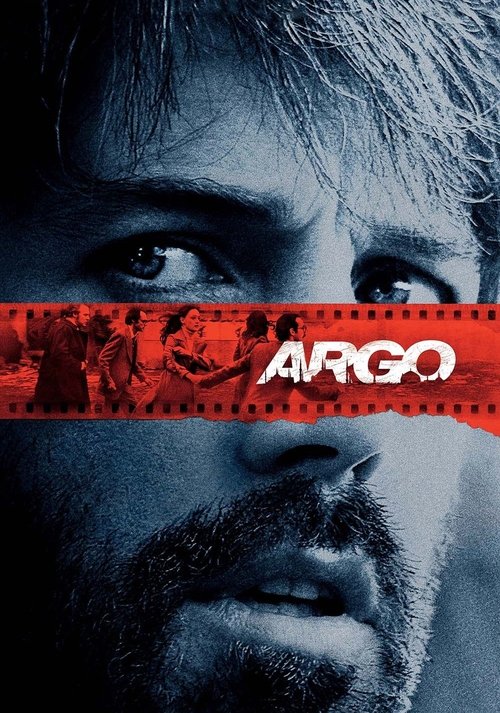
Argo
As the Iranian revolution reaches a boiling point, a CIA 'exfiltration' specialist concocts a risky plan to free six Americans who have found shelter at the home of the Canadian ambassador.
Despite a mid-range budget of $44.5M, Argo became a solid performer, earning $232.3M worldwide—a 422% return.
3 Oscars. 96 wins & 156 nominations


Plot Structure
Story beats plotted across runtime


Narrative Arc
Emotional journey through the story's key moments
Story Circle
Blueprint 15-beat structure
Arcplot Score Breakdown
Weighted: Precision (70%) + Arc (15%) + Theme (15%)
Argo (2012) exemplifies meticulously timed plot construction, characteristic of Ben Affleck's storytelling approach. This structural analysis examines how the film's 15-point plot structure maps to proven narrative frameworks across 2 hours. With an Arcplot score of 6.9, the film balances conventional beats with creative variation.
Characters
Cast & narrative archetypes

Tony Mendez
Jack O'Donnell
Lester Siegel
John Chambers
Bob Anders
Ken Taylor
Cora Lijek
Mark Lijek
Joe Stafford
Kathy Stafford
Main Cast & Characters
Tony Mendez
Played by Ben Affleck
CIA exfiltration specialist who devises the fake movie plan to rescue American hostages from Iran.
Jack O'Donnell
Played by Bryan Cranston
Tony's CIA supervisor who supports and defends the risky operation from Washington.
Lester Siegel
Played by Alan Arkin
Hollywood producer who helps create the cover story for the fake sci-fi film.
John Chambers
Played by John Goodman
Oscar-winning makeup artist and CIA collaborator who helps execute the Hollywood deception.
Bob Anders
Played by Tate Donovan
One of the six American diplomats hiding in the Canadian Ambassador's residence in Tehran.
Ken Taylor
Played by Victor Garber
Canadian Ambassador to Iran who shelters the American diplomats at great personal risk.
Cora Lijek
Played by Clea DuVall
One of the six American diplomats in hiding, married to Mark Lijek.
Mark Lijek
Played by Christopher Denham
One of the six American diplomats in hiding, married to Cora Lijek.
Joe Stafford
Played by Scoot McNairy
One of the six American diplomats in hiding, most skeptical of the rescue plan.
Kathy Stafford
Played by Kerry Bishé
One of the six American diplomats in hiding, married to Joe Stafford.
Structural Analysis
The Status Quo at 1 minutes (1% through the runtime) establishes Tony Mendez sits alone in his sparse apartment, separated from his family, living a solitary life as a CIA operative. The opening establishes his isolation and compartmentalized existence before the crisis.. Structural examination shows that this early placement immediately immerses viewers in the story world.
The inciting incident occurs at 15 minutes when Tony is brought into a meeting where the CIA reveals the six houseguests hiding in Tehran. All proposed extraction plans are immediately shot down as unworkable - lives are at stake and there are no good options.. At 13% through the film, this Disruption is delayed, allowing extended setup of the story world. This beat shifts the emotional landscape, launching the protagonist into the central conflict.
The First Threshold at 31 minutes marks the transition into Act II, occurring at 26% of the runtime. This illustrates the protagonist's commitment to Tony's plan is approved. He boards a plane to Los Angeles to set up the fake Hollywood production with Lester Siegel and John Chambers. He fully commits to the absurd mission - there's no turning back., moving from reaction to action.
At 61 minutes, the Midpoint arrives at 50% of the runtime—precisely centered, creating perfect narrative symmetry. Notably, this crucial beat Tony arrives in Tehran and meets the six houseguests. They're terrified and skeptical of the plan. False defeat: the group doubts the mission will work, and Tony realizes the stakes are real - these are people, not just an operation. The ticking clock accelerates., fundamentally raising what's at risk. The emotional intensity shifts, dividing the narrative into clear before-and-after phases.
The Collapse moment at 89 minutes (74% through) represents the emotional nadir. Here, The mission is aborted by the White House. Jack O'Donnell calls to tell Tony the operation is cancelled - abandon the plan, leave the houseguests behind. This is the whiff of death: the mission dies, and with it, likely the six Americans., reveals the protagonist at their lowest point. This beat's placement in the final quarter sets up the climactic reversal.
The Second Threshold at 95 minutes initiates the final act resolution at 79% of the runtime. Tony tells the houseguests, "We're going." Jack gets authorization restored just in time. The synthesis of Hollywood illusion and CIA tradecraft is complete - they commit to the final con at the airport. New information: they have backing again., demonstrating the transformation achieved throughout the journey.
Emotional Journey
Argo's emotional architecture traces a deliberate progression across 15 carefully calibrated beats.
Narrative Framework
This structural analysis employs systematic plot point analysis that identifies crucial turning points. By mapping Argo against these established plot points, we can identify how Ben Affleck utilizes or subverts traditional narrative conventions. The plot point approach reveals not only adherence to structural principles but also creative choices that distinguish Argo within the drama genre.
Ben Affleck's Structural Approach
Among the 4 Ben Affleck films analyzed on Arcplot, the average structural score is 7.1, reflecting strong command of classical structure. Argo takes a more unconventional approach compared to the director's typical style. For comparative analysis, explore the complete Ben Affleck filmography.
Comparative Analysis
Additional drama films include After Thomas, South Pacific and Dirty Dancing: Havana Nights. For more Ben Affleck analyses, see Air, The Town and Live by Night.
Plot Points by Act
Act I
SetupStatus Quo
Tony Mendez sits alone in his sparse apartment, separated from his family, living a solitary life as a CIA operative. The opening establishes his isolation and compartmentalized existence before the crisis.
Theme
Jack O'Donnell tells Tony, "The best bad idea we have" - establishing the film's central theme that sometimes the most outlandish lies can become the truth, and that storytelling itself is a form of power.
Worldbuilding
Historical context of the Iranian Revolution and US Embassy takeover is established through documentary-style opening. Six embassy workers escape and hide in the Canadian Ambassador's residence. The CIA realizes they need an extraction plan.
Disruption
Tony is brought into a meeting where the CIA reveals the six houseguests hiding in Tehran. All proposed extraction plans are immediately shot down as unworkable - lives are at stake and there are no good options.
Resistance
Tony struggles to find a viable plan. He watches Battle for the Planet of the Apes with his son and has his "sci-fi fantasy" epiphany. He develops the fake movie plan and must convince his superiors it can work.
Act II
ConfrontationFirst Threshold
Tony's plan is approved. He boards a plane to Los Angeles to set up the fake Hollywood production with Lester Siegel and John Chambers. He fully commits to the absurd mission - there's no turning back.
Mirror World
Tony enters Hollywood and meets with makeup artist John Chambers and producer Lester Siegel. This world of fiction and make-believe becomes the mirror to the CIA's world of deception - both traffic in illusions for different purposes.
Premise
The "fun and games" of creating a fake Hollywood movie: table reads, studio setup, press coverage for Argo. Cross-cut with the mounting danger in Tehran as the houseguests wait and Iranian intelligence pieces together the escape. The promise of the premise: can they pull off this absurd con?
Midpoint
Tony arrives in Tehran and meets the six houseguests. They're terrified and skeptical of the plan. False defeat: the group doubts the mission will work, and Tony realizes the stakes are real - these are people, not just an operation. The ticking clock accelerates.
Opposition
Tension builds as Tony trains the houseguests in their fake identities. The CIA White House support wavers. Iranian investigators discover the shredded embassy documents can be reconstructed. The bazaar scouting trip nearly exposes them. Everything tightens like a noose.
Collapse
The mission is aborted by the White House. Jack O'Donnell calls to tell Tony the operation is cancelled - abandon the plan, leave the houseguests behind. This is the whiff of death: the mission dies, and with it, likely the six Americans.
Crisis
Tony faces his dark night: does he obey orders and abandon the houseguests, or go rogue? He decides to proceed anyway. In LA, Jack O'Donnell convinces his superior to restart the operation. The CIA scrambles to reinstate airline tickets and authorization.
Act III
ResolutionSecond Threshold
Tony tells the houseguests, "We're going." Jack gets authorization restored just in time. The synthesis of Hollywood illusion and CIA tradecraft is complete - they commit to the final con at the airport. New information: they have backing again.
Synthesis
The finale: the tense airport sequence where every detail is scrutinized. Revolutionary Guards check their cover story, make phone calls to verify the fake studio. Interrogations, suspicious looks, the reconstructed photos nearly discovered. The chase on the runway as they take off. Resolution and homecoming.
Transformation
Tony returns home to his wife and son. Unlike the opening image of isolation, he embraces his family - reconnected. The mission succeeded through storytelling, and he has reclaimed his humanity. The transformation from compartmentalized operative to whole person is complete.