
Army of Shadows
France, 1942, under German occupation. Philippe Gerbier, a civil engineer, is a French Resistance commandant. Denounced by a French collaborator, he is interned in a concentration camp. He manages to escape, and rejoins his network in Marseille, where he has the traitor executed. This movie reveals rigorously and austerely what life was like in the French Resistance: the solitude and fear of its members; their relationships with one another; the constant threat of arrest by the Gestapo; the Resistance command structure and the way its orders were carried out. Head writer Joseph Kessel and co-writer/director Jean-Pierre Melville were both veterans of the "Shadow Army".
The film earned $906K at the global box office.
4 wins & 1 nomination


Plot Structure
Story beats plotted across runtime


Narrative Arc
Emotional journey through the story's key moments
Story Circle
Blueprint 15-beat structure
Arcplot Score Breakdown
Weighted: Precision (70%) + Arc (15%) + Theme (15%)
Army of Shadows (1969) exemplifies meticulously timed narrative design, characteristic of Jean-Pierre Melville's storytelling approach. This structural analysis examines how the film's 15-point plot structure maps to proven narrative frameworks across 2 hours and 25 minutes. With an Arcplot score of 7.1, the film balances conventional beats with creative variation.
Characters
Cast & narrative archetypes
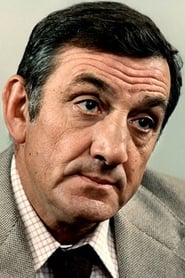
Philippe Gerbier

Luc Jardie

Jean-François Jardie

Mathilde
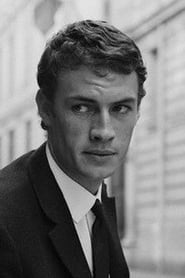
Le Masque

Félix
Main Cast & Characters
Philippe Gerbier
Played by Lino Ventura
A civil engineer and key leader in the French Resistance who demonstrates ruthless pragmatism and unwavering commitment to the cause.
Luc Jardie
Played by Paul Meurisse
The philosophical and measured leader of the Resistance network who operates with wisdom and strategic foresight.
Jean-François Jardie
Played by Jean-Pierre Cassel
Luc's younger brother, an idealistic resistant who struggles with the moral weight of their underground work.
Mathilde
Played by Simone Signoret
The only woman in the core group, a courageous and capable operative who faces a devastating betrayal.
Le Masque
Played by Claude Mann
A mysterious and resourceful Resistance member who wears his alias like armor, skilled in logistics and operations.
Félix
Played by Paul Crauchet
A brave young resistant arrested early in the film, whose fate becomes a catalyst for the group's actions.
Structural Analysis
The Status Quo at 1 minutes (1% through the runtime) establishes German soldiers march past the Arc de Triomphe in occupied Paris. The iconic image establishes France under Nazi occupation—a nation living in shadows where resistance is the only path to dignity.. Notably, this early placement immediately immerses viewers in the story world.
The inciting incident occurs at 17 minutes when Gerbier is transferred to Gestapo headquarters in Paris. His status shifts from political prisoner to condemned man—the Nazis now know he is a resistance leader, and his execution seems certain.. At 12% through the film, this Disruption aligns precisely with traditional story structure. This beat shifts the emotional landscape, launching the protagonist into the central conflict.
The First Threshold at 36 minutes marks the transition into Act II, occurring at 25% of the runtime. This illustrates the protagonist's commitment to Gerbier and his comrades execute Dounat, the young man who betrayed him to the Gestapo. This brutal, intimate killing marks Gerbier's full commitment to the moral compromises of resistance—there is no turning back., moving from reaction to action.
At 73 minutes, the Midpoint arrives at 50% of the runtime—precisely centered, creating perfect narrative symmetry. Notably, this crucial beat Gerbier receives a medal from de Gaulle in London and parachutes back into France. This false victory moment suggests the resistance is effective and valued—but the true cost has yet to be revealed., fundamentally raising what's at risk. The emotional intensity shifts, dividing the narrative into clear before-and-after phases.
The Collapse moment at 109 minutes (75% through) represents the emotional nadir. Here, Mathilde is captured by the Gestapo. Worse, they threaten her daughter's life, and she breaks—giving up names to save her child. The resistance's most capable member has become its greatest vulnerability., shows the protagonist at their lowest point. This beat's placement in the final quarter sets up the climactic reversal.
The Second Threshold at 116 minutes initiates the final act resolution at 80% of the runtime. Luc Jardie, the intellectual leader, makes the terrible decision: Mathilde must be eliminated before she can betray more comrades. Love and loyalty must yield to operational necessity—the cruelest calculus of war., demonstrating the transformation achieved throughout the journey.
Emotional Journey
Army of Shadows's emotional architecture traces a deliberate progression across 15 carefully calibrated beats.
Narrative Framework
This structural analysis employs a 15-point narrative structure framework that maps key story moments. By mapping Army of Shadows against these established plot points, we can identify how Jean-Pierre Melville utilizes or subverts traditional narrative conventions. The plot point approach reveals not only adherence to structural principles but also creative choices that distinguish Army of Shadows within the drama genre.
Comparative Analysis
Additional drama films include After Thomas, South Pacific and Dirty Dancing: Havana Nights.
Plot Points by Act
Act I
SetupStatus Quo
German soldiers march past the Arc de Triomphe in occupied Paris. The iconic image establishes France under Nazi occupation—a nation living in shadows where resistance is the only path to dignity.
Theme
In the internment camp, a fellow prisoner tells Gerbier that in this war, "We are all dead men on leave." This establishes the film's bleak thesis: resistance fighters live with the constant certainty of death.
Worldbuilding
Gerbier's world is established: imprisoned in an internment camp, he maintains stoic dignity. The rules of occupation are shown—surveillance, betrayal, and the constant threat of death define existence for those who resist.
Disruption
Gerbier is transferred to Gestapo headquarters in Paris. His status shifts from political prisoner to condemned man—the Nazis now know he is a resistance leader, and his execution seems certain.
Resistance
Gerbier makes his daring escape from Gestapo headquarters, killing a German soldier with his bare hands. He debates his path—flee or continue fighting. He chooses to reconnect with his resistance network despite the danger.
Act II
ConfrontationFirst Threshold
Gerbier and his comrades execute Dounat, the young man who betrayed him to the Gestapo. This brutal, intimate killing marks Gerbier's full commitment to the moral compromises of resistance—there is no turning back.
Mirror World
Mathilde is introduced—the remarkable woman who runs resistance operations with cold efficiency and maternal warmth. She represents what Gerbier cannot be: someone who maintains humanity while performing inhuman tasks.
Premise
The resistance network operates in shadows: secret meetings, coded messages, daring rescues. Gerbier travels to London to meet with de Gaulle. The mechanics of underground warfare are shown with procedural precision.
Midpoint
Gerbier receives a medal from de Gaulle in London and parachutes back into France. This false victory moment suggests the resistance is effective and valued—but the true cost has yet to be revealed.
Opposition
The Gestapo closes in relentlessly. Felix is captured and tortured. Jean-François is arrested. The network begins to unravel as the Germans systematically identify and eliminate resistance members.
Collapse
Mathilde is captured by the Gestapo. Worse, they threaten her daughter's life, and she breaks—giving up names to save her child. The resistance's most capable member has become its greatest vulnerability.
Crisis
The remaining resistance members process the devastating news. Mathilde knows too much—every safe house, every operative. Her survival means the network's destruction. An impossible choice emerges.
Act III
ResolutionSecond Threshold
Luc Jardie, the intellectual leader, makes the terrible decision: Mathilde must be eliminated before she can betray more comrades. Love and loyalty must yield to operational necessity—the cruelest calculus of war.
Synthesis
Gerbier and his comrades execute Mathilde in the street—a woman they loved and admired, killed not by enemies but by friends. The resistance continues, but at a cost that hollows out the soul.
Transformation
Title cards reveal the fate of each character: all will die before liberation. Gerbier, Jardie, Jean-François—none survive to see the France they fought for. The army of shadows marches toward certain death.