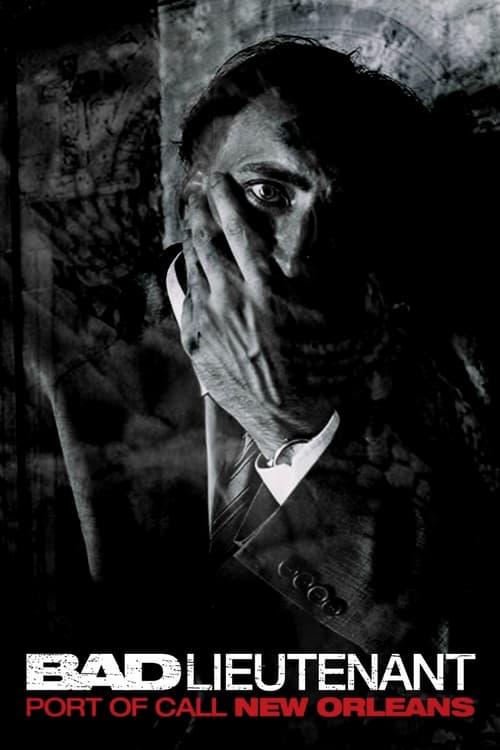
Bad Lieutenant: Port of Call - New Orleans
Terrence McDonagh is a New Orleans Police sergeant, who receives a medal and a promotion to lieutenant for heroism during Hurricane Katrina. Due to his heroic act, McDonagh injures his back and becomes addicted to prescription pain medication. He then finds himself involved with a drug dealer who is suspected of murdering a family of African immigrants.
The film financial setback against its respectable budget of $25.0M, earning $10.6M globally (-58% loss). While initial box office returns were modest, the film has gained appreciation for its distinctive approach within the drama genre.
3 wins & 13 nominations


Plot Structure
Story beats plotted across runtime


Narrative Arc
Emotional journey through the story's key moments
Story Circle
Blueprint 15-beat structure
Arcplot Score Breakdown
Weighted: Precision (70%) + Arc (15%) + Theme (15%)
Bad Lieutenant: Port of Call - New Orleans (2009) showcases meticulously timed narrative design, characteristic of Werner Herzog's storytelling approach. This structural analysis examines how the film's 15-point plot structure maps to proven narrative frameworks across 2 hours and 2 minutes. With an Arcplot score of 7.1, the film balances conventional beats with creative variation.
Characters
Cast & narrative archetypes

Terence McDonagh
Frankie Donnenfeld
Stevie Pruit
Big Fate
Ned Schoenholtz
Pat McDonagh
Genevieve McDonagh
Main Cast & Characters
Terence McDonagh
Played by Nicolas Cage
A corrupt New Orleans detective spiraling into addiction and moral decay while investigating a murder case.
Frankie Donnenfeld
Played by Eva Mendes
Terence's girlfriend, a prostitute struggling with her own drug addiction.
Stevie Pruit
Played by Val Kilmer
A drug dealer and primary suspect in the murder investigation.
Big Fate
Played by Xzibit
A powerful drug lord that McDonagh pursues and eventually becomes entangled with.
Ned Schoenholtz
Played by Brad Dourif
McDonagh's partner, a more conventional detective who grows concerned about Terence's behavior.
Pat McDonagh
Played by Tom Bower
Terence's father, a retired police captain struggling with his own alcoholism.
Genevieve McDonagh
Played by Jennifer Coolidge
Terence's mother, enabler to her husband's drinking and concerned about her son.
Structural Analysis
The Status Quo at 2 minutes (1% through the runtime) establishes Terence McDonagh rescues a prisoner from flooding in the aftermath of Hurricane Katrina, establishing him as a heroic cop with moral integrity before his fall.. Significantly, this early placement immediately immerses viewers in the story world.
The inciting incident occurs at 15 minutes when Six months later: Terence is promoted to lieutenant but is now heavily addicted to painkillers and cocaine, his heroism having led directly to his corruption.. At 12% through the film, this Disruption aligns precisely with traditional story structure. This beat shifts the emotional landscape, launching the protagonist into the central conflict.
The First Threshold at 30 minutes marks the transition into Act II, occurring at 25% of the runtime. This shows the protagonist's commitment to Terence actively chooses to shake down club kids for drugs and fully embraces corruption, crossing the line from struggling addict to criminal cop., moving from reaction to action.
At 60 minutes, the Midpoint arrives at 50% of the runtime—precisely centered, creating perfect narrative symmetry. Structural examination shows that this crucial beat False defeat: Terence's bookie threatens his father, his drug connections dry up, and internal affairs begins investigating him. The walls close in from all sides., fundamentally raising what's at risk. The emotional intensity shifts, dividing the narrative into clear before-and-after phases.
The Collapse moment at 91 minutes (75% through) represents the emotional nadir. Here, All is lost: Terence has a complete breakdown, hallucinates iguanas, faces exposure from all angles, and reaches his lowest point of paranoia and desperation., indicates the protagonist at their lowest point. This beat's placement in the final quarter sets up the climactic reversal.
The Second Threshold at 97 minutes initiates the final act resolution at 80% of the runtime. Breakthrough: Terence discovers how to solve the murder case and simultaneously protect himself by setting up Big Fate, synthesizing his corruption with police work., demonstrating the transformation achieved throughout the journey.
Emotional Journey
Bad Lieutenant: Port of Call - New Orleans's emotional architecture traces a deliberate progression across 15 carefully calibrated beats.
Narrative Framework
This structural analysis employs proven narrative structure principles that track dramatic progression. By mapping Bad Lieutenant: Port of Call - New Orleans against these established plot points, we can identify how Werner Herzog utilizes or subverts traditional narrative conventions. The plot point approach reveals not only adherence to structural principles but also creative choices that distinguish Bad Lieutenant: Port of Call - New Orleans within the drama genre.
Werner Herzog's Structural Approach
Among the 2 Werner Herzog films analyzed on Arcplot, the average structural score is 7.1, reflecting strong command of classical structure. Bad Lieutenant: Port of Call - New Orleans exemplifies the director's characteristic narrative technique. For comparative analysis, explore the complete Werner Herzog filmography.
Comparative Analysis
Additional drama films include After Thomas, South Pacific and Dirty Dancing: Havana Nights. For more Werner Herzog analyses, see Rescue Dawn.
Plot Points by Act
Act I
SetupStatus Quo
Terence McDonagh rescues a prisoner from flooding in the aftermath of Hurricane Katrina, establishing him as a heroic cop with moral integrity before his fall.
Theme
Doctor discusses pain management and Vicodin prescription, foreshadowing the theme of addiction and the thin line between medicine and abuse, control and chaos.
Worldbuilding
Post-Katrina New Orleans is established: devastated city, corrupt systems, Terence's back injury from the rescue leads to chronic pain and prescription drug dependency.
Disruption
Six months later: Terence is promoted to lieutenant but is now heavily addicted to painkillers and cocaine, his heroism having led directly to his corruption.
Resistance
Terence investigates a Senegalese family murder while juggling his addictions, relationship with prostitute Frankie, gambling debts, and increasingly corrupt behavior.
Act II
ConfrontationFirst Threshold
Terence actively chooses to shake down club kids for drugs and fully embraces corruption, crossing the line from struggling addict to criminal cop.
Mirror World
Frankie represents the mirror to Terence's addiction and moral decay; their relationship shows both love and mutual enabling in their descent.
Premise
The "fun and games" of being a corrupt cop: hallucinations, shakedowns, investigating the murder case, deeper gambling debts, and escalating drug use while maintaining his detective work.
Midpoint
False defeat: Terence's bookie threatens his father, his drug connections dry up, and internal affairs begins investigating him. The walls close in from all sides.
Opposition
Everything intensifies: Big Fate (the drug dealer) suspects Terence, gambling debts escalate, Frankie is beaten, his father is threatened, and he becomes increasingly desperate and unhinged.
Collapse
All is lost: Terence has a complete breakdown, hallucinates iguanas, faces exposure from all angles, and reaches his lowest point of paranoia and desperation.
Crisis
Dark night: Terence contemplates his complete moral collapse and the impossibility of redemption, spiraling in addiction and paranoia.
Act III
ResolutionSecond Threshold
Breakthrough: Terence discovers how to solve the murder case and simultaneously protect himself by setting up Big Fate, synthesizing his corruption with police work.
Synthesis
Finale: Terence executes his plan, solves the murder case, gets Big Fate arrested, clears his debts through evidence room theft, and miraculously escapes all consequences.
Transformation
Final image mirrors opening: Terence back on the job, promoted, still with Frankie (now with a baby), still using drugs. He hasn't transformed—he's won by becoming more corrupt.