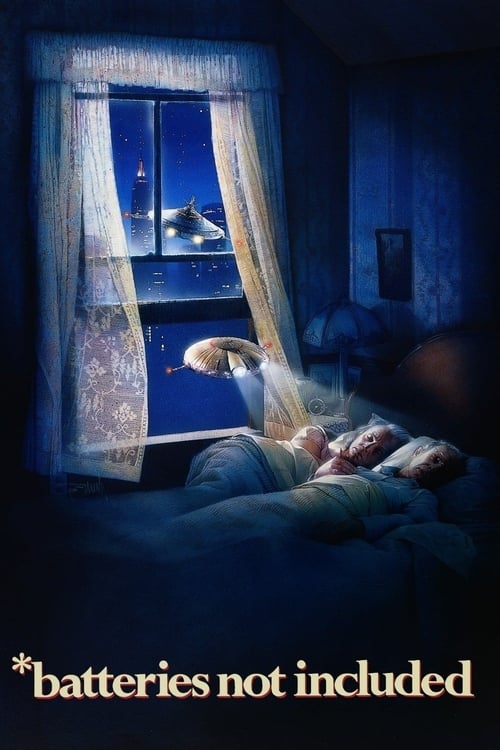
*batteries not included
In a soon to be demolished block of apartments, the residents resist the criminal methods used to force them to leave so a greedy tycoon can build his new skyscraper. When tiny mechanical aliens land for a recharge, they decide to stay and help out.
Despite a moderate budget of $25.0M, *batteries not included became a commercial success, earning $65.1M worldwide—a 160% return.
2 wins & 1 nomination


Plot Structure
Story beats plotted across runtime


Narrative Arc
Emotional journey through the story's key moments
Story Circle
Blueprint 15-beat structure
Arcplot Score Breakdown
Weighted: Precision (70%) + Arc (15%) + Theme (15%)
*batteries not included (1987) demonstrates meticulously timed dramatic framework, characteristic of Matthew Robbins's storytelling approach. This structural analysis examines how the film's 15-point plot structure maps to proven narrative frameworks across 1 hour and 47 minutes. With an Arcplot score of 7.0, the film balances conventional beats with creative variation.
Characters
Cast & narrative archetypes

Faye Riley
Frank Riley
Mason Baylor
Marisa Esteval
Carlos
Harry Noble
Kovacs
Main Cast & Characters
Faye Riley
Played by Jessica Tandy
Elderly woman running a struggling café, experiencing early dementia but determined to save her home and community.
Frank Riley
Played by Hume Cronyn
Faye's devoted husband who tenderly cares for her while fighting to save their building from demolition.
Mason Baylor
Played by Frank McRae
Bitter, alcoholic former boxer living in the building, struggling with his failed dreams and relationship with his son.
Marisa Esteval
Played by Elizabeth Peña
Pregnant artist living in the building with her partner, bringing hope and new life to the community.
Carlos
Played by Michael Carmine
Marisa's partner and fellow artist, loyal and supportive as they await their child.
Harry Noble
Played by Dennis Boutsikaris
Ruthless real estate developer determined to demolish the building to make way for his high-rise project.
Kovacs
Played by Michael Greene
Harry Noble's violent and intimidating enforcer who terrorizes the tenants to force them out.
Structural Analysis
The Status Quo at 1 minutes (1% through the runtime) establishes The dilapidated East Village tenement building stands surrounded by demolition and urban decay. Elderly residents Frank and Faye Riley struggle to maintain their failing café while developers pressure them to leave.. The analysis reveals that this early placement immediately immerses viewers in the story world.
The inciting incident occurs at 14 minutes when Lacey's thugs violently trash the café and terrorize the residents. The attack leaves the elderly tenants shaken and fearful, destroying their sense of safety and making their situation desperate.. At 13% through the film, this Disruption is delayed, allowing extended setup of the story world. This beat shifts the emotional landscape, launching the protagonist into the central conflict.
The First Threshold at 27 minutes marks the transition into Act II, occurring at 25% of the runtime. This demonstrates the protagonist's commitment to The residents collectively decide to trust the alien "Fix-Its" and accept their help. Faye names them "Floatie" and recognizes they want to help repair the building and their lives., moving from reaction to action.
At 54 minutes, the Midpoint arrives at 51% of the runtime—precisely centered, creating perfect narrative symmetry. The analysis reveals that this crucial beat Lacey discovers the Fix-Its and captures one of them to study. The false victory of the restored building is shattered. The stakes raise dramatically as the aliens are now in danger and the residents realize they must actively fight back., fundamentally raising what's at risk. The emotional intensity shifts, dividing the narrative into clear before-and-after phases.
The Collapse moment at 80 minutes (75% through) represents the emotional nadir. Here, The rescue attempt fails. One of the Fix-Its appears to die from injuries. The building is set for final demolition. Frank suffers a breakdown, losing hope. All seems lost as both the aliens and the residents face destruction., indicates the protagonist at their lowest point. This beat's placement in the final quarter sets up the climactic reversal.
The Second Threshold at 86 minutes initiates the final act resolution at 80% of the runtime. The "dead" Fix-It miraculously revives, repaired by its family. The residents realize they must make a final stand together. They understand that the power of community and love—what the Fix-Its taught them—is worth fighting for., demonstrating the transformation achieved throughout the journey.
Emotional Journey
*batteries not included's emotional architecture traces a deliberate progression across 15 carefully calibrated beats.
Narrative Framework
This structural analysis employs proven narrative structure principles that track dramatic progression. By mapping *batteries not included against these established plot points, we can identify how Matthew Robbins utilizes or subverts traditional narrative conventions. The plot point approach reveals not only adherence to structural principles but also creative choices that distinguish *batteries not included within the family genre.
Matthew Robbins's Structural Approach
Among the 3 Matthew Robbins films analyzed on Arcplot, the average structural score is 6.9, demonstrating varied approaches to story architecture. *batteries not included represents one of the director's most structurally precise works. For comparative analysis, explore the complete Matthew Robbins filmography.
Comparative Analysis
Additional family films include The Black Stallion, The Bad Guys and Ella Enchanted. For more Matthew Robbins analyses, see Corvette Summer, Dragonslayer.
Plot Points by Act
Act I
SetupStatus Quo
The dilapidated East Village tenement building stands surrounded by demolition and urban decay. Elderly residents Frank and Faye Riley struggle to maintain their failing café while developers pressure them to leave.
Theme
Mason, the construction boss, tells Frank: "You can't stop progress." The theme of holding onto hope and community versus inevitable change is established.
Worldbuilding
Introduction to the tenement residents: Frank (growing senile) and Faye Riley, artist Mason Baylor, pregnant Marisa, and boxer Harry Noble. Lacey, the antagonist developer, sends thugs to terrorize them into leaving. The building is the last holdout against a massive construction project.
Disruption
Lacey's thugs violently trash the café and terrorize the residents. The attack leaves the elderly tenants shaken and fearful, destroying their sense of safety and making their situation desperate.
Resistance
The residents debate whether to leave or stay. A mysterious flying saucer appears on the roof. Frank discovers two tiny alien spacecraft that seem curious and helpful. The residents are skeptical but intrigued by these strange visitors.
Act II
ConfrontationFirst Threshold
The residents collectively decide to trust the alien "Fix-Its" and accept their help. Faye names them "Floatie" and recognizes they want to help repair the building and their lives.
Mirror World
The Fix-Its begin repairing the building and bringing the community together. Marisa finds hope for her unborn child. The relationship between the residents and the alien helpers deepens, teaching that help comes from unexpected places.
Premise
The Fix-Its perform miraculous repairs, restore electricity, fix plumbing, and even create a baby Fix-It. The building transforms into a vibrant home again. The residents rediscover joy and community. Frank's memory improves through purpose and hope.
Midpoint
Lacey discovers the Fix-Its and captures one of them to study. The false victory of the restored building is shattered. The stakes raise dramatically as the aliens are now in danger and the residents realize they must actively fight back.
Opposition
Lacey intensifies his attacks, using the captured Fix-It to set a trap. The remaining Fix-Its are injured trying to rescue their companion. The residents plan a rescue mission but face overwhelming opposition from Lacey's forces and resources.
Collapse
The rescue attempt fails. One of the Fix-Its appears to die from injuries. The building is set for final demolition. Frank suffers a breakdown, losing hope. All seems lost as both the aliens and the residents face destruction.
Crisis
The residents mourn in their darkest hour. Faye comforts Frank. They face the reality of losing everything—their home, their alien friends, their community. The emotional weight of defeat settles over them.
Act III
ResolutionSecond Threshold
The "dead" Fix-It miraculously revives, repaired by its family. The residents realize they must make a final stand together. They understand that the power of community and love—what the Fix-Its taught them—is worth fighting for.
Synthesis
The Fix-Its and residents work together for a final confrontation. The aliens use their powers to defend the building against the wrecking ball and Lacey's forces. The community stands united. Lacey is defeated and the building is saved.
Transformation
The building thrives with new life. Marisa's baby is born. Frank is mentally restored and present. The Fix-Its depart, having saved the community and taught them to believe in miracles. The café glows with warmth and hope—the opposite of the opening decay.