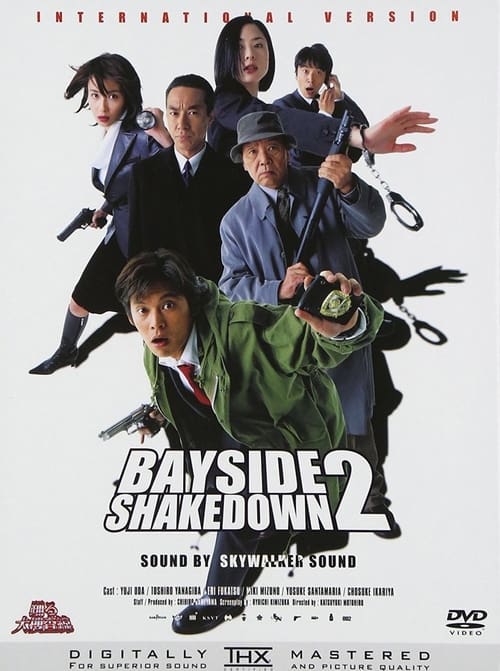
Bayside Shakedown 2
The movie takes place again in the fictional Wangan Station of the Tokyo Metropolitan Police Department the once empty space within Wangan's jurisdiction has become a popular tourist attraction. When a string of murders of company execs begins taking place, Aoshima jumps at the opportunity to pursue something other than his current case, which he finds less than inspiring. However the powers that be have other ideas, and Wangan again plays host to a special investigation team from headquarters. Aoshima's friend Superintendent Shinji Muroi, assigned by headquarters to assist Okita, is again powerless to help the local officers as decisions are made by the higher ups.
The film earned $170.0M at the global box office.
Plot Structure
Story beats plotted across runtime


Narrative Arc
Emotional journey through the story's key moments
Story Circle
Blueprint 15-beat structure
Arcplot Score Breakdown
Weighted: Precision (70%) + Arc (15%) + Theme (15%)
Bayside Shakedown 2 (2003) demonstrates carefully calibrated narrative architecture, characteristic of Katsuyuki Motohiro's storytelling approach. This structural analysis examines how the film's 15-point plot structure maps to proven narrative frameworks across 2 hours and 8 minutes. With an Arcplot score of 7.6, the film showcases strong structural fundamentals.
Characters
Cast & narrative archetypes

Aoshima Shunsaku
Muroi Shinji
Sumire Onda
Yukino Kashiwagi

Masayoshi Mashita
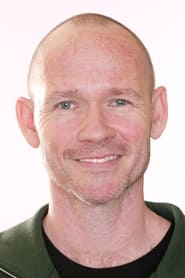
Heihachiro Waku
Keiichi Okita
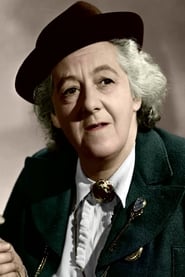
Shuichi Kanda
Main Cast & Characters
Aoshima Shunsaku
Played by Yuji Oda
A detective at Wangan Police Station who navigates bureaucracy and street-level crime with unconventional methods and dedication to justice.
Muroi Shinji
Played by Toshiro Yanagiba
Career-minded headquarters officer caught between administrative duties and supporting field operations.
Sumire Onda
Played by Eri Fukatsu
Sharp and competent female detective who brings intelligence and determination to investigations.
Yukino Kashiwagi
Played by Miki Mizuno
Administrative officer who manages logistics and coordination with professionalism and care.
Masayoshi Mashita
Played by Yusuke Santamaria
Gruff veteran detective with street smarts and loyalty to his team.
Heihachiro Waku
Played by Chosuke Ikariya
Wangan Police Station chief who balances political pressure with protecting his officers.
Keiichi Okita
Played by Soichiro Kitamura
Headquarters superintendent dealing with high-level bureaucracy and organizational politics.
Shuichi Kanda
Played by Susumu Terajima
Enthusiastic junior detective eager to prove himself in the field.
Structural Analysis
The Status Quo at 2 minutes (1% through the runtime) establishes Detective Aoshima working at Wangan Police Station, dealing with routine police work and bureaucratic frustrations. The ordinary world of procedural police work is established.. The analysis reveals that this early placement immediately immerses viewers in the story world.
The inciting incident occurs at 15 minutes when A major incident occurs—a kidnapping and bomb threat targeting the new Rainbow Bridge development. The case immediately becomes politicized as headquarters wants to take control.. At 12% through the film, this Disruption aligns precisely with traditional story structure. This beat shifts the emotional landscape, launching the protagonist into the central conflict.
The First Threshold at 32 minutes marks the transition into Act II, occurring at 25% of the runtime. This shows the protagonist's commitment to Aoshima decides to actively pursue the case despite headquarters' interference. He commits to protecting his jurisdiction and the victims, crossing the point of no return., moving from reaction to action.
At 64 minutes, the Midpoint arrives at 50% of the runtime—precisely centered, creating perfect narrative symmetry. Significantly, this crucial beat A false defeat—headquarters officially takes over the case, or a crucial lead falls apart. Aoshima seems to have lost control of the investigation. Stakes are raised significantly., fundamentally raising what's at risk. The emotional intensity shifts, dividing the narrative into clear before-and-after phases.
The Collapse moment at 96 minutes (75% through) represents the emotional nadir. Here, The darkest moment—a life is lost, or appears to be lost (hostage situation goes wrong), or Aoshima is removed from the case entirely. A "whiff of death" as his career and/or the victims are in grave danger., reveals the protagonist at their lowest point. This beat's placement in the final quarter sets up the climactic reversal.
The Second Threshold at 102 minutes initiates the final act resolution at 80% of the runtime. New information emerges, or Aoshima synthesizes street-level knowledge with insider information from his headquarters ally. He sees the solution clearly and commits to final confrontation., demonstrating the transformation achieved throughout the journey.
Emotional Journey
Bayside Shakedown 2's emotional architecture traces a deliberate progression across 15 carefully calibrated beats.
Narrative Framework
This structural analysis employs systematic plot point analysis that identifies crucial turning points. By mapping Bayside Shakedown 2 against these established plot points, we can identify how Katsuyuki Motohiro utilizes or subverts traditional narrative conventions. The plot point approach reveals not only adherence to structural principles but also creative choices that distinguish Bayside Shakedown 2 within the action genre.
Katsuyuki Motohiro's Structural Approach
Among the 3 Katsuyuki Motohiro films analyzed on Arcplot, the average structural score is 7.4, reflecting strong command of classical structure. Bayside Shakedown 2 represents one of the director's most structurally precise works. For comparative analysis, explore the complete Katsuyuki Motohiro filmography.
Comparative Analysis
Additional action films include The Ministry of Ungentlemanly Warfare, The Bad Guys and Lake Placid. For more Katsuyuki Motohiro analyses, see Bayside Shakedown, Bayside Shakedown 3: Set the Guys Loose.
Plot Points by Act
Act I
SetupStatus Quo
Detective Aoshima working at Wangan Police Station, dealing with routine police work and bureaucratic frustrations. The ordinary world of procedural police work is established.
Theme
A superior officer or colleague mentions that real police work isn't about glory or headquarters politics—it's about protecting the people on the street. Theme of grassroots dedication vs. bureaucratic ambition.
Worldbuilding
Introduction to the Wangan Station team, Aoshima's relationships with colleagues, the tension between field detectives and headquarters bureaucrats, and the Rainbow Bridge location that will become central.
Disruption
A major incident occurs—a kidnapping and bomb threat targeting the new Rainbow Bridge development. The case immediately becomes politicized as headquarters wants to take control.
Resistance
Aoshima and his team debate whether to fight for jurisdiction or let headquarters handle it. Tension builds as they prepare to either step aside or commit to the investigation despite political pressure.
Act II
ConfrontationFirst Threshold
Aoshima decides to actively pursue the case despite headquarters' interference. He commits to protecting his jurisdiction and the victims, crossing the point of no return.
Mirror World
Muroi (or another character from headquarters) represents the thematic counterpoint—working within the system vs. Aoshima's street-level approach. Their relationship explores duty to institution vs. duty to people.
Premise
The fun of watching Aoshima's unconventional detective work—interviewing witnesses, following leads, team camaraderie, outsmarting bureaucrats. The promise of a street-smart cop vs. the system.
Midpoint
A false defeat—headquarters officially takes over the case, or a crucial lead falls apart. Aoshima seems to have lost control of the investigation. Stakes are raised significantly.
Opposition
Pressure mounts as the criminal escalates, headquarters blocks Aoshima's efforts, internal conflicts arise within the team, and time runs out. Everything gets harder as bureaucracy and danger intensify.
Collapse
The darkest moment—a life is lost, or appears to be lost (hostage situation goes wrong), or Aoshima is removed from the case entirely. A "whiff of death" as his career and/or the victims are in grave danger.
Crisis
Aoshima processes the failure, questions his approach, faces the emotional weight of the consequences. The team regroups in despair before finding resolve.
Act III
ResolutionSecond Threshold
New information emerges, or Aoshima synthesizes street-level knowledge with insider information from his headquarters ally. He sees the solution clearly and commits to final confrontation.
Synthesis
The finale—Aoshima executes the plan to rescue hostages and catch the criminal, confronts both the antagonist and the bureaucratic system, resolves the case through grassroots police work.
Transformation
Closing image mirrors the opening but shows growth—Aoshima remains at Wangan Station by choice, having proven the value of street-level dedication. He's the same cop but with renewed purpose and validated principles.