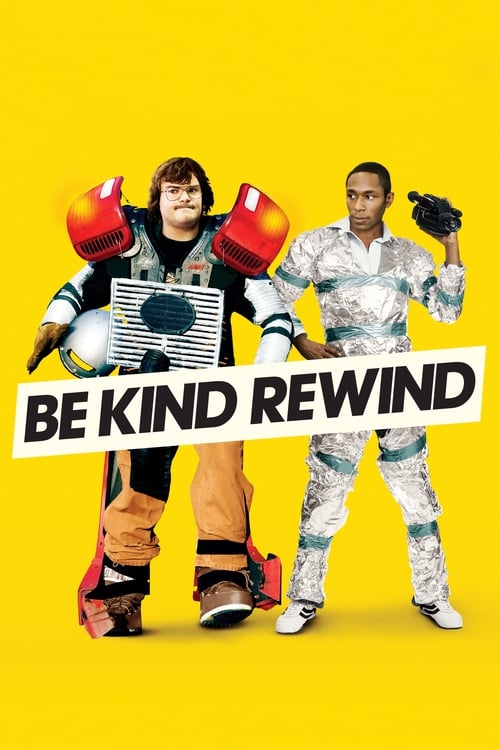
Be Kind Rewind
A man whose brain becomes magnetized unintentionally destroys every tape in his friend's video store. In order to satisfy the store's most loyal renter, an aging woman with signs of dementia, the two men set out to remake the lost films.
Working with a respectable budget of $20.0M, the film achieved a steady performer with $30.6M in global revenue (+53% profit margin).


Plot Structure
Story beats plotted across runtime


Narrative Arc
Emotional journey through the story's key moments
Story Circle
Blueprint 15-beat structure
Arcplot Score Breakdown
Weighted: Precision (70%) + Arc (15%) + Theme (15%)
Be Kind Rewind (2008) reveals deliberately positioned dramatic framework, characteristic of Michel Gondry's storytelling approach. This structural analysis examines how the film's 15-point plot structure maps to proven narrative frameworks across 1 hour and 42 minutes. With an Arcplot score of 7.1, the film balances conventional beats with creative variation.
Characters
Cast & narrative archetypes

Jerry Gerber
Mike
Mr. Fletcher
Alma
Miss Falewicz
Main Cast & Characters
Jerry Gerber
Played by Jack Black
An impulsive auto mechanic who accidentally erases all the video tapes and must remake them with his friend Mike.
Mike
Played by Mos Def
A video store clerk and Jerry's best friend who helps recreate erased films through homemade "Sweded" versions.
Mr. Fletcher
Played by Danny Glover
The aging owner of Be Kind Rewind video store who cares deeply about preserving the store and its community history.
Alma
Played by Melonie Diaz
A local woman who becomes involved in the filmmaking project and helps the friends remake movies.
Miss Falewicz
Played by Mia Farrow
An elderly regular customer who requests Driving Miss Daisy and becomes a key supporter of the sweded films.
Structural Analysis
The Status Quo at 1 minutes (1% through the runtime) establishes Mike works at the struggling Be Kind Rewind video store in Passaic, NJ. The outdated VHS rental shop and its elderly owner Mr. Fletcher represent a dying era of community connection.. Notably, this early placement immediately immerses viewers in the story world.
The inciting incident occurs at 13 minutes when Jerry becomes magnetized after attempting to sabotage the power plant. When he enters the video store, his magnetic field erases every single VHS tape in the inventory, destroying the store's entire business.. At 13% through the film, this Disruption is delayed, allowing extended setup of the story world. This beat shifts the emotional landscape, launching the protagonist into the central conflict.
The First Threshold at 26 minutes marks the transition into Act II, occurring at 26% of the runtime. This demonstrates the protagonist's commitment to Mike and Jerry decide to recreate Ghostbusters themselves with a camcorder to fool Miss Falewicz. This active choice to "swede" the movie launches them into uncharted creative territory., moving from reaction to action.
At 51 minutes, the Midpoint arrives at 50% of the runtime—precisely centered, creating perfect narrative symmetry. Notably, this crucial beat The sweded movies become hugely popular, drawing customers from outside the neighborhood. The store seems saved through creativity and community effort—a false victory, as they're still operating illegally with copyrighted material., fundamentally raising what's at risk. The emotional intensity shifts, dividing the narrative into clear before-and-after phases.
The Collapse moment at 78 minutes (76% through) represents the emotional nadir. Here, The lawyers destroy all the sweded tapes and the video store equipment. The building will be demolished. The community's creative work is erased, and Mr. Fletcher's legacy appears lost forever., demonstrates the protagonist at their lowest point. This beat's placement in the final quarter sets up the climactic reversal.
The Second Threshold at 82 minutes initiates the final act resolution at 81% of the runtime. Mike realizes they can create an original film about Fats Waller and the building's history—their own story that no one can take away. The community rallies to make one final film together before demolition., demonstrating the transformation achieved throughout the journey.
Emotional Journey
Be Kind Rewind's emotional architecture traces a deliberate progression across 15 carefully calibrated beats.
Narrative Framework
This structural analysis employs structural analysis methodology used to understand storytelling architecture. By mapping Be Kind Rewind against these established plot points, we can identify how Michel Gondry utilizes or subverts traditional narrative conventions. The plot point approach reveals not only adherence to structural principles but also creative choices that distinguish Be Kind Rewind within the drama genre.
Michel Gondry's Structural Approach
Among the 5 Michel Gondry films analyzed on Arcplot, the average structural score is 7.1, reflecting strong command of classical structure. Be Kind Rewind takes a more unconventional approach compared to the director's typical style. For comparative analysis, explore the complete Michel Gondry filmography.
Comparative Analysis
Additional drama films include After Thomas, South Pacific and Dirty Dancing: Havana Nights. For more Michel Gondry analyses, see The Green Hornet, Eternal Sunshine of the Spotless Mind and The Science of Sleep.
Plot Points by Act
Act I
SetupStatus Quo
Mike works at the struggling Be Kind Rewind video store in Passaic, NJ. The outdated VHS rental shop and its elderly owner Mr. Fletcher represent a dying era of community connection.
Theme
Mr. Fletcher tells Mike about Fats Waller's legacy and the building's history, suggesting that preserving community memory and creating together matters more than professional polish or profit.
Worldbuilding
Establishment of the neighborhood, the video store's precarious financial situation, Mike's responsibility, Jerry's eccentric conspiracy theories, Mr. Fletcher's trip, and the threat of demolition and replacement with modern development.
Disruption
Jerry becomes magnetized after attempting to sabotage the power plant. When he enters the video store, his magnetic field erases every single VHS tape in the inventory, destroying the store's entire business.
Resistance
Mike discovers the tapes are erased and panics. He tries to hide the disaster from customers. When Miss Falewicz demands Ghostbusters, Mike debates whether to confess the truth or attempt an impossible solution.
Act II
ConfrontationFirst Threshold
Mike and Jerry decide to recreate Ghostbusters themselves with a camcorder to fool Miss Falewicz. This active choice to "swede" the movie launches them into uncharted creative territory.
Mirror World
Miss Falewicz loves their homemade Ghostbusters, calling it better than the original. Other customers want to rent sweded movies. The community begins to gather around this new collaborative art form.
Premise
Mike, Jerry, and eventually the whole neighborhood create sweded versions of popular films. The promise of the premise delivers: homemade cinema magic, community participation, and joyful creativity replacing corporate entertainment.
Midpoint
The sweded movies become hugely popular, drawing customers from outside the neighborhood. The store seems saved through creativity and community effort—a false victory, as they're still operating illegally with copyrighted material.
Opposition
The studio lawyers discover the sweded tapes and threaten legal action. Mr. Fletcher returns to find his store transformed but facing lawsuits. The city's demolition plans accelerate. Their creative solution has made things worse.
Collapse
The lawyers destroy all the sweded tapes and the video store equipment. The building will be demolished. The community's creative work is erased, and Mr. Fletcher's legacy appears lost forever.
Crisis
Mike, Jerry, and the community face the dark reality that their efforts failed to save the store. They process the loss of both the physical space and the connection it represented.
Act III
ResolutionSecond Threshold
Mike realizes they can create an original film about Fats Waller and the building's history—their own story that no one can take away. The community rallies to make one final film together before demolition.
Synthesis
The entire neighborhood collaborates to create their Fats Waller film. They premiere it outdoors on the building's wall. The community gathers not to save the building, but to celebrate their shared creative spirit and collective memory.
Transformation
The community watches their original film together in joyful communion. Though the building will fall, they've created something authentic that belongs to them—transforming from passive consumers to active creators of their own culture.