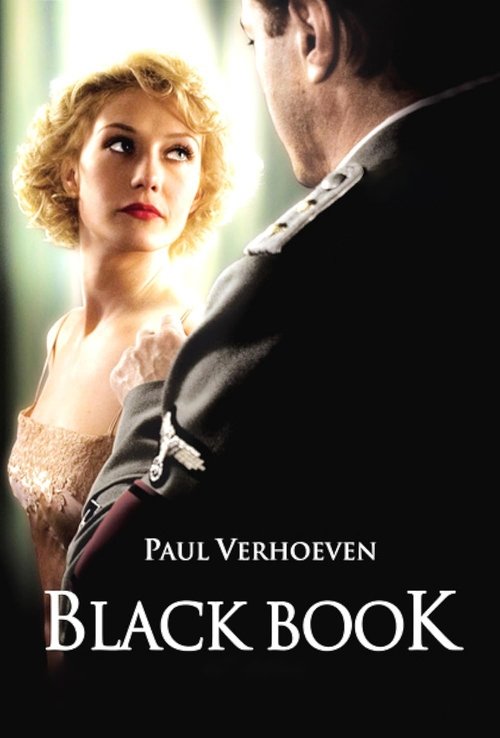
Black Book
In the Nazi-occupied Netherlands during World War II, a Jewish singer infiltrates the regional Gestapo headquarters for the Dutch resistance.
Working with a respectable budget of $21.0M, the film achieved a steady performer with $26.8M in global revenue (+27% profit margin).
Nominated for 1 BAFTA Award13 wins & 23 nominations


Plot Structure
Story beats plotted across runtime


Narrative Arc
Emotional journey through the story's key moments
Story Circle
Blueprint 15-beat structure
Arcplot Score Breakdown
Weighted: Precision (70%) + Arc (15%) + Theme (15%)
Black Book (2006) exemplifies meticulously timed plot construction, characteristic of Paul Verhoeven's storytelling approach. This structural analysis examines how the film's 15-point plot structure maps to proven narrative frameworks across 2 hours and 25 minutes. With an Arcplot score of 7.1, the film balances conventional beats with creative variation.
Characters
Cast & narrative archetypes

Rachel Stein / Ellis de Vries
Ludwig Müntze
Hans Akkermans
Gerben Kuipers
Günther Franken
Ronnie
Notary Smaal
Main Cast & Characters
Rachel Stein / Ellis de Vries
Played by Carice van Houten
A Jewish singer who joins the Dutch resistance and goes undercover as a spy within Nazi SS headquarters.
Ludwig Müntze
Played by Sebastian Koch
A high-ranking SS officer who falls in love with Rachel, torn between duty and his genuine feelings.
Hans Akkermans
Played by Thom Hoffman
A Dutch resistance fighter and lawyer who recruits Rachel and becomes romantically involved with her.
Gerben Kuipers
Played by Derek de Lint
A resistance leader and businessman who coordinates underground operations against the Nazis.
Günther Franken
Played by Waldemar Kobus
A sadistic Gestapo officer and the primary antagonist who betrays both sides for personal gain.
Ronnie
Played by Halina Reijn
A loyal resistance member who helps Rachel with her undercover mission and provides crucial support.
Notary Smaal
Played by Dolf de Vries
A corrupt notary who collaborates with the Nazis and exploits Jewish refugees for profit.
Structural Analysis
The Status Quo at 2 minutes (1% through the runtime) establishes Rachel Stein teaches in Israel, 1956. Flashback begins to September 1944 - Rachel hiding in Dutch countryside, living in constant fear but maintaining hope and her Jewish identity.. The analysis reveals that this early placement immediately immerses viewers in the story world.
The inciting incident occurs at 17 minutes when Allied bombing destroys Rachel's hiding place. Her safe world is shattered and she must flee, reuniting with her family to attempt escape to liberated territory.. At 12% through the film, this Disruption aligns precisely with traditional story structure. This beat shifts the emotional landscape, launching the protagonist into the central conflict.
The First Threshold at 35 minutes marks the transition into Act II, occurring at 24% of the runtime. This demonstrates the protagonist's commitment to Nazi ambush on the escape boat - Rachel's entire family is murdered before her eyes. She barely escapes. Her old identity dies; she actively chooses to join the resistance to seek vengeance and justice., moving from reaction to action.
At 72 minutes, the Midpoint arrives at 50% of the runtime—precisely centered, creating perfect narrative symmetry. Structural examination shows that this crucial beat False victory: Rachel successfully plants listening device in Nazi headquarters and begins passionate affair with Müntze. She appears to have achieved her position, but her growing feelings for the enemy complicate everything. Stakes raised., fundamentally raising what's at risk. The emotional intensity shifts, dividing the narrative into clear before-and-after phases.
The Collapse moment at 108 minutes (75% through) represents the emotional nadir. Here, Liberation arrives but Rachel is branded a Nazi collaborator. Müntze is captured. The traitor is revealed as resistance member Kuipers. Rachel is seized by mob, publicly humiliated, covered in excrement. Her identity, dignity, and hope are destroyed., reveals the protagonist at their lowest point. This beat's placement in the final quarter sets up the climactic reversal.
The Second Threshold at 115 minutes initiates the final act resolution at 80% of the runtime. Müntze and Rachel escape together with help from honest resistance member Smaal. Rachel gains evidence proving Kuipers' treachery. She synthesizes her skills, courage, and Müntze's inside knowledge to seek justice and survival., demonstrating the transformation achieved throughout the journey.
Emotional Journey
Black Book's emotional architecture traces a deliberate progression across 15 carefully calibrated beats.
Narrative Framework
This structural analysis employs a 15-point narrative structure framework that maps key story moments. By mapping Black Book against these established plot points, we can identify how Paul Verhoeven utilizes or subverts traditional narrative conventions. The plot point approach reveals not only adherence to structural principles but also creative choices that distinguish Black Book within the drama genre.
Paul Verhoeven's Structural Approach
Among the 6 Paul Verhoeven films analyzed on Arcplot, the average structural score is 7.0, demonstrating varied approaches to story architecture. Black Book represents one of the director's most structurally precise works. For comparative analysis, explore the complete Paul Verhoeven filmography.
Comparative Analysis
Additional drama films include After Thomas, South Pacific and Dirty Dancing: Havana Nights. For more Paul Verhoeven analyses, see Total Recall, Starship Troopers and Showgirls.
Plot Points by Act
Act I
SetupStatus Quo
Rachel Stein teaches in Israel, 1956. Flashback begins to September 1944 - Rachel hiding in Dutch countryside, living in constant fear but maintaining hope and her Jewish identity.
Theme
Farmer warns Rachel about trust and survival: "In times like these, you never know who to trust." Theme of moral ambiguity in wartime established.
Worldbuilding
Occupied Netherlands September 1944. Rachel's life in hiding, relationship with the Van Gein family, the underground resistance network, Nazi occupation forces, and black market operations are established.
Disruption
Allied bombing destroys Rachel's hiding place. Her safe world is shattered and she must flee, reuniting with her family to attempt escape to liberated territory.
Resistance
Rachel reunites with family and they arrange passage with resistance smuggler Van Gein. She debates whether to risk the journey, prepares for escape, says goodbye to her old life. Family boards boat for supposed freedom.
Act II
ConfrontationFirst Threshold
Nazi ambush on the escape boat - Rachel's entire family is murdered before her eyes. She barely escapes. Her old identity dies; she actively chooses to join the resistance to seek vengeance and justice.
Mirror World
Rachel meets resistance leader Gerben Kuipers and is introduced to her mission. She encounters SS Officer Ludwig Müntze at resistance headquarters - their mutual attraction begins, representing the thematic conflict between duty and humanity.
Premise
Rachel transforms into "Ellis de Vries" - blonde, Christian resistance operative. She seduces Müntze to infiltrate Nazi headquarters, delivers intelligence, navigates double life. The spy thriller premise delivers tension and moral complexity.
Midpoint
False victory: Rachel successfully plants listening device in Nazi headquarters and begins passionate affair with Müntze. She appears to have achieved her position, but her growing feelings for the enemy complicate everything. Stakes raised.
Opposition
Resistance operation goes wrong - hostages executed. Rachel discovers evidence of traitor within resistance. Her relationship with Müntze deepens dangerously. Gestapo closes in. Trust erodes on all sides. Her dual identity becomes unsustainable.
Collapse
Liberation arrives but Rachel is branded a Nazi collaborator. Müntze is captured. The traitor is revealed as resistance member Kuipers. Rachel is seized by mob, publicly humiliated, covered in excrement. Her identity, dignity, and hope are destroyed.
Crisis
Rachel imprisoned and brutalized by former allies. She faces execution. In her darkest hour, she confronts the complete betrayal by those she trusted and the loss of everything she fought for. She must find will to survive.
Act III
ResolutionSecond Threshold
Müntze and Rachel escape together with help from honest resistance member Smaal. Rachel gains evidence proving Kuipers' treachery. She synthesizes her skills, courage, and Müntze's inside knowledge to seek justice and survival.
Synthesis
Rachel and Müntze confront the traitors. Final confrontation with Kuipers and corrupt officer Franken. Multiple betrayals revealed. Shootout results in deaths of villains but also Müntze. Canadian forces arrive. Justice served but at devastating cost.
Transformation
1956 Israel: Rachel, now a schoolteacher in kibbutz, has survived and built new life. She carries the weight of all she lost but has found peace. The innocent girl from the opening is gone, replaced by a survivor who learned trust is earned, not given.