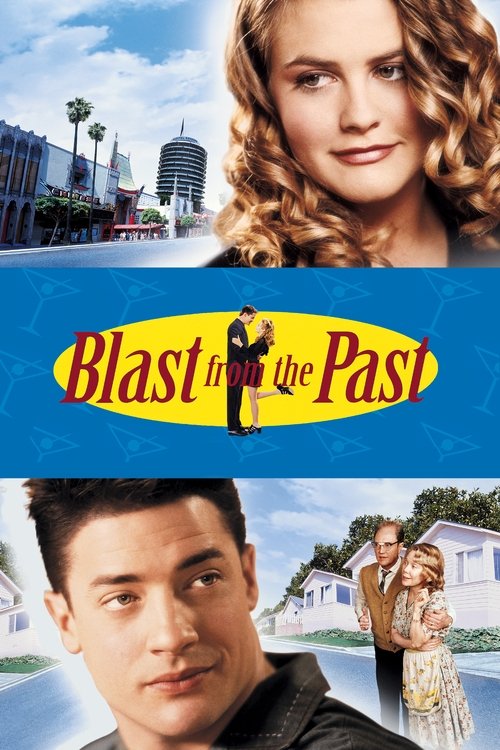
Blast from the Past
Following a bomb scare in the 1960s that locked the Webers into their bomb shelter for 35 years, Adam now ventures forth into Los Angeles to obtain food and supplies for his family, and a non-mutant wife for himself.
Working with a respectable budget of $35.0M, the film achieved a steady performer with $40.3M in global revenue (+15% profit margin).


Plot Structure
Story beats plotted across runtime


Narrative Arc
Emotional journey through the story's key moments
Story Circle
Blueprint 15-beat structure
Arcplot Score Breakdown
Weighted: Precision (70%) + Arc (15%) + Theme (15%)
Blast from the Past (1999) showcases strategically placed narrative design, characteristic of Hugh Wilson's storytelling approach. This structural analysis examines how the film's 15-point plot structure maps to proven narrative frameworks across 1 hour and 52 minutes. With an Arcplot score of 6.9, the film balances conventional beats with creative variation.
Characters
Cast & narrative archetypes

Adam Webber
Eve Russtin
Calvin Webber
Helen Webber
Troy
Main Cast & Characters
Adam Webber
Played by Brendan Fraser
A naive, optimistic man raised in a fallout shelter for 35 years who emerges into 1990s Los Angeles with 1960s values and mannerisms.
Eve Russtin
Played by Alicia Silverstone
A jaded, street-smart modern woman who helps Adam navigate the contemporary world and becomes his love interest.
Calvin Webber
Played by Christopher Walken
Adam's brilliant but paranoid father who built the fallout shelter and raised his family underground believing nuclear war had occurred.
Helen Webber
Played by Sissy Spacek
Adam's refined, cultured mother who maintained 1960s elegance and values while raising her son in the shelter.
Troy
Played by Dave Foley
Eve's manipulative, sleazy ex-boyfriend who tries to exploit Adam's naivety and baseball card collection.
Structural Analysis
The Status Quo at 1 minutes (1% through the runtime) establishes 1962: Calvin and Helen Webber are an idealistic, optimistic couple preparing their new fallout shelter during the Cuban Missile Crisis, representing pre-disruption innocence and hope.. The analysis reveals that this early placement immediately immerses viewers in the story world.
The inciting incident occurs at 13 minutes when Calvin mistakes a plane crash for a nuclear attack and locks the family in the fallout shelter for 35 years, sealing the time locks. Their normal life ends.. At 11% through the film, this Disruption aligns precisely with traditional story structure. This beat shifts the emotional landscape, launching the protagonist into the central conflict.
The First Threshold at 27 minutes marks the transition into Act II, occurring at 25% of the runtime. This reveals the protagonist's commitment to 35 years later, the locks open. Adam volunteers to go to the surface to gather supplies and find a non-mutant wife. He actively chooses to leave the only world he's known., moving from reaction to action.
At 56 minutes, the Midpoint arrives at 50% of the runtime—precisely centered, creating perfect narrative symmetry. Of particular interest, this crucial beat False victory: Adam successfully acquires supplies and Eve agrees to help him find a wife. They share a romantic dance and connection deepens. Stakes raise as Eve starts falling for him but believes they're from different worlds., fundamentally raising what's at risk. The emotional intensity shifts, dividing the narrative into clear before-and-after phases.
The Collapse moment at 82 minutes (74% through) represents the emotional nadir. Here, Adam discovers his parents lied about the apocalypse - there never was nuclear devastation. His entire worldview and trust in his parents dies. He retreats to the shelter, heartbroken and disillusioned., indicates the protagonist at their lowest point. This beat's placement in the final quarter sets up the climactic reversal.
The Second Threshold at 89 minutes initiates the final act resolution at 79% of the runtime. Calvin reveals the truth and apologizes - the lie came from love and fear. Adam realizes his parents' values of optimism, culture, and love are still valid even if the threat was false. He chooses to pursue Eve., demonstrating the transformation achieved throughout the journey.
Emotional Journey
Blast from the Past's emotional architecture traces a deliberate progression across 15 carefully calibrated beats.
Narrative Framework
This structural analysis employs structural analysis methodology used to understand storytelling architecture. By mapping Blast from the Past against these established plot points, we can identify how Hugh Wilson utilizes or subverts traditional narrative conventions. The plot point approach reveals not only adherence to structural principles but also creative choices that distinguish Blast from the Past within the drama genre.
Hugh Wilson's Structural Approach
Among the 5 Hugh Wilson films analyzed on Arcplot, the average structural score is 7.1, reflecting strong command of classical structure. Blast from the Past takes a more unconventional approach compared to the director's typical style. For comparative analysis, explore the complete Hugh Wilson filmography.
Comparative Analysis
Additional drama films include After Thomas, South Pacific and Dirty Dancing: Havana Nights. For more Hugh Wilson analyses, see The First Wives Club, Dudley Do-Right and Guarding Tess.
Plot Points by Act
Act I
SetupStatus Quo
1962: Calvin and Helen Webber are an idealistic, optimistic couple preparing their new fallout shelter during the Cuban Missile Crisis, representing pre-disruption innocence and hope.
Theme
Calvin speaks about preserving the best of civilization and passing it on - "We'll create a little world down here, a world of culture and learning." The theme of preserving and valuing the past while adapting to the present.
Worldbuilding
Establishment of 1962 world: Calvin's paranoia about nuclear war, their personality types, the fallout shelter, Helen's pregnancy. A plane crashes near their house during the Cuban Missile Crisis party.
Disruption
Calvin mistakes a plane crash for a nuclear attack and locks the family in the fallout shelter for 35 years, sealing the time locks. Their normal life ends.
Resistance
Time-jump montage: Adam grows up in the shelter educated in 1960s culture, dance, manners, and values. Parents prepare him for the "post-apocalyptic" world. The family debates what he'll face when the locks open.
Act II
ConfrontationFirst Threshold
35 years later, the locks open. Adam volunteers to go to the surface to gather supplies and find a non-mutant wife. He actively chooses to leave the only world he's known.
Mirror World
Adam meets Eve Rustikov in a 1990s dance club. She's cynical, street-smart, and everything opposite to his innocence - embodying the modern world's values versus his 1960s idealism.
Premise
Fish-out-of-water fun: Adam navigates 1990s Los Angeles with 1960s manners and sensibilities. He recruits Eve to help him find supplies. Cultural clash comedy as his gentlemanly behavior and innocence confound the modern cynical world.
Midpoint
False victory: Adam successfully acquires supplies and Eve agrees to help him find a wife. They share a romantic dance and connection deepens. Stakes raise as Eve starts falling for him but believes they're from different worlds.
Opposition
Complications mount: Eve's ex-boyfriend Troy schemes to exploit Adam. Eve struggles with her growing feelings versus her cynicism. Adam's naivety puts him in danger. The time pressure of returning to the shelter builds.
Collapse
Adam discovers his parents lied about the apocalypse - there never was nuclear devastation. His entire worldview and trust in his parents dies. He retreats to the shelter, heartbroken and disillusioned.
Crisis
Dark night: Adam processes the betrayal in the shelter. Eve realizes she truly loves him. Both must decide if their connection is worth bridging their different worlds. Adam confronts his father about the deception.
Act III
ResolutionSecond Threshold
Calvin reveals the truth and apologizes - the lie came from love and fear. Adam realizes his parents' values of optimism, culture, and love are still valid even if the threat was false. He chooses to pursue Eve.
Synthesis
Adam confronts Troy, wins Eve's heart, and reconciles both worlds - keeping his 1960s values while embracing the real modern world. His parents emerge from the shelter to reunite with his brother. All relationships heal.
Transformation
Final image: Adam and Eve are married with a son, living in a restored version of his parents' house. The past and present synthesized - maintaining optimism and values while fully engaging with the real world. Eve is pregnant again, life continues.