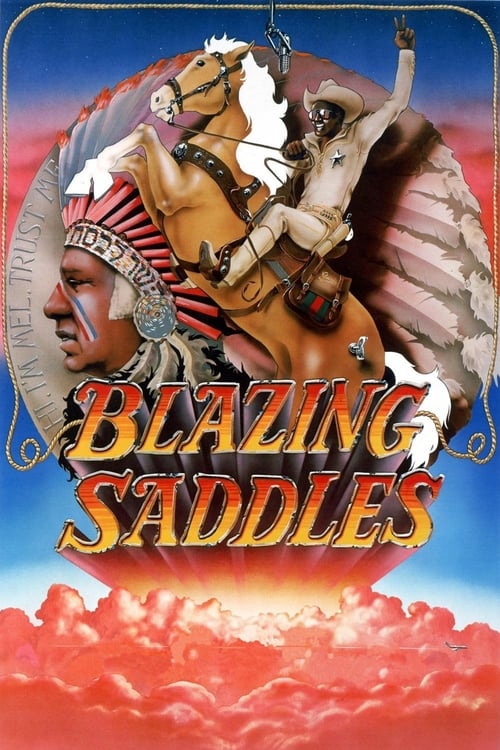
Blazing Saddles
A town—where everyone seems to be named Johnson—stands in the way of the railroad. In order to grab their land, robber baron Hedley Lamarr sends his henchmen to make life in the town unbearable. After the sheriff is killed, the town demands a new sheriff from the Governor, so Hedley convinces him to send the town the first black sheriff in the west.
Despite its modest budget of $2.6M, Blazing Saddles became a commercial juggernaut, earning $119.5M worldwide—a remarkable 4496% return. The film's fresh perspective connected with viewers, confirming that strong storytelling can transcend budget limitations.
Nominated for 3 Oscars. 3 wins & 6 nominations


Plot Structure
Story beats plotted across runtime


Narrative Arc
Emotional journey through the story's key moments
Story Circle
Blueprint 15-beat structure
Arcplot Score Breakdown
Weighted: Precision (70%) + Arc (15%) + Theme (15%)
Blazing Saddles (1974) exhibits meticulously timed story structure, characteristic of Mel Brooks's storytelling approach. This structural analysis examines how the film's 15-point plot structure maps to proven narrative frameworks across 1 hour and 33 minutes. With an Arcplot score of 6.5, the film balances conventional beats with creative variation.
Characters
Cast & narrative archetypes

Bart
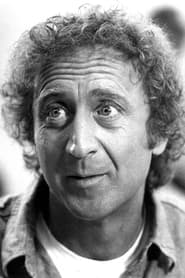
Jim (The Waco Kid)
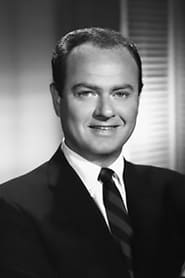
Hedley Lamarr

Governor William J. Lepetomane

Lili Von Shtupp
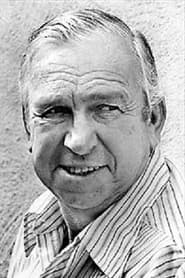
Taggart
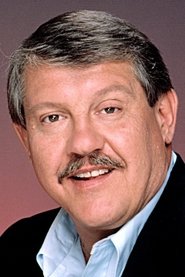
Mongo
Main Cast & Characters
Bart
Played by Cleavon Little
A railroad worker who becomes the first Black sheriff of Rock Ridge as part of a scheme to destroy the town.
Jim (The Waco Kid)
Played by Gene Wilder
A washed-up, alcoholic gunslinger who becomes Bart's loyal friend and ally.
Hedley Lamarr
Played by Harvey Korman
The corrupt Attorney General scheming to seize land by destroying Rock Ridge.
Governor William J. Lepetomane
Played by Mel Brooks
The bumbling, incompetent governor manipulated by Hedley Lamarr.
Lili Von Shtupp
Played by Madeline Kahn
A saloon singer and seductress hired by Hedley to seduce and distract Bart.
Taggart
Played by Slim Pickens
Hedley Lamarr's dimwitted henchman who leads raids against the railroad and town.
Mongo
Played by Alex Karras
A massive, simple-minded brute used by Hedley to intimidate the town of Rock Ridge.
Structural Analysis
The Status Quo at 1 minutes (1% through the runtime) establishes Black railroad workers sing spirituals while being brutalized by white overseers in the Old West, establishing the racist world Bart must navigate.. Notably, this early placement immediately immerses viewers in the story world.
The inciting incident occurs at 11 minutes when Hedley Lamarr conceives his scheme to appoint Bart, a Black man, as sheriff of Rock Ridge - intending it as a death sentence that will drive out the townspeople.. At 12% through the film, this Disruption aligns precisely with traditional story structure. This beat shifts the emotional landscape, launching the protagonist into the central conflict.
The First Threshold at 23 minutes marks the transition into Act II, occurring at 25% of the runtime. This indicates the protagonist's commitment to Bart rides into Rock Ridge and is met with guns drawn and the n-word. He escapes death by taking himself hostage in a brilliant display of wit over violence., moving from reaction to action.
At 46 minutes, the Midpoint arrives at 49% of the runtime—precisely centered, creating perfect narrative symmetry. Of particular interest, this crucial beat Bart defeats Lili Von Shtupp's seduction attempt by winning her over instead. She falls for him, giving Bart a false victory - he's gained acceptance through charm but Lamarr's army still threatens., fundamentally raising what's at risk. The emotional intensity shifts, dividing the narrative into clear before-and-after phases.
The Collapse moment at 69 minutes (74% through) represents the emotional nadir. Here, The townspeople tell Bart they'll leave rather than fight. Despite everything he's done, they still won't fully accept or support him - his dream of belonging seems dead., indicates the protagonist at their lowest point. This beat's placement in the final quarter sets up the climactic reversal.
The Second Threshold at 73 minutes initiates the final act resolution at 79% of the runtime. Bart devises the plan to build a fake Rock Ridge and recruit the railroad workers. He returns to the townspeople asking for their help - and their acceptance of Black workers as equals., demonstrating the transformation achieved throughout the journey.
Emotional Journey
Blazing Saddles's emotional architecture traces a deliberate progression across 15 carefully calibrated beats.
Narrative Framework
This structural analysis employs structural analysis methodology used to understand storytelling architecture. By mapping Blazing Saddles against these established plot points, we can identify how Mel Brooks utilizes or subverts traditional narrative conventions. The plot point approach reveals not only adherence to structural principles but also creative choices that distinguish Blazing Saddles within the western genre.
Mel Brooks's Structural Approach
Among the 8 Mel Brooks films analyzed on Arcplot, the average structural score is 7.1, reflecting strong command of classical structure. Blazing Saddles takes a more unconventional approach compared to the director's typical style. For comparative analysis, explore the complete Mel Brooks filmography.
Comparative Analysis
Additional western films include All the Pretty Horses, Shenandoah and Lone Star. For more Mel Brooks analyses, see High Anxiety, History of the World: Part I and Spaceballs.
Plot Points by Act
Act I
SetupStatus Quo
Black railroad workers sing spirituals while being brutalized by white overseers in the Old West, establishing the racist world Bart must navigate.
Theme
Taggart tells Lyle "You use your tongue prettier than a twenty dollar whore" - language and wit are weapons that can subvert power structures throughout the film.
Worldbuilding
The corrupt world is established: Hedley Lamarr schemes to steal land, the railroad exploits Black workers, and Rock Ridge represents ignorant frontier racism that must be overcome.
Disruption
Hedley Lamarr conceives his scheme to appoint Bart, a Black man, as sheriff of Rock Ridge - intending it as a death sentence that will drive out the townspeople.
Resistance
Governor Lepetomane is manipulated into signing Bart's appointment. Bart prepares to ride to Rock Ridge, understanding the danger but seeing an opportunity to prove himself.
Act II
ConfrontationFirst Threshold
Bart rides into Rock Ridge and is met with guns drawn and the n-word. He escapes death by taking himself hostage in a brilliant display of wit over violence.
Mirror World
Bart meets Jim "The Waco Kid" in jail - a washed-up gunslinger who becomes his first ally, showing that genuine human connection transcends racial boundaries.
Premise
Bart uses wit and charm to slowly win over Rock Ridge: defeating Mongo with an exploding candy gram, seducing Lili Von Shtupp, and proving his competence as sheriff.
Midpoint
Bart defeats Lili Von Shtupp's seduction attempt by winning her over instead. She falls for him, giving Bart a false victory - he's gained acceptance through charm but Lamarr's army still threatens.
Opposition
Hedley Lamarr recruits an army of villains - murderers, rustlers, Methodist ministers. The townspeople learn of the coming attack and initially plan to abandon Rock Ridge.
Collapse
The townspeople tell Bart they'll leave rather than fight. Despite everything he's done, they still won't fully accept or support him - his dream of belonging seems dead.
Crisis
Bart and Jim sit in despair. Jim acknowledges the townspeople are "morons" but suggests they're worth saving anyway. Bart processes rejection and finds new resolve.
Act III
ResolutionSecond Threshold
Bart devises the plan to build a fake Rock Ridge and recruit the railroad workers. He returns to the townspeople asking for their help - and their acceptance of Black workers as equals.
Synthesis
The townspeople and railroad workers unite to build the fake town. The villains are trapped. The battle breaks the fourth wall, spilling onto the Warner Bros. lot in glorious meta-chaos.
Transformation
Bart and Jim ride off together as heroes. The townspeople offer Bart permanent residency, but he chooses freedom. He's transformed from victim to victor, no longer needing others' validation.