
Blue Collar
Three workers, Zeke (Richard Pryor), Jerry (Harvey Keitel), and Smokey (Yaphet Kotto), are working at a car plant and drinking their beers together. One night, when they steal away from their wives to have some fun, they get the idea to rob the local union's bureau safe. First they think it is a flop, because they get only six hundred dollars out of it, but then Zeke realizes that they also have gotten some "hot" material. They decide to blackmail their union. The best reason for that is the union itself. All three are provoked by the fact that the union claims to have lost ten thousand dollars by their robbery.
Despite its small-scale budget of $1.7M, Blue Collar became a commercial success, earning $6.5M worldwide—a 284% return. The film's bold vision resonated with audiences, demonstrating that strong storytelling can transcend budget limitations.
1 win & 2 nominations


Plot Structure
Story beats plotted across runtime


Narrative Arc
Emotional journey through the story's key moments
Story Circle
Blueprint 15-beat structure
Arcplot Score Breakdown
Weighted: Precision (70%) + Arc (15%) + Theme (15%)
Blue Collar (1978) showcases strategically placed story structure, characteristic of Paul Schrader's storytelling approach. This structural analysis examines how the film's 15-point plot structure maps to proven narrative frameworks across 1 hour and 54 minutes. With an Arcplot score of 6.7, the film balances conventional beats with creative variation.
Characters
Cast & narrative archetypes
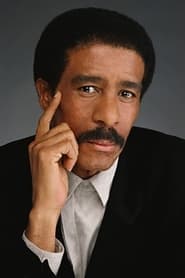
Zeke Brown

Jerry Bartowski

Smokey James

Arlene Bartowski
Main Cast & Characters
Zeke Brown
Played by Richard Pryor
An auto worker and family man struggling with debt who becomes radicalized by union corruption.
Jerry Bartowski
Played by Harvey Keitel
A working-class Polish American auto worker who turns to desperate measures to escape financial hardship.
Smokey James
Played by Yaphet Kotto
An ex-convict factory worker who initiates the union office break-in that spirals into corruption.
Arlene Bartowski
Played by Penelope Milford
Jerry's wife who struggles to manage household finances while Jerry works long hours at the plant.
Structural Analysis
The Status Quo at 1 minutes (1% through the runtime) establishes Zeke struggles on the assembly line at the auto plant, fingers bleeding from repetitive work, establishing the brutal working conditions and financial desperation of blue-collar life.. Of particular interest, this early placement immediately immerses viewers in the story world.
The inciting incident occurs at 15 minutes when The IRS demands $2,500 in back taxes from Zeke, threatening to garnish his wages. This financial crisis, combined with the union's refusal to help and their corruption, pushes Zeke toward desperate action.. At 13% through the film, this Disruption is delayed, allowing extended setup of the story world. This beat shifts the emotional landscape, launching the protagonist into the central conflict.
The First Threshold at 29 minutes marks the transition into Act II, occurring at 26% of the runtime. This illustrates the protagonist's commitment to The three men break into the union office at night to rob the safe. They actively choose to commit the crime, crossing from exploited workers into criminals, entering a world of consequences they cannot foresee., moving from reaction to action.
At 57 minutes, the Midpoint arrives at 50% of the runtime—precisely centered, creating perfect narrative symmetry. Structural examination shows that this crucial beat Smokey meets with the FBI and seems ready to turn over the ledger, but he's clearly being pressured from all sides. The union offers Jerry a position as shop steward. The stakes raise as the system begins to divide the three friends., fundamentally raising what's at risk. The emotional intensity shifts, dividing the narrative into clear before-and-after phases.
The Collapse moment at 86 minutes (75% through) represents the emotional nadir. Here, Smokey is found dead in his locker, an apparent suicide by overdose, but clearly murdered by the union. The death of their friend—the literal "whiff of death"—represents the destruction of their solidarity and hope., reveals the protagonist at their lowest point. This beat's placement in the final quarter sets up the climactic reversal.
The Second Threshold at 92 minutes initiates the final act resolution at 81% of the runtime. At the funeral, Zeke and Jerry have a final confrontation where the system's truth becomes clear: they've been divided and conquered. Jerry has been co-opted, Zeke isolated, Smokey eliminated. They see how the machine works but are powerless to stop it., demonstrating the transformation achieved throughout the journey.
Emotional Journey
Blue Collar's emotional architecture traces a deliberate progression across 15 carefully calibrated beats.
Narrative Framework
This structural analysis employs a 15-point narrative structure framework that maps key story moments. By mapping Blue Collar against these established plot points, we can identify how Paul Schrader utilizes or subverts traditional narrative conventions. The plot point approach reveals not only adherence to structural principles but also creative choices that distinguish Blue Collar within the crime genre.
Paul Schrader's Structural Approach
Among the 6 Paul Schrader films analyzed on Arcplot, the average structural score is 6.9, demonstrating varied approaches to story architecture. Blue Collar takes a more unconventional approach compared to the director's typical style. For comparative analysis, explore the complete Paul Schrader filmography.
Comparative Analysis
Additional crime films include The Bad Guys, Rustom and The Whole Ten Yards. For more Paul Schrader analyses, see Cat People, Affliction and Light of Day.
Plot Points by Act
Act I
SetupStatus Quo
Zeke struggles on the assembly line at the auto plant, fingers bleeding from repetitive work, establishing the brutal working conditions and financial desperation of blue-collar life.
Theme
At the bar, a union worker tells the three friends: "They pit the lifers against the new boy, the young against the old, the black against the white. Everything they do is to keep us in our place." The system divides workers to control them.
Worldbuilding
Introduction to Zeke, Jerry, and Smokey as struggling auto workers facing financial pressure, inadequate union representation, and family struggles. We see the factory, the union hall, their homes, and the gap between their labor and their ability to survive.
Disruption
The IRS demands $2,500 in back taxes from Zeke, threatening to garnish his wages. This financial crisis, combined with the union's refusal to help and their corruption, pushes Zeke toward desperate action.
Resistance
Zeke proposes robbing the union safe to get back their own money. Jerry and Smokey resist, debate the morality and risks, but ultimately their desperation and anger at the corrupt union overcome their hesitation. They plan the heist.
Act II
ConfrontationFirst Threshold
The three men break into the union office at night to rob the safe. They actively choose to commit the crime, crossing from exploited workers into criminals, entering a world of consequences they cannot foresee.
Mirror World
Instead of finding cash, they discover a ledger in the safe documenting illegal union loans. This evidence of corruption represents their potential power—and introduces the moral complexity that will define the second act.
Premise
The friends attempt to use the ledger as leverage, navigating between the union bosses and FBI. They experience brief hope of escaping their circumstances, bonding over their shared secret while tension builds as both sides try to manipulate them.
Midpoint
Smokey meets with the FBI and seems ready to turn over the ledger, but he's clearly being pressured from all sides. The union offers Jerry a position as shop steward. The stakes raise as the system begins to divide the three friends.
Opposition
The union and management actively work to split apart the three friends. Jerry accepts the union position and becomes corrupted. Zeke is pressured. Smokey becomes increasingly paranoid and isolated. Their friendship fractures under systematic pressure.
Collapse
Smokey is found dead in his locker, an apparent suicide by overdose, but clearly murdered by the union. The death of their friend—the literal "whiff of death"—represents the destruction of their solidarity and hope.
Crisis
Zeke and Jerry reel from Smokey's death. At the funeral, they barely speak. The emotional darkness of loss, guilt, and the realization that the system has won. They process that their attempt to fight back has destroyed their friendship and killed Smokey.
Act III
ResolutionSecond Threshold
At the funeral, Zeke and Jerry have a final confrontation where the system's truth becomes clear: they've been divided and conquered. Jerry has been co-opted, Zeke isolated, Smokey eliminated. They see how the machine works but are powerless to stop it.
Synthesis
Zeke is pushed into becoming a militant activist, while Jerry becomes a union bureaucrat. The final scenes show them on opposite sides, no longer friends. The system has successfully divided them along the exact lines predicted in the theme statement.
Transformation
Zeke and Jerry face each other across the factory floor—Zeke now a radical, Jerry now management. Where they once were brothers united against the system, they are now enemies, exactly as the system designed. The workers remain divided and powerless.