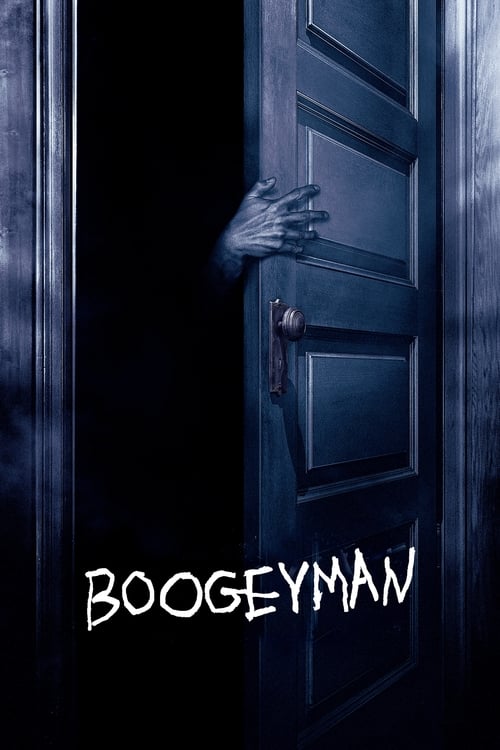
Boogeyman
Every culture has one – the horrible monster fueling young children's nightmares. But for Tim, the Boogeyman still lives in his memories as a creature that devoured his father 16 years ago. Is the Boogeyman real, or did Tim make it up to explain why his father abandoned his family?
Despite a moderate budget of $20.0M, Boogeyman became a financial success, earning $67.2M worldwide—a 236% return.

Plot Structure
Story beats plotted across runtime


Narrative Arc
Emotional journey through the story's key moments
Story Circle
Blueprint 15-beat structure
Arcplot Score Breakdown
Weighted: Precision (70%) + Arc (15%) + Theme (15%)
Boogeyman (2005) reveals carefully calibrated dramatic framework, characteristic of Stephen Kay's storytelling approach. This structural analysis examines how the film's 15-point plot structure maps to proven narrative frameworks across 1 hour and 29 minutes. With an Arcplot score of 7.2, the film balances conventional beats with creative variation.
Characters
Cast & narrative archetypes

Tim Jensen
Kate Houghton
Jessica
Franny Roberts
Main Cast & Characters
Tim Jensen
Played by Barry Watson
A young man haunted by childhood trauma who returns to his family home to confront the supernatural entity that took his father.
Kate Houghton
Played by Emily Deschanel
Tim's supportive girlfriend who tries to help him overcome his fears and face his past.
Jessica
Played by Skye McCole Bartusiak
Tim's childhood friend who shares memories of the traumatic events that shaped their youth.
Franny Roberts
Played by Tory Mussett
A young girl Tim encounters who is also being terrorized by the Boogeyman.
Structural Analysis
The Status Quo at 1 minutes (1% through the runtime) establishes Young Tim hides in bed as his father performs the nightly closet check ritual, establishing Tim's deep-seated fear of the dark and what lurks within closets - a childhood defined by terror.. Structural examination shows that this early placement immediately immerses viewers in the story world.
The inciting incident occurs at 11 minutes when Tim receives news that his mother has died, forcing him to return to his childhood home - the very place where his nightmares began and where the Boogeyman took his father.. At 12% through the film, this Disruption aligns precisely with traditional story structure. This beat shifts the emotional landscape, launching the protagonist into the central conflict.
The First Threshold at 22 minutes marks the transition into Act II, occurring at 25% of the runtime. This shows the protagonist's commitment to Tim makes the active choice to spend the night alone in his childhood home, crossing the threshold from his safe adult life into the terrifying domain of his past and the Boogeyman's territory., moving from reaction to action.
At 45 minutes, the Midpoint arrives at 50% of the runtime—precisely centered, creating perfect narrative symmetry. Significantly, this crucial beat The Boogeyman takes Jessica, pulling her into the closet dimension. This false defeat proves the monster is real and deadly - Tim can no longer rationalize his fears as psychological. The stakes become life and death., fundamentally raising what's at risk. The emotional intensity shifts, dividing the narrative into clear before-and-after phases.
The Collapse moment at 67 minutes (75% through) represents the emotional nadir. Here, The Boogeyman takes Kate into the closet dimension, and Tim finds evidence suggesting everyone he loves will be consumed. He stands alone, seemingly powerless against an entity that has haunted him his entire life - his ultimate nightmare realized., reveals the protagonist at their lowest point. This beat's placement in the final quarter sets up the climactic reversal.
The Second Threshold at 71 minutes initiates the final act resolution at 80% of the runtime. Tim realizes the Boogeyman's power comes from fear itself - by truly ceasing to be afraid, he can weaken the creature. Armed with this synthesis of his therapeutic journey and supernatural truth, he chooses to confront the monster directly., demonstrating the transformation achieved throughout the journey.
Emotional Journey
Boogeyman's emotional architecture traces a deliberate progression across 15 carefully calibrated beats.
Narrative Framework
This structural analysis employs systematic plot point analysis that identifies crucial turning points. By mapping Boogeyman against these established plot points, we can identify how Stephen Kay utilizes or subverts traditional narrative conventions. The plot point approach reveals not only adherence to structural principles but also creative choices that distinguish Boogeyman within the thriller genre.
Stephen Kay's Structural Approach
Among the 2 Stephen Kay films analyzed on Arcplot, the average structural score is 7.1, reflecting strong command of classical structure. Boogeyman represents one of the director's most structurally precise works. For comparative analysis, explore the complete Stephen Kay filmography.
Comparative Analysis
Additional thriller films include The Warriors, Thunderball and Rustom. For more Stephen Kay analyses, see Get Carter.
Plot Points by Act
Act I
SetupStatus Quo
Young Tim hides in bed as his father performs the nightly closet check ritual, establishing Tim's deep-seated fear of the dark and what lurks within closets - a childhood defined by terror.
Theme
Tim's father tells him "There's nothing to be afraid of" and assures him the Boogeyman isn't real - stating the thematic question of whether confronting our childhood fears destroys or validates them.
Worldbuilding
Establishes Tim's traumatic past - witnessing his father dragged into the closet by the Boogeyman. Adult Tim lives in fear, avoiding closets and dark spaces, in a relationship with Jessica, and seeing a psychiatrist to cope with his childhood trauma.
Disruption
Tim receives news that his mother has died, forcing him to return to his childhood home - the very place where his nightmares began and where the Boogeyman took his father.
Resistance
Tim debates returning home, with his psychiatrist Dr. Allen encouraging him to spend one night in the house to confront his fears. Jessica offers support but Tim resists, torn between running from his past and facing it.
Act II
ConfrontationFirst Threshold
Tim makes the active choice to spend the night alone in his childhood home, crossing the threshold from his safe adult life into the terrifying domain of his past and the Boogeyman's territory.
Mirror World
Tim encounters Kate, a young woman from his past who also experienced strange occurrences as a child. She represents the thematic mirror - someone who never stopped believing in the Boogeyman and validates Tim's suppressed memories.
Premise
Tim explores the decrepit house, experiencing supernatural phenomena - objects moving, glimpses of the creature, childhood memories flooding back. The horror premise delivers as closets become portals and Tim realizes the Boogeyman is very real.
Midpoint
The Boogeyman takes Jessica, pulling her into the closet dimension. This false defeat proves the monster is real and deadly - Tim can no longer rationalize his fears as psychological. The stakes become life and death.
Opposition
Tim desperately searches for answers, discovering the Boogeyman feeds on fear and has been taking children for generations. Kate helps him research but the creature grows stronger, taking more victims and tormenting Tim with visions of the dead.
Collapse
The Boogeyman takes Kate into the closet dimension, and Tim finds evidence suggesting everyone he loves will be consumed. He stands alone, seemingly powerless against an entity that has haunted him his entire life - his ultimate nightmare realized.
Crisis
Tim descends into despair in the dark house, surrounded by the ghosts of the Boogeyman's victims. He must choose between fleeing and abandoning everyone to the creature, or facing his deepest terror with the risk of joining the dead.
Act III
ResolutionSecond Threshold
Tim realizes the Boogeyman's power comes from fear itself - by truly ceasing to be afraid, he can weaken the creature. Armed with this synthesis of his therapeutic journey and supernatural truth, he chooses to confront the monster directly.
Synthesis
Tim enters the closet dimension to face the Boogeyman in its realm. By confronting his fear rather than running, he weakens the creature. In the climactic battle, Tim destroys the Boogeyman by refusing to give it the fear it needs to survive.
Transformation
Tim walks away from the destroyed childhood home, finally free from the terror that defined his life. The man who couldn't face a closet has conquered his ultimate fear - transformed from victim to victor over the darkness.