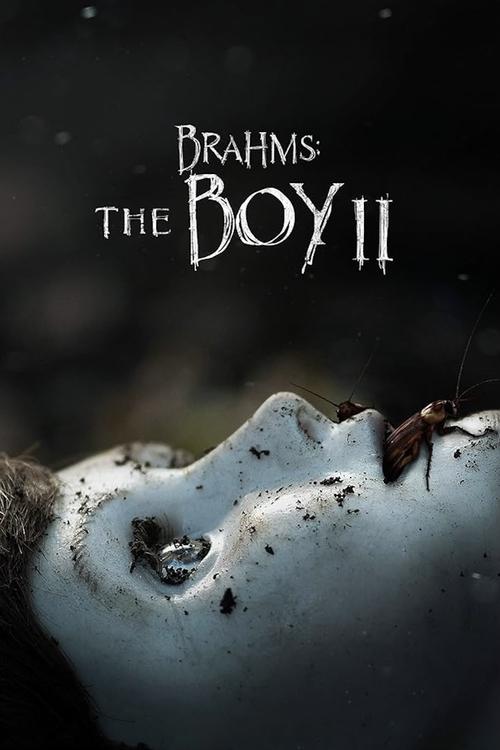
Brahms: The Boy II
After a family moves into the Heelshire Mansion, their young son soon makes friends with a life-like doll called Brahms.
Despite its tight budget of $10.0M, Brahms: The Boy II became a commercial success, earning $20.3M worldwide—a 103% return.
1 win & 2 nominations


Plot Structure
Story beats plotted across runtime


Narrative Arc
Emotional journey through the story's key moments
Story Circle
Blueprint 15-beat structure
Arcplot Score Breakdown
Weighted: Precision (70%) + Arc (15%) + Theme (15%)
Brahms: The Boy II (2020) exhibits precise narrative design, characteristic of William Brent Bell's storytelling approach. This structural analysis examines how the film's 15-point plot structure maps to proven narrative frameworks across 1 hour and 26 minutes. With an Arcplot score of 7.0, the film balances conventional beats with creative variation.
Characters
Cast & narrative archetypes

Liza
Jude
Sean
Brahms
Joseph
Main Cast & Characters
Liza
Played by Katie Holmes
A mother recovering from trauma who moves her family to a guest house, where her son bonds with a mysterious doll named Brahms.
Jude
Played by Christopher Convery
A young boy who has stopped speaking after witnessing a violent home invasion, who finds and becomes attached to the Brahms doll.
Sean
Played by Owain Yeoman
Liza's supportive husband who tries to help his family heal while growing concerned about the doll's influence on Jude.
Brahms
Played by Unknown
A porcelain doll that Jude discovers buried in the woods, which appears to have a sinister supernatural influence.
Joseph
Played by Ralph Ineson
A mysterious groundskeeper at the estate who knows the dark history of the Brahms doll and tries to warn the family.
Structural Analysis
The Status Quo at 1 minutes (1% through the runtime) establishes Liza and her family live a normal suburban life; she helps her son Jude with homework while her husband Sean works. A picture of domestic normalcy before trauma shatters it.. Of particular interest, this early placement immediately immerses viewers in the story world.
The inciting incident occurs at 11 minutes when The family arrives at the guesthouse on the Heelshire estate for a healing retreat, unaware they're entering the domain of something malevolent. The move is meant to help but will bring new horrors.. At 13% through the film, this Disruption is delayed, allowing extended setup of the story world. This beat shifts the emotional landscape, launching the protagonist into the central conflict.
The First Threshold at 22 minutes marks the transition into Act II, occurring at 25% of the runtime. This shows the protagonist's commitment to Liza and Sean allow Jude to keep Brahms despite their reservations, accepting the doll into their home and lives. This choice opens the door to Brahms's influence over their son and family., moving from reaction to action.
At 43 minutes, the Midpoint arrives at 50% of the runtime—precisely centered, creating perfect narrative symmetry. Of particular interest, this crucial beat Liza discovers that the real Brahms Heelshire was a disturbed child who killed another girl and supposedly died in a fire. The doll isn't a comfort object - it's connected to something evil. The stakes fundamentally shift from healing trauma to survival., fundamentally raising what's at risk. The emotional intensity shifts, dividing the narrative into clear before-and-after phases.
The Collapse moment at 65 minutes (75% through) represents the emotional nadir. Here, Jude, fully under Brahms's control, attacks Sean and injures him severely. The family dog is killed. Liza realizes her son may be lost forever to the entity possessing him through the doll. Her worst nightmare - losing her child - is becoming reality., reveals the protagonist at their lowest point. This beat's placement in the final quarter sets up the climactic reversal.
The Second Threshold at 69 minutes initiates the final act resolution at 80% of the runtime. Liza discovers the truth about Brahms - the doll contains a demonic entity that possessed the original Brahms and now wants Jude. She realizes she must confront and destroy the doll directly, no matter what form it takes., demonstrating the transformation achieved throughout the journey.
Emotional Journey
Brahms: The Boy II's emotional architecture traces a deliberate progression across 15 carefully calibrated beats.
Narrative Framework
This structural analysis employs a 15-point narrative structure framework that maps key story moments. By mapping Brahms: The Boy II against these established plot points, we can identify how William Brent Bell utilizes or subverts traditional narrative conventions. The plot point approach reveals not only adherence to structural principles but also creative choices that distinguish Brahms: The Boy II within the horror genre.
William Brent Bell's Structural Approach
Among the 5 William Brent Bell films analyzed on Arcplot, the average structural score is 7.0, reflecting strong command of classical structure. Brahms: The Boy II takes a more unconventional approach compared to the director's typical style. For comparative analysis, explore the complete William Brent Bell filmography.
Comparative Analysis
Additional horror films include Thinner, A Nightmare on Elm Street and Mary Reilly. For more William Brent Bell analyses, see Orphan: First Kill, The Boy and Separation.
Plot Points by Act
Act I
SetupStatus Quo
Liza and her family live a normal suburban life; she helps her son Jude with homework while her husband Sean works. A picture of domestic normalcy before trauma shatters it.
Theme
The therapist discusses how trauma can make children retreat into fantasy and imagination as a coping mechanism, foreshadowing Jude's attachment to Brahms as a way to process his fear and silence.
Worldbuilding
The home invasion traumatizes Liza and renders Jude mute. Months later, the family struggles with the aftermath - Jude won't speak, Liza has nightmares, and therapy isn't helping. Sean suggests a change of scenery.
Disruption
The family arrives at the guesthouse on the Heelshire estate for a healing retreat, unaware they're entering the domain of something malevolent. The move is meant to help but will bring new horrors.
Resistance
Jude explores the woods and discovers the Brahms doll buried in the ground. He forms an immediate attachment to it. Liza and Sean are initially encouraged as Jude begins communicating again through the doll, though Liza feels uneasy about the toy.
Act II
ConfrontationFirst Threshold
Liza and Sean allow Jude to keep Brahms despite their reservations, accepting the doll into their home and lives. This choice opens the door to Brahms's influence over their son and family.
Mirror World
Jude presents Brahms's list of rules that must be followed - never leave him alone, kiss him goodnight, feed him meals. This mirrors the control and fear from the home invasion, with Jude now enforcing rules rather than being a victim.
Premise
The family navigates life with Brahms. Strange occurrences escalate - the doll seems to move on its own, Jude's behavior becomes increasingly disturbing, and Liza discovers unsettling history about the Heelshire family and their son Brahms.
Midpoint
Liza discovers that the real Brahms Heelshire was a disturbed child who killed another girl and supposedly died in a fire. The doll isn't a comfort object - it's connected to something evil. The stakes fundamentally shift from healing trauma to survival.
Opposition
Brahms's hold over Jude intensifies. The boy becomes hostile and violent, attacking another child and threatening his parents. Liza tries to get rid of the doll but it keeps returning. Sean begins to doubt Liza's sanity as she insists the doll is supernatural.
Collapse
Jude, fully under Brahms's control, attacks Sean and injures him severely. The family dog is killed. Liza realizes her son may be lost forever to the entity possessing him through the doll. Her worst nightmare - losing her child - is becoming reality.
Crisis
Liza desperately searches for a way to save Jude while Sean lies injured. She realizes the doll itself must be destroyed to break its hold. But Brahms won't let anyone separate him from his new vessel.
Act III
ResolutionSecond Threshold
Liza discovers the truth about Brahms - the doll contains a demonic entity that possessed the original Brahms and now wants Jude. She realizes she must confront and destroy the doll directly, no matter what form it takes.
Synthesis
Liza confronts Brahms in the main Heelshire mansion. The doll manifests supernatural power, but Liza's maternal love and determination allow her to fight back. She ultimately destroys the porcelain doll, shattering it and breaking its hold on Jude.
Transformation
Jude is freed from Brahms's influence and speaks again - truly himself. The family leaves the estate together, traumatized but united. However, the final shot reveals Brahms's shattered face reforming, suggesting evil cannot be permanently destroyed.