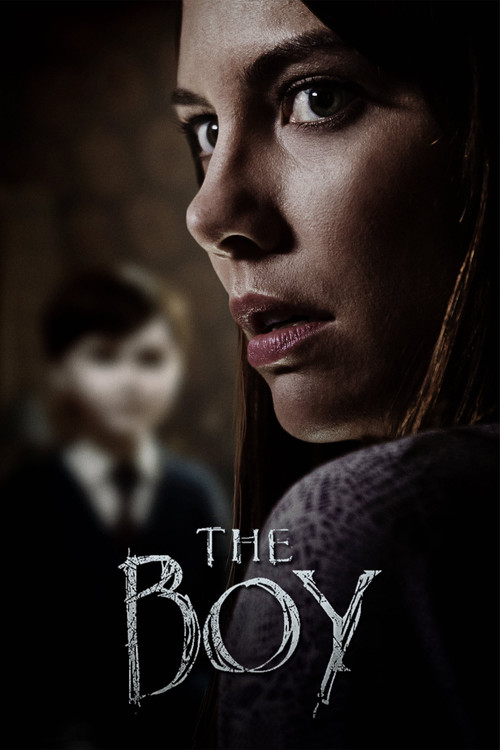
The Boy
A young American woman takes a job as a nanny in a remote English village, soon discovering that the family's eight-year-old son is a life-sized doll that comes with a list of strict rules.
Despite its limited budget of $10.0M, The Boy became a massive hit, earning $73.9M worldwide—a remarkable 639% return. The film's innovative storytelling found its audience, demonstrating that strong storytelling can transcend budget limitations.


Plot Structure
Story beats plotted across runtime


Narrative Arc
Emotional journey through the story's key moments
Story Circle
Blueprint 15-beat structure
Arcplot Score Breakdown
Weighted: Precision (70%) + Arc (15%) + Theme (15%)
The Boy (2016) reveals meticulously timed story structure, characteristic of William Brent Bell's storytelling approach. This structural analysis examines how the film's 15-point plot structure maps to proven narrative frameworks across 1 hour and 38 minutes. With an Arcplot score of 6.9, the film balances conventional beats with creative variation.
Characters
Cast & narrative archetypes

Greta Evans
Malcolm
Cole
Mrs. Heelshire
Mr. Heelshire
Brahms Heelshire
Main Cast & Characters
Greta Evans
Played by Lauren Cohan
An American nanny who travels to England to care for what turns out to be a life-sized porcelain doll named Brahms.
Malcolm
Played by Rupert Evans
A friendly local grocer who delivers supplies to the Heelshire estate and becomes Greta's ally and romantic interest.
Cole
Played by Ben Robson
Greta's abusive ex-boyfriend who tracks her down to England, threatening her safety and disrupting her new life.
Mrs. Heelshire
Played by Diana Hardcastle
Brahms' elderly mother who hires Greta and maintains strict rules about caring for the doll before leaving on vacation.
Mr. Heelshire
Played by Jim Norton
Brahms' elderly father who is protective of the doll and insists Greta follow the established rules precisely.
Brahms Heelshire
Played by James Russell
The mysterious presence within the walls who has been living in secret since childhood, obsessed with Greta.
Structural Analysis
The Status Quo at 1 minutes (1% through the runtime) establishes Greta arrives in rural England, escaping her troubled past in America. She appears hopeful for a fresh start as a nanny, though hints of something she's running from linger in her demeanor.. Significantly, this early placement immediately immerses viewers in the story world.
The inciting incident occurs at 12 minutes when The Heelshires depart for their holiday, leaving Greta alone with the doll. She discovers they have no intention of returning, having planned their suicide. Greta is now trapped in an isolated mansion with an unsettling responsibility.. At 13% through the film, this Disruption is delayed, allowing extended setup of the story world. This beat shifts the emotional landscape, launching the protagonist into the central conflict.
The First Threshold at 25 minutes marks the transition into Act II, occurring at 25% of the runtime. This reveals the protagonist's commitment to After discovering Brahms has moved on his own and her dress is laid out, Greta makes the active choice to follow the rules and treat Brahms as if he's alive. She commits to understanding what's happening rather than fleeing., moving from reaction to action.
At 49 minutes, the Midpoint arrives at 50% of the runtime—precisely centered, creating perfect narrative symmetry. Structural examination shows that this crucial beat Cole, Greta's abusive ex-boyfriend, arrives from America, having tracked her down. This false defeat shatters Greta's newfound peace and safety. The past she was running from has caught up with her, and the stakes dramatically escalate., fundamentally raising what's at risk. The emotional intensity shifts, dividing the narrative into clear before-and-after phases.
The Collapse moment at 74 minutes (75% through) represents the emotional nadir. Here, Cole violently smashes the Brahms doll, destroying it completely. This metaphorical death represents the destruction of Greta's coping mechanism and the illusion of safety. All protection is gone, and Cole prepares to take Greta by force., shows the protagonist at their lowest point. This beat's placement in the final quarter sets up the climactic reversal.
The Second Threshold at 78 minutes initiates the final act resolution at 80% of the runtime. The real Brahms—a grown man who has been living in the walls of the house his entire life—bursts through the mirror. The truth is revealed: there was never a ghost, but a living person. This new information gives Greta a chance to survive through understanding., demonstrating the transformation achieved throughout the journey.
Emotional Journey
The Boy's emotional architecture traces a deliberate progression across 15 carefully calibrated beats.
Narrative Framework
This structural analysis employs a 15-point narrative structure framework that maps key story moments. By mapping The Boy against these established plot points, we can identify how William Brent Bell utilizes or subverts traditional narrative conventions. The plot point approach reveals not only adherence to structural principles but also creative choices that distinguish The Boy within the horror genre.
William Brent Bell's Structural Approach
Among the 5 William Brent Bell films analyzed on Arcplot, the average structural score is 7.0, reflecting strong command of classical structure. The Boy takes a more unconventional approach compared to the director's typical style. For comparative analysis, explore the complete William Brent Bell filmography.
Comparative Analysis
Additional horror films include Thinner, A Nightmare on Elm Street and Mary Reilly. For more William Brent Bell analyses, see Brahms: The Boy II, Orphan: First Kill and Separation.
Plot Points by Act
Act I
SetupStatus Quo
Greta arrives in rural England, escaping her troubled past in America. She appears hopeful for a fresh start as a nanny, though hints of something she's running from linger in her demeanor.
Theme
Malcolm the grocery delivery man warns Greta about the house and the Heelshires: "There's something not right about this place." The theme of confronting reality versus delusion is introduced.
Worldbuilding
Greta meets the elderly Heelshires and discovers Brahms is a porcelain doll, not a real child. She learns the strict rules for caring for him, including reading to him, playing music, and never leaving him alone. The Heelshires treat the doll as their dead son.
Disruption
The Heelshires depart for their holiday, leaving Greta alone with the doll. She discovers they have no intention of returning, having planned their suicide. Greta is now trapped in an isolated mansion with an unsettling responsibility.
Resistance
Greta initially ignores the rules and treats Brahms as just a doll. Malcolm becomes a friend and potential love interest. Strange occurrences begin—objects move, music plays by itself, and Greta questions her sanity while debating whether to stay or leave.
Act II
ConfrontationFirst Threshold
After discovering Brahms has moved on his own and her dress is laid out, Greta makes the active choice to follow the rules and treat Brahms as if he's alive. She commits to understanding what's happening rather than fleeing.
Mirror World
Greta's relationship with Malcolm deepens as they bond over the strangeness of the situation. Malcolm represents normalcy and human connection, mirroring Greta's need to move past trauma and trust again.
Premise
Greta embraces caring for Brahms according to the rules. The doll seems to respond positively—supernatural events become helpful rather than threatening. She researches the real Brahms Heelshire, who died in a fire as a child. The "fun" of a supernatural nanny story plays out.
Midpoint
Cole, Greta's abusive ex-boyfriend, arrives from America, having tracked her down. This false defeat shatters Greta's newfound peace and safety. The past she was running from has caught up with her, and the stakes dramatically escalate.
Opposition
Cole's presence destabilizes everything. He mocks the Brahms situation and pressures Greta to leave with him. The supernatural activity intensifies in anger. Greta is caught between Cole's violence and Brahms' increasing possessiveness. Malcolm tries to help but is pushed away.
Collapse
Cole violently smashes the Brahms doll, destroying it completely. This metaphorical death represents the destruction of Greta's coping mechanism and the illusion of safety. All protection is gone, and Cole prepares to take Greta by force.
Crisis
In the dark aftermath, Greta is trapped with Cole, seemingly defenseless. She apologizes to the broken doll, processing that she's lost her supernatural protector. The house becomes deathly quiet, and Greta must face her abuser alone.
Act III
ResolutionSecond Threshold
The real Brahms—a grown man who has been living in the walls of the house his entire life—bursts through the mirror. The truth is revealed: there was never a ghost, but a living person. This new information gives Greta a chance to survive through understanding.
Synthesis
Brahms kills Cole, eliminating Greta's abuser but becoming a new threat. Greta must use everything she's learned about Brahms—his need for care, his rules, his childlike nature—to manipulate him and escape. She promises to stay, then tricks him and fights for her freedom with Malcolm's help.
Transformation
Greta and Malcolm escape the mansion together, having survived both her abusive past (Cole) and the house's dark secret (Brahms). She has transformed from a woman running from trauma into someone who confronted and overcame multiple threats. She has found agency and connection.