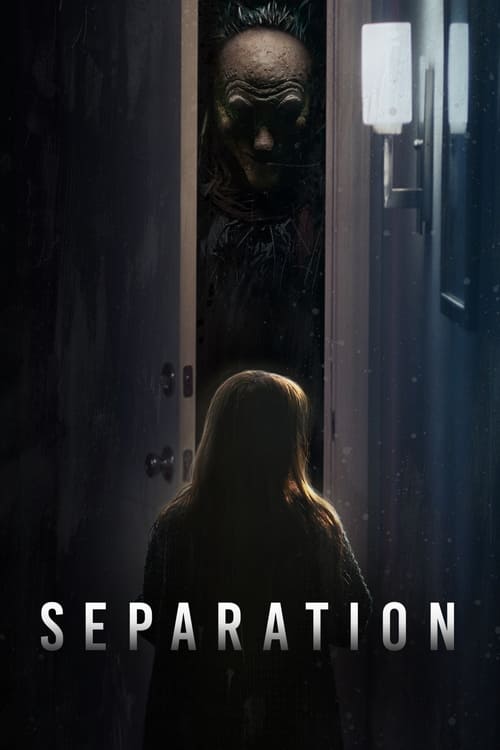
Separation
A young girl finds solace in her artist father and the ghost of her dead mother.
The film earned $4.5M at the global box office.


Plot Structure
Story beats plotted across runtime


Narrative Arc
Emotional journey through the story's key moments
Story Circle
Blueprint 15-beat structure
Arcplot Score Breakdown
Weighted: Precision (70%) + Arc (15%) + Theme (15%)
Separation (2021) exemplifies meticulously timed narrative architecture, characteristic of William Brent Bell's storytelling approach. This structural analysis examines how the film's 15-point plot structure maps to proven narrative frameworks across 1 hour and 47 minutes. With an Arcplot score of 7.4, the film balances conventional beats with creative variation.
Characters
Cast & narrative archetypes

Jeff Vahn
Maggie Vahn
Jenny Vahn
River Vahn
Samantha
Main Cast & Characters
Jeff Vahn
Played by Rupert Friend
A struggling artist and father fighting for custody of his daughter after his wife's death
Maggie Vahn
Played by Mamie Gummer
Jeff's estranged wife who dies early in the film, haunting the family thereafter
Jenny Vahn
Played by Violet McGraw
Jeff and Maggie's young daughter caught in the custody battle and supernatural events
River Vahn
Played by Brian Cox
Maggie's father and Jenny's grandfather who seeks custody after his daughter's death
Samantha
Played by Madeline Brewer
The nanny hired to help care for Jenny who becomes entangled in the supernatural events
Structural Analysis
The Status Quo at 1 minutes (1% through the runtime) establishes Jeff and Maggie's fractured marriage is evident as they argue about their daughter Jenny. Jeff struggles as an artist while Maggie wants divorce and custody.. Notably, this early placement immediately immerses viewers in the story world.
The inciting incident occurs at 12 minutes when Maggie dies in a tragic accident after an argument with Jeff. This catastrophic event changes everything and intensifies the custody situation with Paul.. At 11% through the film, this Disruption aligns precisely with traditional story structure. This beat shifts the emotional landscape, launching the protagonist into the central conflict.
The First Threshold at 27 minutes marks the transition into Act II, occurring at 26% of the runtime. This demonstrates the protagonist's commitment to Jeff commits to fighting for Jenny and being a real father. He chooses to stand up to Paul and prove himself capable, entering the battle for custody., moving from reaction to action.
At 54 minutes, the Midpoint arrives at 50% of the runtime—precisely centered, creating perfect narrative symmetry. The analysis reveals that this crucial beat The supernatural threat fully reveals itself. What seemed like grief-induced hallucinations are confirmed as real danger. The stakes raise from custody battle to Jenny's safety., fundamentally raising what's at risk. The emotional intensity shifts, dividing the narrative into clear before-and-after phases.
The Collapse moment at 78 minutes (73% through) represents the emotional nadir. Here, Jenny is taken/possessed by the supernatural force. Jeff faces the complete loss of his daughter—the ultimate failure as a parent. His worst fear manifested., indicates the protagonist at their lowest point. This beat's placement in the final quarter sets up the climactic reversal.
The Second Threshold at 86 minutes initiates the final act resolution at 80% of the runtime. Jeff realizes that true parental love means sacrifice and full commitment. He understands what he must do to save Jenny, combining his artistic knowledge with newfound paternal strength., demonstrating the transformation achieved throughout the journey.
Emotional Journey
Separation's emotional architecture traces a deliberate progression across 15 carefully calibrated beats.
Narrative Framework
This structural analysis employs a 15-point narrative structure framework that maps key story moments. By mapping Separation against these established plot points, we can identify how William Brent Bell utilizes or subverts traditional narrative conventions. The plot point approach reveals not only adherence to structural principles but also creative choices that distinguish Separation within the horror genre.
William Brent Bell's Structural Approach
Among the 5 William Brent Bell films analyzed on Arcplot, the average structural score is 7.0, reflecting strong command of classical structure. Separation represents one of the director's most structurally precise works. For comparative analysis, explore the complete William Brent Bell filmography.
Comparative Analysis
Additional horror films include Thinner, A Nightmare on Elm Street and Mary Reilly. For more William Brent Bell analyses, see Brahms: The Boy II, Orphan: First Kill and The Boy.
Plot Points by Act
Act I
SetupStatus Quo
Jeff and Maggie's fractured marriage is evident as they argue about their daughter Jenny. Jeff struggles as an artist while Maggie wants divorce and custody.
Theme
Maggie's father Paul tells Jeff: "You can't hide from your responsibilities." The theme of parental responsibility vs. artistic dreams is established.
Worldbuilding
Introduction to the family dynamics: Jeff's career struggles, Maggie's frustration, Jenny caught in the middle, and Paul's disapproval of Jeff. The custody battle escalates.
Disruption
Maggie dies in a tragic accident after an argument with Jeff. This catastrophic event changes everything and intensifies the custody situation with Paul.
Resistance
Jeff struggles with grief while trying to care for Jenny alone. Paul threatens legal action for custody. Jeff debates whether he can truly be the father Jenny needs.
Act II
ConfrontationFirst Threshold
Jeff commits to fighting for Jenny and being a real father. He chooses to stand up to Paul and prove himself capable, entering the battle for custody.
Mirror World
Jeff's relationship with Jenny deepens. She becomes the emotional center, teaching him what really matters beyond his art career—genuine connection and presence.
Premise
Supernatural events escalate as Maggie's presence seems to haunt the apartment. Jeff tries to balance parenting Jenny while strange occurrences intensify. His puppet creation "Grisly Kin" comes to life.
Midpoint
The supernatural threat fully reveals itself. What seemed like grief-induced hallucinations are confirmed as real danger. The stakes raise from custody battle to Jenny's safety.
Opposition
The malevolent entity grows stronger. Paul moves forward with custody proceedings. Jeff's grip on reality and his daughter weakens as supernatural and legal forces close in.
Collapse
Jenny is taken/possessed by the supernatural force. Jeff faces the complete loss of his daughter—the ultimate failure as a parent. His worst fear manifested.
Crisis
Jeff confronts his deepest guilt and failures as both husband and father. He must accept responsibility for his role in Maggie's death and his shortcomings as a parent.
Act III
ResolutionSecond Threshold
Jeff realizes that true parental love means sacrifice and full commitment. He understands what he must do to save Jenny, combining his artistic knowledge with newfound paternal strength.
Synthesis
Jeff confronts the supernatural entity using his puppet artistry and complete devotion to Jenny. The final battle integrates his creative skills with his role as protector and father.
Transformation
Jeff and Jenny emerge transformed. He has become the father he needed to be, and their bond is genuine. The artist who avoided responsibility is now fully present as a parent.