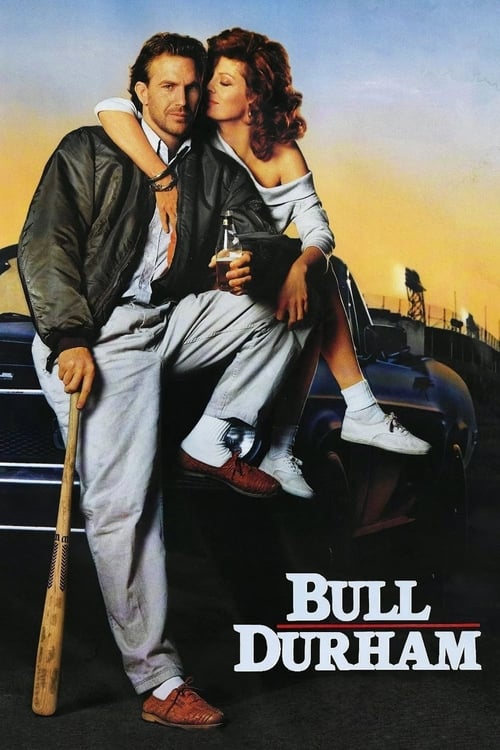
Bull Durham
Veteran catcher Crash Davis is brought to the minor league Durham Bulls to help their up and coming pitching prospect, "Nuke" Laloosh. Their relationship gets off to a rocky start and is further complicated when baseball groupie Annie Savoy sets her sights on the two men.
Despite its tight budget of $7.0M, Bull Durham became a commercial juggernaut, earning $50.9M worldwide—a remarkable 627% return. The film's innovative storytelling found its audience, confirming that strong storytelling can transcend budget limitations.
Nominated for 1 Oscar. 7 wins & 6 nominations


Plot Structure
Story beats plotted across runtime


Narrative Arc
Emotional journey through the story's key moments
Story Circle
Blueprint 15-beat structure
Arcplot Score Breakdown
Weighted: Precision (70%) + Arc (15%) + Theme (15%)
Bull Durham (1988) showcases deliberately positioned plot construction, characteristic of Ron Shelton's storytelling approach. This structural analysis examines how the film's 15-point plot structure maps to proven narrative frameworks across 1 hour and 48 minutes. With an Arcplot score of 7.0, the film balances conventional beats with creative variation.
Characters
Cast & narrative archetypes

Crash Davis
Annie Savoy
Ebby Calvin LaLoosh
Main Cast & Characters
Crash Davis
Played by Kevin Costner
Veteran minor league catcher brought in to mentor a talented but undisciplined young pitcher.
Annie Savoy
Played by Susan Sarandon
Baseball groupie and part-time English teacher who chooses one player each season to romance and mentor.
Ebby Calvin LaLoosh
Played by Tim Robbins
Young, talented but wild pitcher with a million-dollar arm and a five-cent head, nicknamed "Nuke".
Structural Analysis
The Status Quo at 1 minutes (1% through the runtime) establishes Annie Savoy's opening monologue establishes her world: the church of baseball, her annual ritual of choosing one player per season to mentor, and her belief in the spiritual and romantic power of the minor leagues.. Structural examination shows that this early placement immediately immerses viewers in the story world.
The inciting incident occurs at 13 minutes when Annie chooses Nuke over Crash as her "project" for the season. Crash is rejected despite his intelligence and experience, creating tension and setting up the love triangle that will drive the emotional story.. At 12% through the film, this Disruption aligns precisely with traditional story structure. This beat shifts the emotional landscape, launching the protagonist into the central conflict.
The First Threshold at 27 minutes marks the transition into Act II, occurring at 25% of the runtime. This indicates the protagonist's commitment to Crash commits to mentoring Nuke seriously, accepting his role despite the humiliation. He chooses to stay and do the job right, launching the "education of Ebby Calvin LaLoosh" and his own journey toward what comes after baseball., moving from reaction to action.
At 54 minutes, the Midpoint arrives at 50% of the runtime—precisely centered, creating perfect narrative symmetry. Notably, this crucial beat False victory: Nuke's winning streak peaks and he's called up to the major leagues. Annie and Crash are finally free to be together, but this "success" actually raises the stakes—what happens when the season that brought them together ends?., fundamentally raising what's at risk. The emotional intensity shifts, dividing the narrative into clear before-and-after phases.
The Collapse moment at 80 minutes (74% through) represents the emotional nadir. Here, Crash is released from the Bulls. His career in organized baseball dies. He faces the void of life after the game, losing his identity and purpose. The "whiff of death" is the death of his baseball career and who he has been., indicates the protagonist at their lowest point. This beat's placement in the final quarter sets up the climactic reversal.
The Second Threshold at 87 minutes initiates the final act resolution at 81% of the runtime. Crash realizes he's done with baseball and knows what he truly wants: Annie. He returns to Durham, having synthesized his experience—he can finally offer himself not as a ballplayer, but as a man ready for what's real., demonstrating the transformation achieved throughout the journey.
Emotional Journey
Bull Durham's emotional architecture traces a deliberate progression across 15 carefully calibrated beats.
Narrative Framework
This structural analysis employs a 15-point narrative structure framework that maps key story moments. By mapping Bull Durham against these established plot points, we can identify how Ron Shelton utilizes or subverts traditional narrative conventions. The plot point approach reveals not only adherence to structural principles but also creative choices that distinguish Bull Durham within the comedy genre.
Ron Shelton's Structural Approach
Among the 7 Ron Shelton films analyzed on Arcplot, the average structural score is 7.3, reflecting strong command of classical structure. Bull Durham takes a more unconventional approach compared to the director's typical style. For comparative analysis, explore the complete Ron Shelton filmography.
Comparative Analysis
Additional comedy films include The Bad Guys, Ella Enchanted and The Evening Star. For more Ron Shelton analyses, see White Men Can't Jump, Hollywood Homicide and Dark Blue.
Plot Points by Act
Act I
SetupStatus Quo
Annie Savoy's opening monologue establishes her world: the church of baseball, her annual ritual of choosing one player per season to mentor, and her belief in the spiritual and romantic power of the minor leagues.
Theme
Annie articulates the film's core theme: "The world is made for people who aren't cursed with self-awareness." The story explores maturity, what we worship, and the gap between talent and wisdom.
Worldbuilding
Introduction to the Durham Bulls minor league team, rookie phenom Nuke LaLoosh with "a million dollar arm and a five cent head," and veteran catcher Crash Davis arriving to manage the young pitcher. Annie's selection process between Crash and Nuke is established.
Disruption
Annie chooses Nuke over Crash as her "project" for the season. Crash is rejected despite his intelligence and experience, creating tension and setting up the love triangle that will drive the emotional story.
Resistance
Crash reluctantly accepts his role as Nuke's mentor on the field while wrestling with his attraction to Annie. He debates whether to stay in the minors or quit. Their relationship dynamic is established through conflict and witty banter.
Act II
ConfrontationFirst Threshold
Crash commits to mentoring Nuke seriously, accepting his role despite the humiliation. He chooses to stay and do the job right, launching the "education of Ebby Calvin LaLoosh" and his own journey toward what comes after baseball.
Mirror World
Crash and Annie have their first real connection on her porch, discussing poetry, life philosophy, and what they believe in. Annie represents the thematic counterpoint: she's found meaning outside the game itself.
Premise
The fun of minor league baseball: Crash teaches Nuke about "the Show," Annie educates Nuke in her own way (breathing, poetry, tantra), and the team goes on winning streaks. The romantic tension builds between all three characters.
Midpoint
False victory: Nuke's winning streak peaks and he's called up to the major leagues. Annie and Crash are finally free to be together, but this "success" actually raises the stakes—what happens when the season that brought them together ends?
Opposition
Crash and Annie begin a real relationship, but pressure builds: Crash is aging out of baseball, approaching the end of his career. His insecurities about his future surface. Annie must confront what she wants beyond her annual ritual.
Collapse
Crash is released from the Bulls. His career in organized baseball dies. He faces the void of life after the game, losing his identity and purpose. The "whiff of death" is the death of his baseball career and who he has been.
Crisis
Crash wanders, playing in another minor league town, alone with his thoughts. He breaks the minor league home run record—a bittersweet achievement, the best of a lesser league. He processes what his life has meant and what comes next.
Act III
ResolutionSecond Threshold
Crash realizes he's done with baseball and knows what he truly wants: Annie. He returns to Durham, having synthesized his experience—he can finally offer himself not as a ballplayer, but as a man ready for what's real.
Synthesis
Crash and Annie reunite. Nuke returns from the majors, humbled and still immature. Crash retires from playing. The season ends, and all three characters move forward: Nuke back to learning, Crash into a new life, Annie having found something beyond her ritual.
Transformation
Annie and Crash together in domesticity, preparing for a life beyond the diamond. The closing image mirrors the opening—Annie's monologue—but transformed: she's chosen substance over ritual, a real relationship over a seasonal project, maturity over the game.