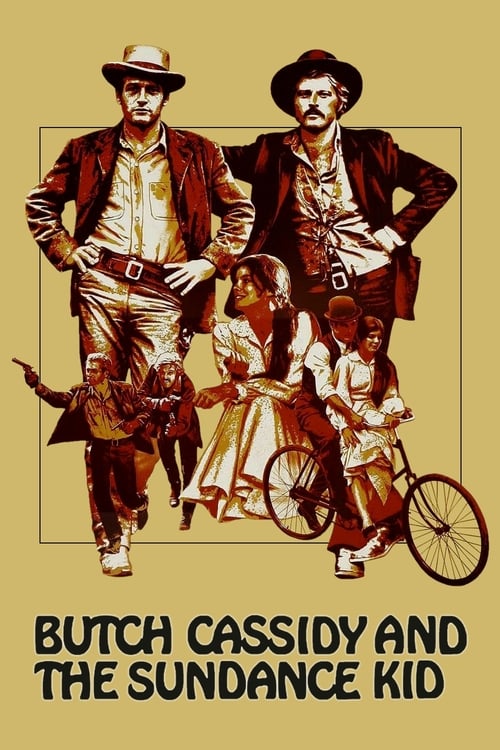
Butch Cassidy and the Sundance Kid
As the west rapidly becomes civilized, a pair of outlaws in 1890s Wyoming find themselves pursued by a posse and decide to flee to South America in hopes of evading the law.
Despite its small-scale budget of $6.0M, Butch Cassidy and the Sundance Kid became a box office phenomenon, earning $102.3M worldwide—a remarkable 1605% return. The film's compelling narrative attracted moviegoers, showing that strong storytelling can transcend budget limitations.
4 Oscars. 22 wins & 15 nominations


Plot Structure
Story beats plotted across runtime


Narrative Arc
Emotional journey through the story's key moments
Story Circle
Blueprint 15-beat structure
Arcplot Score Breakdown
Weighted: Precision (70%) + Arc (15%) + Theme (15%)
Butch Cassidy and the Sundance Kid (1969) showcases precise dramatic framework, characteristic of George Roy Hill's storytelling approach. This structural analysis examines how the film's 15-point plot structure maps to proven narrative frameworks across 1 hour and 51 minutes. With an Arcplot score of 6.9, the film balances conventional beats with creative variation.
Characters
Cast & narrative archetypes
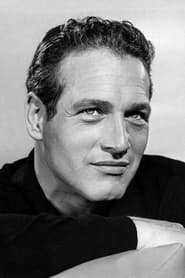
Butch Cassidy

Sundance Kid
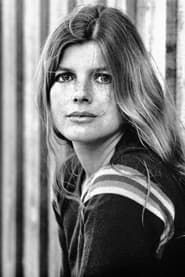
Etta Place
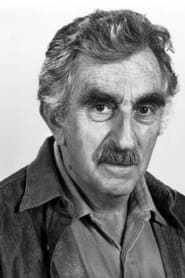
Percy Garris
Main Cast & Characters
Butch Cassidy
Played by Paul Newman
Charismatic leader of the Hole in the Wall Gang, charming outlaw who prefers brains over violence.
Sundance Kid
Played by Robert Redford
Butch's partner and fast-draw gunslinger, loyal but more cautious and volatile than Butch.
Etta Place
Played by Katharine Ross
Schoolteacher and Sundance's love interest, intelligent woman who joins the outlaws in Bolivia.
Percy Garris
Played by Jeff Corey
Lawman leading the relentless super posse that pursues Butch and Sundance across the country.
Structural Analysis
The Status Quo at 1 minutes (1% through the runtime) establishes Butch and Sundance operate as successful outlaws in the Old West, robbing trains with their Hole in the Wall Gang. They live a carefree, confident life of crime without serious consequences.. Notably, this early placement immediately immerses viewers in the story world.
The inciting incident occurs at 14 minutes when During what should be a routine train robbery, they discover the Union Pacific has hired a special super-posse led by lawman Joe Lefors to hunt them down and kill them. The railroad has changed the rules.. At 13% through the film, this Disruption is delayed, allowing extended setup of the story world. This beat shifts the emotional landscape, launching the protagonist into the central conflict.
The First Threshold at 28 minutes marks the transition into Act II, occurring at 25% of the runtime. This illustrates the protagonist's commitment to Cornered at a cliff edge by the relentless posse, Butch and Sundance make the active choice to jump off the cliff into the river below, symbolically leaving their old world behind. "I can't swim!" "The fall'll probably kill ya!"., moving from reaction to action.
At 56 minutes, the Midpoint arrives at 50% of the runtime—precisely centered, creating perfect narrative symmetry. Of particular interest, this crucial beat False victory: Butch and Sundance become successful bandits in Bolivia, robbing banks with ease. They believe they've escaped their past and found a new life. Stakes raise when they realize they're becoming too notorious even here., fundamentally raising what's at risk. The emotional intensity shifts, dividing the narrative into clear before-and-after phases.
The Collapse moment at 83 minutes (75% through) represents the emotional nadir. Here, After a violent shootout where they kill bandits as payroll guards, Etta decides to leave Bolivia and return to America. Her departure represents the death of their dream of a normal life and love. They are alone and trapped., reveals the protagonist at their lowest point. This beat's placement in the final quarter sets up the climactic reversal.
The Second Threshold at 89 minutes initiates the final act resolution at 80% of the runtime. Their robbery goes wrong when they're identified in a small Bolivian town. The entire Bolivian army converges on their location. They realize there's no escape this time, no Bolivia, no Australia. This is the end of the line., demonstrating the transformation achieved throughout the journey.
Emotional Journey
Butch Cassidy and the Sundance Kid's emotional architecture traces a deliberate progression across 15 carefully calibrated beats.
Narrative Framework
This structural analysis employs a 15-point narrative structure framework that maps key story moments. By mapping Butch Cassidy and the Sundance Kid against these established plot points, we can identify how George Roy Hill utilizes or subverts traditional narrative conventions. The plot point approach reveals not only adherence to structural principles but also creative choices that distinguish Butch Cassidy and the Sundance Kid within the adventure genre.
George Roy Hill's Structural Approach
Among the 5 George Roy Hill films analyzed on Arcplot, the average structural score is 6.1, demonstrating varied approaches to story architecture. Butch Cassidy and the Sundance Kid represents one of the director's most structurally precise works. For comparative analysis, explore the complete George Roy Hill filmography.
Comparative Analysis
Additional adventure films include The Black Stallion, The Bad Guys and Puss in Boots. For more George Roy Hill analyses, see The World According to Garp, Slap Shot and The Sting.
Plot Points by Act
Act I
SetupStatus Quo
Butch and Sundance operate as successful outlaws in the Old West, robbing trains with their Hole in the Wall Gang. They live a carefree, confident life of crime without serious consequences.
Theme
Harvey Logan challenges Butch's leadership, but Butch outsmarts him, establishing the film's theme: old ways are dying, and you either adapt or get left behind. "Rules? In a knife fight?"
Worldbuilding
Establishment of Butch and Sundance's world: their gang dynamics, relationship with Etta Place, their successful train robbery routine, and the romantic, nostalgic West they inhabit.
Disruption
During what should be a routine train robbery, they discover the Union Pacific has hired a special super-posse led by lawman Joe Lefors to hunt them down and kill them. The railroad has changed the rules.
Resistance
Butch and Sundance debate their options as the super-posse relentlessly pursues them. They try to outwit and outrun their pursuers, but the posse never stops. Etta serves as counsel, grounding them in reality.
Act II
ConfrontationFirst Threshold
Cornered at a cliff edge by the relentless posse, Butch and Sundance make the active choice to jump off the cliff into the river below, symbolically leaving their old world behind. "I can't swim!" "The fall'll probably kill ya!"
Mirror World
Etta Place becomes the emotional center of their new plan. The relationship between the three deepens, and she represents the life and love they're fighting to preserve. The bicycle scene shows their fleeting happiness.
Premise
Butch and Sundance flee to Bolivia with Etta, hoping to start fresh. They become bank robbers in a foreign land, initially struggling with Spanish but eventually finding success. This is the "fun" of being outlaws in a new world.
Midpoint
False victory: Butch and Sundance become successful bandits in Bolivia, robbing banks with ease. They believe they've escaped their past and found a new life. Stakes raise when they realize they're becoming too notorious even here.
Opposition
The Bolivian authorities close in. Butch and Sundance face increasingly dangerous situations. They take legitimate jobs as payroll guards but are drawn back into violence. Etta recognizes the inevitable end and leaves them.
Collapse
After a violent shootout where they kill bandits as payroll guards, Etta decides to leave Bolivia and return to America. Her departure represents the death of their dream of a normal life and love. They are alone and trapped.
Crisis
Butch and Sundance are emotionally adrift without Etta. They rob one more payroll, but it's a desperate act. They briefly consider going straight to Australia, clinging to hope, but they're just going through the motions.
Act III
ResolutionSecond Threshold
Their robbery goes wrong when they're identified in a small Bolivian town. The entire Bolivian army converges on their location. They realize there's no escape this time, no Bolivia, no Australia. This is the end of the line.
Synthesis
Butch and Sundance make their final stand in a Bolivian building, wounded and surrounded by the entire Bolivian army. They plan one last impossible escape to Australia, combining their trademark optimism with their gunfighting skills.
Transformation
Freeze frame on Butch and Sundance charging out into a hail of bullets, guns blazing, choosing to go out on their own terms rather than surrender. They remain legends, forever young and defiant, transformed into myth.