Butterfly
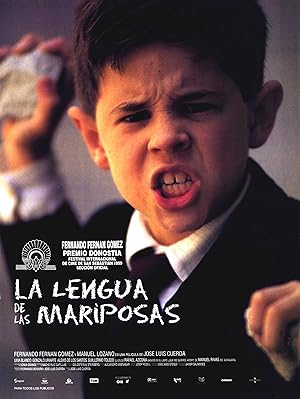
For Moncho, it's an idyllic year: he starts school, he has a wonderful teacher, he makes a friend in Roque, he begins to figure out some of the mysteries of Eros, and, with his older brother, a budding saxophone player, he makes a trip with the band from their town in Galicia. But it's also the year that the Spanish Republic comes under fire from Fascist rebels. Moncho's father is a Republican as is the aging teacher, Don Gregorio. As sides are drawn and power falls clearly to one side, the forces of fear, violence, and betrayal alter profoundly what should be the pleasure of coming of age.
Despite its modest budget of $3.0M, Butterfly became a solid performer, earning $7.7M worldwide—a 158% return.
6 wins & 19 nominations
Plot Structure
Story beats plotted across runtime


Narrative Arc
Emotional journey through the story's key moments
Story Circle
Blueprint 15-beat structure
Arcplot Score Breakdown
Weighted: Precision (70%) + Arc (15%) + Theme (15%)
Butterfly (1999) reveals carefully calibrated story structure, characteristic of José Luis Cuerda's storytelling approach. This structural analysis examines how the film's 15-point plot structure maps to proven narrative frameworks across 1 hour and 36 minutes. With an Arcplot score of 7.2, the film balances conventional beats with creative variation.
Structural Analysis
The Status Quo at 1 minutes (1% through the runtime) establishes Moncho, a fearful and sickly young boy, dreads his first day of school so intensely that he wets himself and flees the classroom in terror, establishing his initial state of fear and social isolation in the rural Spanish village.. Significantly, this early placement immediately immerses viewers in the story world.
The inciting incident occurs at 12 minutes when Don Gregorio personally visits Moncho's home to coax him back to school, offering kindness and understanding instead of punishment, disrupting Moncho's fearful worldview and opening the possibility of a meaningful relationship.. At 13% through the film, this Disruption is delayed, allowing extended setup of the story world. This beat shifts the emotional landscape, launching the protagonist into the central conflict.
The First Threshold at 24 minutes marks the transition into Act II, occurring at 25% of the runtime. This indicates the protagonist's commitment to Moncho actively chooses to embrace Don Gregorio's teachings, venturing into the forest with him and fully committing to this new world of exploration and intellectual curiosity, leaving behind his fearful former self., moving from reaction to action.
At 48 minutes, the Midpoint arrives at 50% of the runtime—precisely centered, creating perfect narrative symmetry. Of particular interest, this crucial beat News of the Spanish Civil War's outbreak reaches the village. The idyllic world of learning and nature is interrupted by political reality. What seemed like a safe, timeless friendship is revealed to be fragile and threatened—a false victory that cannot last., fundamentally raising what's at risk. The emotional intensity shifts, dividing the narrative into clear before-and-after phases.
The Collapse moment at 72 minutes (75% through) represents the emotional nadir. Here, Don Gregorio is arrested by fascist forces and paraded through the village as a Republican enemy. The mentor who represented wisdom, kindness, and freedom is now a prisoner facing likely execution—the death of innocence, safety, and enlightenment values., indicates the protagonist at their lowest point. This beat's placement in the final quarter sets up the climactic reversal.
The Second Threshold at 77 minutes initiates the final act resolution at 80% of the runtime. Moncho's mother desperately instructs him that he must join the crowd in denouncing Don Gregorio or the family will be destroyed. Moncho realizes the terrible truth: survival requires betrayal. He must choose between loyalty and family safety., demonstrating the transformation achieved throughout the journey.
Emotional Journey
Butterfly's emotional architecture traces a deliberate progression across 15 carefully calibrated beats.
Narrative Framework
This structural analysis employs a 15-point narrative structure framework that maps key story moments. By mapping Butterfly against these established plot points, we can identify how José Luis Cuerda utilizes or subverts traditional narrative conventions. The plot point approach reveals not only adherence to structural principles but also creative choices that distinguish Butterfly within the drama genre.
Comparative Analysis
Additional drama films include Eye for an Eye, South Pacific and Kiss of the Spider Woman.
Plot Points by Act
Act I
SetupStatus Quo
Moncho, a fearful and sickly young boy, dreads his first day of school so intensely that he wets himself and flees the classroom in terror, establishing his initial state of fear and social isolation in the rural Spanish village.
Theme
Don Gregorio tells his students that education is about discovering the wonders of the world around them, not just memorizing facts—stating the film's theme about knowledge, freedom, and the tragedy of innocence lost to ideology.
Worldbuilding
Introduction to 1936 rural Spain on the eve of civil war: Moncho's working-class Republican family, the village community, Don Gregorio's progressive teaching methods, and the subtle political tensions beginning to surface in everyday life.
Disruption
Don Gregorio personally visits Moncho's home to coax him back to school, offering kindness and understanding instead of punishment, disrupting Moncho's fearful worldview and opening the possibility of a meaningful relationship.
Resistance
Moncho hesitantly returns to school and begins to trust Don Gregorio. The teacher introduces him to nature walks, poetry, and lessons about butterflies' tongues. Moncho debates internally whether to embrace this new world of learning and wonder.
Act II
ConfrontationFirst Threshold
Moncho actively chooses to embrace Don Gregorio's teachings, venturing into the forest with him and fully committing to this new world of exploration and intellectual curiosity, leaving behind his fearful former self.
Mirror World
The deepening bond between Moncho and Don Gregorio is established as the thematic heart—this mentor-student relationship represents the education, freedom, and humanistic values that will be tested by the coming fascist ideology.
Premise
The promise of the premise: Moncho's education and awakening. Don Gregorio teaches him about nature, literature, and life. They search for butterfly tongues, discuss poetry, and explore the countryside. Moncho blossoms intellectually and emotionally under this gentle mentorship.
Midpoint
News of the Spanish Civil War's outbreak reaches the village. The idyllic world of learning and nature is interrupted by political reality. What seemed like a safe, timeless friendship is revealed to be fragile and threatened—a false victory that cannot last.
Opposition
Fascist forces gain control of the village. Political tensions escalate into open conflict. Don Gregorio's Republican sympathies become dangerous. The community fractures along ideological lines. Moncho's family grows increasingly fearful as neighbors are arrested and intimidated.
Collapse
Don Gregorio is arrested by fascist forces and paraded through the village as a Republican enemy. The mentor who represented wisdom, kindness, and freedom is now a prisoner facing likely execution—the death of innocence, safety, and enlightenment values.
Crisis
Moncho's family grapples with terror and moral crisis. They must decide whether to stay silent or publicly denounce Don Gregorio to protect themselves. Moncho is confused and heartbroken, not understanding why his beloved teacher is being treated as a criminal.
Act III
ResolutionSecond Threshold
Moncho's mother desperately instructs him that he must join the crowd in denouncing Don Gregorio or the family will be destroyed. Moncho realizes the terrible truth: survival requires betrayal. He must choose between loyalty and family safety.
Synthesis
The family joins the mob following the truck carrying Don Gregorio and other Republican prisoners. Moncho, pressured by his terrified mother, begins shouting insults at his teacher. The synthesis is tragic: the boy applies what he learned—but inverts it into betrayal.
Transformation
As the truck disappears, Moncho shouts "tilonorrinco!" and "spiritrompa!"—the scientific terms Don Gregorio taught him about butterfly tongues. The transformation is complete but devastating: the innocent boy is gone, replaced by one who has learned that love must sometimes wear the mask of hatred to survive.