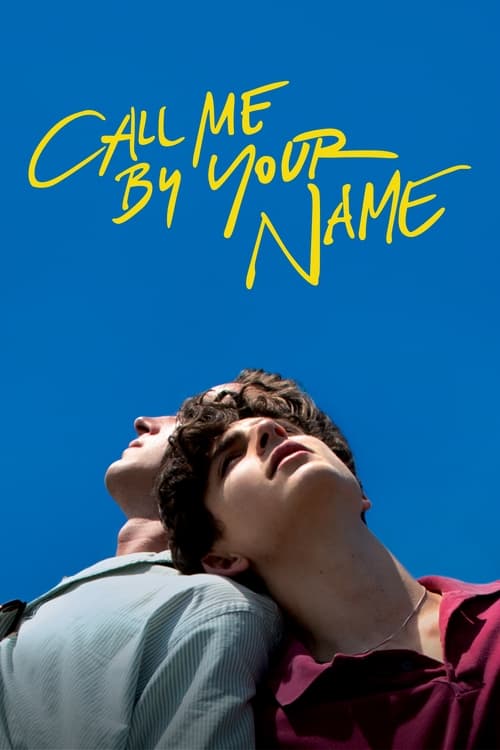
Call Me by Your Name
In the summer of 1983, a 17-year-old Elio spends his days in his family's villa in Italy. One day Oliver, a graduate student, arrives to assist Elio's father, a professor of Greco-Roman culture. Soon, Elio and Oliver discover a summer that will alter their lives forever.
Despite its modest budget of $3.5M, Call Me by Your Name became a commercial juggernaut, earning $43.1M worldwide—a remarkable 1133% return. The film's unique voice attracted moviegoers, illustrating how strong storytelling can transcend budget limitations.
1 Oscar. 107 wins & 263 nominations


Plot Structure
Story beats plotted across runtime


Narrative Arc
Emotional journey through the story's key moments
Story Circle
Blueprint 15-beat structure
Arcplot Score Breakdown
Weighted: Precision (70%) + Arc (15%) + Theme (15%)
Call Me by Your Name (2017) exhibits precise narrative architecture, characteristic of Luca Guadagnino's storytelling approach. This structural analysis examines how the film's 15-point plot structure maps to proven narrative frameworks across 2 hours and 12 minutes. With an Arcplot score of 6.7, the film balances conventional beats with creative variation.
Characters
Cast & narrative archetypes

Elio Perlman
Oliver
Mr. Perlman
Annella Perlman
Marzia
Main Cast & Characters
Elio Perlman
Played by Timothée Chalamet
A precocious 17-year-old who spends his summer in Italy reading, transcribing music, and falling in love with his father's research assistant.
Oliver
Played by Armie Hammer
A charismatic 24-year-old American graduate student who comes to stay with the Perlman family as a research assistant.
Mr. Perlman
Played by Michael Stuhlbarg
Elio's father, a warm and perceptive archaeology professor who creates an environment of intellectual openness and emotional acceptance.
Annella Perlman
Played by Amira Casar
Elio's mother, a translator and gentle presence who observes her son's emotional journey with quiet understanding.
Marzia
Played by Esther Garrel
A local Italian girl who becomes romantically involved with Elio during the summer, unaware of his deeper feelings for Oliver.
Structural Analysis
The Status Quo at 1 minutes (1% through the runtime) establishes Elio lounges by the pool reading in the lazy Italian summer at his family's villa. His parents' academic world revolves around classical scholarship while he remains detached, bored, intellectually restless but emotionally closed off.. Significantly, this early placement immediately immerses viewers in the story world.
The inciting incident occurs at 16 minutes when Oliver, a confident 24-year-old American doctoral student, arrives as the summer research assistant. His ease, charisma, and physical presence immediately unsettle Elio. Oliver's casual "Later!" becomes a refrain that captures his enigmatic, self-possessed nature.. At 12% through the film, this Disruption aligns precisely with traditional story structure. This beat shifts the emotional landscape, launching the protagonist into the central conflict.
The First Threshold at 34 minutes marks the transition into Act II, occurring at 26% of the runtime. This demonstrates the protagonist's commitment to During a trip to the war memorial in town, Oliver massages Elio's shoulders. The physical contact breaks through Elio's defenses. That night, Elio transcribes a romantic passage and realizes he must pursue this connection, whatever it means., moving from reaction to action.
At 68 minutes, the Midpoint arrives at 51% of the runtime—precisely centered, creating perfect narrative symmetry. Notably, this crucial beat In the famous peach scene, Elio masturbates with a peach. Oliver discovers it and nearly eats it, then tenderly says, "I don't want you to regret anything." Their relationship deepens from physical desire to emotional intimacy. They've reached the peak of their summer—but time is running out., fundamentally raising what's at risk. The emotional intensity shifts, dividing the narrative into clear before-and-after phases.
The Collapse moment at 98 minutes (74% through) represents the emotional nadir. Here, Oliver leaves. At the train station, they share a final look. Elio returns alone, walks through the empty villa, and collapses in his mother's arms, sobbing. The summer is over. First love is lost. Innocence dies., shows the protagonist at their lowest point. This beat's placement in the final quarter sets up the climactic reversal.
The Second Threshold at 107 minutes initiates the final act resolution at 81% of the runtime. Elio's father delivers the film's thesis in a tender monologue: "We rip out so much of ourselves to be cured of things faster, that we go bankrupt by the age of thirty." He tells Elio not to suppress this pain, to feel it, because most people never experience such connection. Permission to grieve is permission to have truly loved., demonstrating the transformation achieved throughout the journey.
Emotional Journey
Call Me by Your Name's emotional architecture traces a deliberate progression across 15 carefully calibrated beats.
Narrative Framework
This structural analysis employs a 15-point narrative structure framework that maps key story moments. By mapping Call Me by Your Name against these established plot points, we can identify how Luca Guadagnino utilizes or subverts traditional narrative conventions. The plot point approach reveals not only adherence to structural principles but also creative choices that distinguish Call Me by Your Name within the romance genre.
Luca Guadagnino's Structural Approach
Among the 8 Luca Guadagnino films analyzed on Arcplot, the average structural score is 7.0, reflecting strong command of classical structure. Call Me by Your Name takes a more unconventional approach compared to the director's typical style. For comparative analysis, explore the complete Luca Guadagnino filmography.
Comparative Analysis
Additional romance films include South Pacific, Dirty Dancing: Havana Nights and The Evening Star. For more Luca Guadagnino analyses, see Queer, Challengers and I Am Love.
Plot Points by Act
Act I
SetupStatus Quo
Elio lounges by the pool reading in the lazy Italian summer at his family's villa. His parents' academic world revolves around classical scholarship while he remains detached, bored, intellectually restless but emotionally closed off.
Theme
At dinner, Elio's father discusses a knight who waits for his beloved, saying "Is it better to speak or to die?" This question of whether to risk vulnerability and express desire becomes the film's central thematic exploration.
Worldbuilding
Summer 1983 in Northern Italy. Elio, a precocious 17-year-old, lives with his professor father and translator mother. Their world includes academic guests, local friends like Marzia, transcribing manuscripts, swimming, and Elio's piano practice. He casually dates Marzia but shows no real passion.
Disruption
Oliver, a confident 24-year-old American doctoral student, arrives as the summer research assistant. His ease, charisma, and physical presence immediately unsettle Elio. Oliver's casual "Later!" becomes a refrain that captures his enigmatic, self-possessed nature.
Resistance
Elio orbits Oliver with fascination and hostility, unable to name his feelings. He oscillates between showing off at the piano, mocking Oliver to friends, and seeking his attention. Oliver remains friendly but distant. Elio continues seeing Marzia, using her as camouflage for feelings he can't acknowledge.
Act II
ConfrontationFirst Threshold
During a trip to the war memorial in town, Oliver massages Elio's shoulders. The physical contact breaks through Elio's defenses. That night, Elio transcribes a romantic passage and realizes he must pursue this connection, whatever it means.
Mirror World
Elio confesses his feelings to Oliver late at night: "I thought you hated me." Oliver reveals he wanted Elio too but held back. Their first kiss happens. Oliver becomes the relationship that will teach Elio about vulnerability, desire, and the cost of truly feeling.
Premise
Elio and Oliver's secret romance unfolds across the summer. Stolen moments, midnight encounters, swimming at the creek, trips to town. Elio learns to balance his relationship with Marzia and his passion for Oliver. They exist in a suspended paradise where time feels infinite.
Midpoint
In the famous peach scene, Elio masturbates with a peach. Oliver discovers it and nearly eats it, then tenderly says, "I don't want you to regret anything." Their relationship deepens from physical desire to emotional intimacy. They've reached the peak of their summer—but time is running out.
Opposition
Reality intrudes. Oliver receives a call hinting at his life back in America. The lovers take a three-day trip to Bergamo, experiencing complete freedom and adult partnership, but the shadow of Oliver's departure grows. Every moment becomes precious and painful.
Collapse
Oliver leaves. At the train station, they share a final look. Elio returns alone, walks through the empty villa, and collapses in his mother's arms, sobbing. The summer is over. First love is lost. Innocence dies.
Crisis
Elio withdraws into grief. He's hollow, going through motions. His parents watch with concern. He's been fundamentally changed by love and loss, but doesn't yet understand how to integrate this experience into his life.
Act III
ResolutionSecond Threshold
Elio's father delivers the film's thesis in a tender monologue: "We rip out so much of ourselves to be cured of things faster, that we go bankrupt by the age of thirty." He tells Elio not to suppress this pain, to feel it, because most people never experience such connection. Permission to grieve is permission to have truly loved.
Synthesis
Winter arrives. Hanukkah at the villa. Elio has grown quieter, deeper. Oliver calls to announce his engagement. Elio congratulates him, then sits alone by the fireplace, tears streaming as he stares into the flames, letting himself feel everything.
Transformation
Elio sits before the fire, tears on his face, but no longer collapsed in anguish. His parents call him to dinner. He will join them. He has not been destroyed by love—he has been opened by it. The boy from the opening, emotionally closed, is now someone who has truly felt.