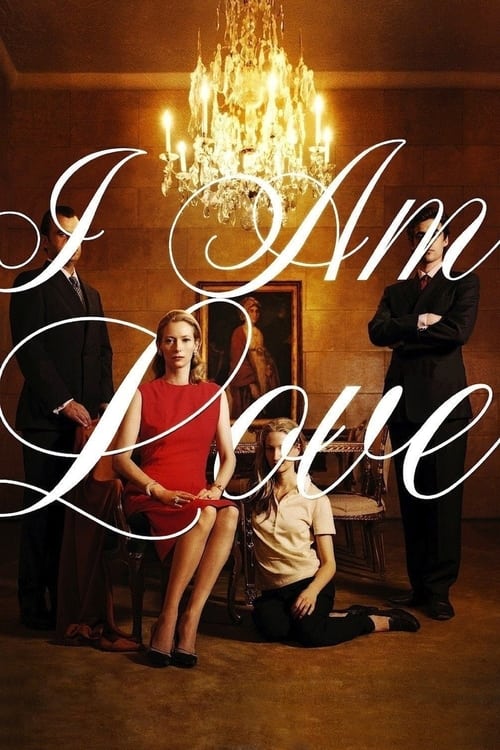
I Am Love
Emma has left Russia to live with her husband in Italy. Now a member of a powerful industrial family, she is the respected mother of three, but feels unfulfilled. One day, Antonio, a talented chef and her son's friend, makes her senses kindle.
Despite its limited budget of $3.6M, I Am Love became a commercial success, earning $12.0M worldwide—a 234% return. The film's unconventional structure resonated with audiences, confirming that strong storytelling can transcend budget limitations.
Nominated for 1 Oscar. 16 wins & 47 nominations


Plot Structure
Story beats plotted across runtime


Narrative Arc
Emotional journey through the story's key moments
Story Circle
Blueprint 15-beat structure
Arcplot Score Breakdown
Weighted: Precision (70%) + Arc (15%) + Theme (15%)
I Am Love (2010) exhibits deliberately positioned narrative design, characteristic of Luca Guadagnino's storytelling approach. This structural analysis examines how the film's 15-point plot structure maps to proven narrative frameworks across 2 hours. With an Arcplot score of 6.9, the film balances conventional beats with creative variation.
Characters
Cast & narrative archetypes

Emma Recchi
Antonio Biscaglia
Tancredi Recchi
Edoardo 'Edo' Recchi Jr.
Elisabetta Recchi
Edoardo Recchi Sr.
Allegra Recchi
Main Cast & Characters
Emma Recchi
Played by Tilda Swinton
A Russian immigrant wife who experiences a transformative awakening through forbidden love, challenging her dutiful existence within Milan's haute bourgeoisie.
Antonio Biscaglia
Played by Edoardo Gabbriellini
A talented young chef and friend of Edo who becomes Emma's passionate lover, representing artistic freedom and sensual authenticity.
Tancredi Recchi
Played by Pippo Delbono
Emma's businessman husband, the patriarch's son who embodies tradition and expects his wife to maintain the family's social standing.
Edoardo 'Edo' Recchi Jr.
Played by Flavio Parenti
Emma's artistic son who dreams of opening a restaurant with Antonio, representing a bridge between old and new worlds.
Elisabetta Recchi
Played by Alba Rohrwacher
Emma's daughter who becomes engaged, representing the continuation of traditional family values and expectations.
Edoardo Recchi Sr.
Played by Gabriele Ferzetti
The aging family patriarch who controls the textile business and expects absolute loyalty to family tradition and legacy.
Allegra Recchi
Played by Marisa Berenson
Tancredi's sister and business partner who observes the family dynamics with quiet understanding.
Structural Analysis
The Status Quo at 1 minutes (1% through the runtime) establishes Emma Recchi presides over an opulent birthday dinner for her father-in-law Edoardo in their grand Milanese palazzo. She is perfectly composed, the dutiful matriarch of Italian aristocracy, trapped in ritual and expectation.. Notably, this early placement immediately immerses viewers in the story world.
The inciting incident occurs at 14 minutes when Emma meets Antonio's friend Eduardo, the young chef, at a family gathering. The encounter is charged with unspoken attraction. Eduardo represents art, passion, and freedom—everything absent from Emma's controlled existence.. At 12% through the film, this Disruption aligns precisely with traditional story structure. This beat shifts the emotional landscape, launching the protagonist into the central conflict.
The First Threshold at 31 minutes marks the transition into Act II, occurring at 25% of the runtime. This illustrates the protagonist's commitment to Emma chooses to visit Eduardo's restaurant in Sanremo, ostensibly for Antonio's business venture. This is her active choice to enter dangerous territory—she knows what she's seeking. The decision is disguised as maternal duty but is driven by desire., moving from reaction to action.
At 59 minutes, the Midpoint arrives at 49% of the runtime—precisely centered, creating perfect narrative symmetry. Notably, this crucial beat False victory: Emma and Eduardo make love in the countryside surrounded by flowers and insects—nature fully embracing their union. Emma appears liberated and transformed. But the stakes now include discovery and the destruction of her family. The affair becomes undeniable reality., fundamentally raising what's at risk. The emotional intensity shifts, dividing the narrative into clear before-and-after phases.
The Collapse moment at 91 minutes (75% through) represents the emotional nadir. Here, Antonio discovers Eduardo dead in the mountains—he has died from an allergic reaction to a bee sting while waiting for Emma. The literal death: Emma's lover and path to authentic life is gone. Her awakening has led to tragedy, and she must face the consequences alone., reveals the protagonist at their lowest point. This beat's placement in the final quarter sets up the climactic reversal.
The Second Threshold at 98 minutes initiates the final act resolution at 81% of the runtime. Antonio confronts Emma, revealing he knows about the affair. Instead of judgment, he shows understanding and love for his mother's authentic self. This moment of acceptance gives Emma permission to honor her transformation and choose her own path, despite the cost., demonstrating the transformation achieved throughout the journey.
Emotional Journey
I Am Love's emotional architecture traces a deliberate progression across 15 carefully calibrated beats.
Narrative Framework
This structural analysis employs a 15-point narrative structure framework that maps key story moments. By mapping I Am Love against these established plot points, we can identify how Luca Guadagnino utilizes or subverts traditional narrative conventions. The plot point approach reveals not only adherence to structural principles but also creative choices that distinguish I Am Love within the drama genre.
Luca Guadagnino's Structural Approach
Among the 8 Luca Guadagnino films analyzed on Arcplot, the average structural score is 7.0, reflecting strong command of classical structure. I Am Love takes a more unconventional approach compared to the director's typical style. For comparative analysis, explore the complete Luca Guadagnino filmography.
Comparative Analysis
Additional drama films include After Thomas, South Pacific and Dirty Dancing: Havana Nights. For more Luca Guadagnino analyses, see Queer, Challengers and Call Me by Your Name.
Plot Points by Act
Act I
SetupStatus Quo
Emma Recchi presides over an opulent birthday dinner for her father-in-law Edoardo in their grand Milanese palazzo. She is perfectly composed, the dutiful matriarch of Italian aristocracy, trapped in ritual and expectation.
Theme
During the family dinner, Antonio (Emma's son) speaks about his friend Eduardo's cooking: "He cooks with love, he puts himself into every dish." This foreshadows Emma's journey toward authentic feeling and self-expression through sensuality.
Worldbuilding
Establishment of the Recchi family dynasty, their textile business, rigid social conventions, and Emma's gilded cage. Her Russian origins are revealed; she has assimilated completely into Italian aristocracy but remains emotionally distant and controlled.
Disruption
Emma meets Antonio's friend Eduardo, the young chef, at a family gathering. The encounter is charged with unspoken attraction. Eduardo represents art, passion, and freedom—everything absent from Emma's controlled existence.
Resistance
Emma resists the pull toward Eduardo while maintaining her role as perfect wife and mother. She accompanies her daughter Elisabetta to art exhibitions and cultural events, experiencing beauty but remaining emotionally disconnected. Internal conflict grows.
Act II
ConfrontationFirst Threshold
Emma chooses to visit Eduardo's restaurant in Sanremo, ostensibly for Antonio's business venture. This is her active choice to enter dangerous territory—she knows what she's seeking. The decision is disguised as maternal duty but is driven by desire.
Mirror World
Eduardo serves Emma a transformative meal of prawns—an overwhelming sensory awakening. The food becomes a metaphor for the passion and authenticity she has denied herself. Eduardo is the mirror character who embodies living fully through art and feeling.
Premise
The promise of the premise: Emma's passionate affair with Eduardo unfolds. Secret meetings, sexual awakening, exploration of nature and sensuality. She experiences genuine emotion for the first time, shedding her aristocratic armor. The world transforms from cold architecture to organic beauty.
Midpoint
False victory: Emma and Eduardo make love in the countryside surrounded by flowers and insects—nature fully embracing their union. Emma appears liberated and transformed. But the stakes now include discovery and the destruction of her family. The affair becomes undeniable reality.
Opposition
Emma's double life becomes increasingly precarious. Her husband Tancredi grows suspicious. Family obligations intensify. The weight of her transgression against family, class, and duty closes in. She becomes careless, desperate to preserve both worlds, but they cannot coexist.
Collapse
Antonio discovers Eduardo dead in the mountains—he has died from an allergic reaction to a bee sting while waiting for Emma. The literal death: Emma's lover and path to authentic life is gone. Her awakening has led to tragedy, and she must face the consequences alone.
Crisis
Emma processes the devastating loss while maintaining composure at Antonio's side during Eduardo's funeral arrangements. She cannot publicly grieve. Her transformation is now irrevocable—she cannot return to who she was, but the future is unclear. Dark night of profound isolation.
Act III
ResolutionSecond Threshold
Antonio confronts Emma, revealing he knows about the affair. Instead of judgment, he shows understanding and love for his mother's authentic self. This moment of acceptance gives Emma permission to honor her transformation and choose her own path, despite the cost.
Synthesis
Emma reveals the truth to her husband and family. She leaves the palazzo, abandoning her position and the Recchi dynasty. The family fractures but she remains committed to honoring the person she has become. She executes her departure with dignity and finality.
Transformation
Emma walks alone through Milan, a solitary figure liberated from the palace. Unlike the opening where she was trapped in aristocratic perfection, she now owns her authentic self despite loss and exile. The transformation is complete: she has chosen feeling over form, truth over security.