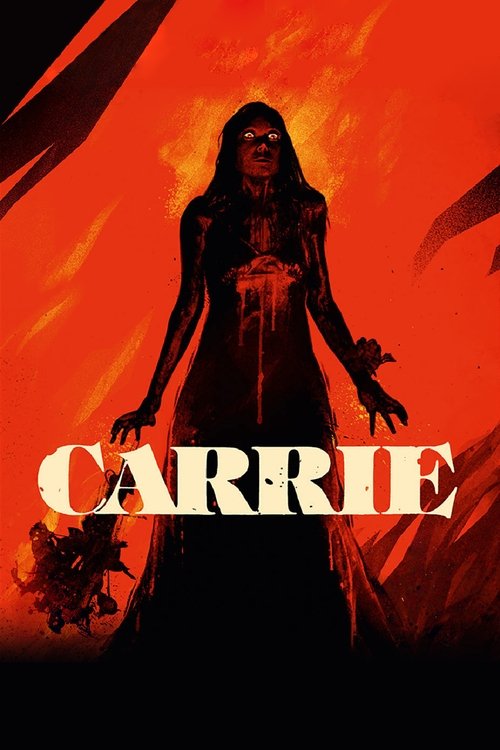
Carrie
Withdrawn and sensitive teenager Carrie White faces bullying from classmates and abuse from her fanatically pious mother. When she begins to suspect that she has supernatural powers, things take a dark and violent turn.
Despite its modest budget of $1.8M, Carrie became a runaway success, earning $33.8M worldwide—a remarkable 1778% return. The film's unique voice engaged audiences, proving that strong storytelling can transcend budget limitations.
Nominated for 2 Oscars. 6 wins & 9 nominations


Plot Structure
Story beats plotted across runtime


Narrative Arc
Emotional journey through the story's key moments
Story Circle
Blueprint 15-beat structure
Arcplot Score Breakdown
Weighted: Precision (70%) + Arc (15%) + Theme (15%)
Carrie (1976) demonstrates meticulously timed narrative design, characteristic of Brian De Palma's storytelling approach. This structural analysis examines how the film's 15-point plot structure maps to proven narrative frameworks across 1 hour and 38 minutes. With an Arcplot score of 5.2, the film takes an unconventional approach to traditional narrative frameworks.
Characters
Cast & narrative archetypes

Carrie White
Margaret White
Sue Snell
Chris Hargensen
Tommy Ross
Miss Collins
Billy Nolan
Main Cast & Characters
Carrie White
Played by Sissy Spacek
A shy, socially outcast teenage girl with telekinetic powers who is tormented by classmates and her abusive religious mother.
Margaret White
Played by Piper Laurie
Carrie's fanatically religious mother who views her daughter's powers as the work of the devil and controls her through abuse and fear.
Sue Snell
Played by Amy Irving
A popular girl who feels genuine remorse for bullying Carrie and tries to make amends by having her boyfriend take Carrie to prom.
Chris Hargensen
Played by Nancy Allen
The primary antagonist, a cruel and vindictive popular girl who orchestrates the pig's blood prank as revenge for her punishment.
Tommy Ross
Played by William Katt
Sue's kind and popular boyfriend who reluctantly agrees to take Carrie to prom and genuinely makes her feel special.
Miss Collins
Played by Betty Buckley
The sympathetic gym teacher who protects Carrie from bullies and punishes the girls involved in the shower incident.
Billy Nolan
Played by John Travolta
Chris's delinquent boyfriend who helps execute the pig's blood prank and represents chaotic cruelty.
Structural Analysis
The Status Quo at 1 minutes (1% through the runtime) establishes Carrie White exists in complete social isolation and religious oppression. The opening locker room scene establishes her as an outcast in a world of normalcy she cannot access.. Of particular interest, this early placement immediately immerses viewers in the story world.
The inciting incident occurs at 11 minutes when The shower scene trauma and public humiliation when Carrie gets her first period. The girls pelt her with tampons while she believes she's dying. This catalyzes both her powers and the chain of events leading to prom.. At 11% through the film, this Disruption aligns precisely with traditional story structure. This beat shifts the emotional landscape, launching the protagonist into the central conflict.
The First Threshold at 25 minutes marks the transition into Act II, occurring at 25% of the runtime. This demonstrates the protagonist's commitment to Carrie makes the active choice to accept Tommy's invitation to the prom, defying her mother's prohibition. This decision to enter the normal world of her peers is irreversible and sets the tragedy in motion., moving from reaction to action.
At 49 minutes, the Midpoint arrives at 50% of the runtime—precisely centered, creating perfect narrative symmetry. Of particular interest, this crucial beat Carrie arrives at prom and is accepted by her peers - a false victory. She's crowned Prom Queen in what appears to be a triumphant moment of social acceptance, but is actually the setup for her ultimate destruction., fundamentally raising what's at risk. The emotional intensity shifts, dividing the narrative into clear before-and-after phases.
The Collapse moment at 53 minutes (54% through) represents the emotional nadir. Here, The pig's blood drenches Carrie on stage. Her moment of acceptance transforms into ultimate betrayal. Tommy is killed by the falling bucket (literal death). Carrie's innocence and hope for normalcy dies in this moment., shows the protagonist at their lowest point. This beat's placement in the final quarter sets up the climactic reversal.
The Second Threshold at 58 minutes initiates the final act resolution at 59% of the runtime. Carrie walks from the burning school with newfound clarity: she will complete her revenge. She has synthesized her power with her rage, transcending her earlier fearful control. She knows what she must do., demonstrating the transformation achieved throughout the journey.
Emotional Journey
Carrie's emotional architecture traces a deliberate progression across 15 carefully calibrated beats.
Narrative Framework
This structural analysis employs systematic plot point analysis that identifies crucial turning points. By mapping Carrie against these established plot points, we can identify how Brian De Palma utilizes or subverts traditional narrative conventions. The plot point approach reveals not only adherence to structural principles but also creative choices that distinguish Carrie within the horror genre.
Brian De Palma's Structural Approach
Among the 18 Brian De Palma films analyzed on Arcplot, the average structural score is 6.7, demonstrating varied approaches to story architecture. Carrie takes a more unconventional approach compared to the director's typical style. For comparative analysis, explore the complete Brian De Palma filmography.
Comparative Analysis
Additional horror films include Thinner, A Nightmare on Elm Street and Mary Reilly. For more Brian De Palma analyses, see Obsession, The Black Dahlia and The Fury.
Plot Points by Act
Act I
SetupStatus Quo
Carrie White exists in complete social isolation and religious oppression. The opening locker room scene establishes her as an outcast in a world of normalcy she cannot access.
Theme
Miss Collins tells the girls: "You're not bad people, but what you did was a very bad thing." The theme emerges: cruelty and compassion exist in everyone, and power without understanding leads to destruction.
Worldbuilding
Establishment of Carrie's world: her telekinetic powers emerging, her abusive fundamentalist mother Margaret, the cruel high school social hierarchy, and the guilt of Sue Snell who witnessed the shower incident.
Disruption
The shower scene trauma and public humiliation when Carrie gets her first period. The girls pelt her with tampons while she believes she's dying. This catalyzes both her powers and the chain of events leading to prom.
Resistance
Carrie begins researching her telekinetic abilities. Miss Collins becomes a reluctant mentor figure, punishing the bullies. Sue Snell experiences genuine guilt and convinces her boyfriend Tommy to ask Carrie to prom as an act of redemption.
Act II
ConfrontationFirst Threshold
Carrie makes the active choice to accept Tommy's invitation to the prom, defying her mother's prohibition. This decision to enter the normal world of her peers is irreversible and sets the tragedy in motion.
Mirror World
Tommy Ross becomes the thematic mirror - he represents genuine kindness without agenda. His growing authentic care for Carrie shows what acceptance and compassion look like, contrasting with Chris Hargensen's cruelty.
Premise
The promise of the premise: what if Carrie could be normal? She prepares for prom, makes her own dress, practices her powers, and experiences kindness from Tommy. We see her potential for happiness alongside Chris's vengeful plot.
Midpoint
Carrie arrives at prom and is accepted by her peers - a false victory. She's crowned Prom Queen in what appears to be a triumphant moment of social acceptance, but is actually the setup for her ultimate destruction.
Opposition
The brief seconds of Carrie's joy on stage. The opposition has already won - the bucket of pig's blood hangs above her. Chris and Billy watch from the rafters, controlling the final humiliation.
Collapse
The pig's blood drenches Carrie on stage. Her moment of acceptance transforms into ultimate betrayal. Tommy is killed by the falling bucket (literal death). Carrie's innocence and hope for normalcy dies in this moment.
Crisis
Carrie stands frozen, processing the horror. Her face cycles through humiliation, rage, and the decision to unleash her full power. The gym erupts in supernatural destruction as she murders everyone present.
Act III
ResolutionSecond Threshold
Carrie walks from the burning school with newfound clarity: she will complete her revenge. She has synthesized her power with her rage, transcending her earlier fearful control. She knows what she must do.
Synthesis
The finale: Carrie destroys the town, kills Chris and Billy, and confronts her mother in their home. Margaret stabs Carrie, who crucifies her mother with telekinetically-driven knives. Carrie dies embracing Margaret's corpse, their house collapsing.
Transformation
Sue Snell visits Carrie's grave and Carrie's bloody hand bursts from the ground, grabbing her. The final image shows that trauma and horror are inescapable - the cycle of cruelty and vengeance continues beyond death.