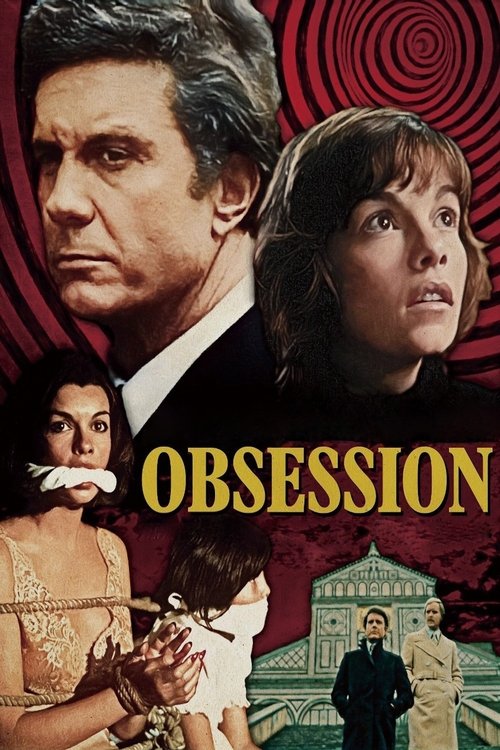
Obsession
A wealthy New Orleans businessman becomes obsessed with a young woman who resembles his late wife.
Despite its small-scale budget of $1.4M, Obsession became a commercial success, earning $4.5M worldwide—a 219% return. The film's unconventional structure engaged audiences, showing that strong storytelling can transcend budget limitations.
Nominated for 1 Oscar. 3 wins & 2 nominations


Plot Structure
Story beats plotted across runtime


Narrative Arc
Emotional journey through the story's key moments
Story Circle
Blueprint 15-beat structure
Arcplot Score Breakdown
Weighted: Precision (70%) + Arc (15%) + Theme (15%)
Obsession (1976) demonstrates carefully calibrated narrative design, characteristic of Brian De Palma's storytelling approach. This structural analysis examines how the film's 15-point plot structure maps to proven narrative frameworks across 1 hour and 39 minutes. With an Arcplot score of 6.8, the film balances conventional beats with creative variation.
Characters
Cast & narrative archetypes

Michael Courtland
Sandra Portinari / Elizabeth Courtland / Amy Courtland
Robert LaSalle
Elizabeth Courtland
Main Cast & Characters
Michael Courtland
Played by Cliff Robertson
A wealthy New Orleans real estate developer haunted by the kidnapping and death of his wife and daughter, who becomes obsessed when he meets a woman in Florence who resembles his late wife.
Sandra Portinari / Elizabeth Courtland / Amy Courtland
Played by Genevieve Bujold
A mysterious young woman Michael meets at the church in Florence who bears an uncanny resemblance to his late wife; she is revealed to be his daughter Amy, manipulated into an elaborate revenge scheme.
Robert LaSalle
Played by John Lithgow
Michael's business partner and supposed best friend who secretly orchestrated the original kidnapping and now manipulates events from behind the scenes for financial gain.
Elizabeth Courtland
Played by Genevieve Bujold
Michael's beloved wife who was kidnapped along with their daughter Amy and died in the botched rescue attempt.
Structural Analysis
The Status Quo at 1 minutes (1% through the runtime) establishes Michael Courtenay celebrates his wedding anniversary with his wife Elizabeth and daughter Amy at their luxurious New Orleans estate, establishing his wealthy, happy family life.. The analysis reveals that this early placement immediately immerses viewers in the story world.
The inciting incident occurs at 11 minutes when Elizabeth and Amy are kidnapped by masked intruders during the anniversary celebration. Ransom demand initiates the central tragedy that will haunt Michael.. At 11% through the film, this Disruption aligns precisely with traditional story structure. This beat shifts the emotional landscape, launching the protagonist into the central conflict.
The First Threshold at 23 minutes marks the transition into Act II, occurring at 23% of the runtime. This indicates the protagonist's commitment to Michael witnesses the explosion that kills his wife and daughter. He chooses to live with his guilt and grief rather than end his life, entering sixteen years of mourning and obsession., moving from reaction to action.
At 49 minutes, the Midpoint arrives at 50% of the runtime—precisely centered, creating perfect narrative symmetry. Notably, this crucial beat Sandra accepts Michael's proposal and agrees to marry him. Michael believes he has successfully recovered his lost happiness, a false victory that masks the darker truth beneath., fundamentally raising what's at risk. The emotional intensity shifts, dividing the narrative into clear before-and-after phases.
The Collapse moment at 71 minutes (71% through) represents the emotional nadir. Here, Michael discovers Lasalle engineered both kidnappings. His partner's betrayal reveals sixteen years of deception. The "whiff of death" - Michael's entire reality and rebuilt life collapse into lies., indicates the protagonist at their lowest point. This beat's placement in the final quarter sets up the climactic reversal.
The Second Threshold at 79 minutes initiates the final act resolution at 80% of the runtime. Michael learns Sandra is actually Amy - his daughter who survived the first kidnapping. His romantic obsession was directed at his own child, who was manipulated by Lasalle as revenge and blackmail., demonstrating the transformation achieved throughout the journey.
Emotional Journey
Obsession's emotional architecture traces a deliberate progression across 15 carefully calibrated beats.
Narrative Framework
This structural analysis employs structural analysis methodology used to understand storytelling architecture. By mapping Obsession against these established plot points, we can identify how Brian De Palma utilizes or subverts traditional narrative conventions. The plot point approach reveals not only adherence to structural principles but also creative choices that distinguish Obsession within the thriller genre.
Brian De Palma's Structural Approach
Among the 18 Brian De Palma films analyzed on Arcplot, the average structural score is 6.7, demonstrating varied approaches to story architecture. Obsession represents one of the director's most structurally precise works. For comparative analysis, explore the complete Brian De Palma filmography.
Comparative Analysis
Additional thriller films include The Warriors, Thunderball and Rustom. For more Brian De Palma analyses, see Carrie, The Black Dahlia and The Fury.
Plot Points by Act
Act I
SetupStatus Quo
Michael Courtenay celebrates his wedding anniversary with his wife Elizabeth and daughter Amy at their luxurious New Orleans estate, establishing his wealthy, happy family life.
Theme
Robert Lasalle, Michael's business partner, discusses memory and loss, stating "the past is never dead - it's not even past," foreshadowing the film's exploration of obsession with what's been lost.
Worldbuilding
Setup of Michael's perfect life: successful real estate developer, devoted husband and father, close business partnership with Lasalle, and the anniversary party that brings all elements together.
Disruption
Elizabeth and Amy are kidnapped by masked intruders during the anniversary celebration. Ransom demand initiates the central tragedy that will haunt Michael.
Resistance
Michael struggles with whether to pay the ransom or involve police. Lasalle advises caution. Michael attempts the ransom drop but it goes catastrophically wrong when the car explodes, killing Elizabeth and Amy.
Act II
ConfrontationFirst Threshold
Michael witnesses the explosion that kills his wife and daughter. He chooses to live with his guilt and grief rather than end his life, entering sixteen years of mourning and obsession.
Mirror World
Sixteen years later, Michael visits Florence, Italy and encounters Sandra Portinari in a church - the exact image of his dead wife Elizabeth - who represents both his lost love and his psychological imprisonment.
Premise
Michael pursues Sandra obsessively, courting her exactly as he did Elizabeth. He brings her to New Orleans, recreates their relationship, and proposes marriage, living out his fantasy of recovering what he lost.
Midpoint
Sandra accepts Michael's proposal and agrees to marry him. Michael believes he has successfully recovered his lost happiness, a false victory that masks the darker truth beneath.
Opposition
Strange elements emerge: Sandra is kidnapped with an identical ransom demand. Michael experiences déjà vu. Clues accumulate suggesting Sandra knows more than she reveals. Lasalle acts suspiciously protective.
Collapse
Michael discovers Lasalle engineered both kidnappings. His partner's betrayal reveals sixteen years of deception. The "whiff of death" - Michael's entire reality and rebuilt life collapse into lies.
Crisis
Michael confronts Lasalle about the conspiracy. He must process that his partner murdered Elizabeth and orchestrated everything. The truth about Sandra's identity remains unclear, adding psychological torment.
Act III
ResolutionSecond Threshold
Michael learns Sandra is actually Amy - his daughter who survived the first kidnapping. His romantic obsession was directed at his own child, who was manipulated by Lasalle as revenge and blackmail.
Synthesis
Michael and Amy/Sandra confront Lasalle together. The final confrontation resolves the conspiracy with Lasalle's death. Father and daughter must reconcile the trauma and deception that defined their relationship.
Transformation
Michael and Amy embrace as father and daughter, finally freed from the past. Where the opening showed a man with everything, the ending shows a man who has lost and regained only what truly matters.