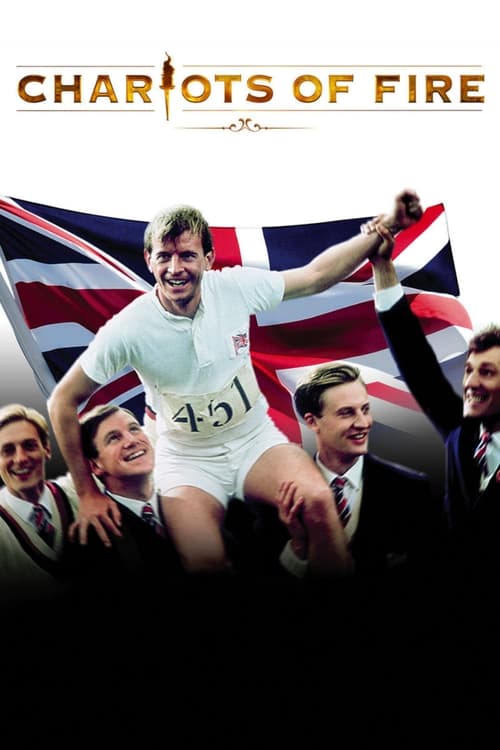
Chariots of Fire
In the class-obsessed and religiously divided UK of the early 1920s, two determined young runners train for the 1924 Paris Olympics. Eric Liddell, a devout Christian born to Scottish missionaries in China, sees running as part of his worship of God's glory and refuses to train or compete on the Sabbath. Harold Abrahams overcomes anti-Semitism and class bias, but neglects his beloved sweetheart in his single-minded quest.
Despite its tight budget of $5.5M, Chariots of Fire became a commercial juggernaut, earning $59.0M worldwide—a remarkable 972% return. The film's compelling narrative resonated with audiences, showing that strong storytelling can transcend budget limitations.
4 Oscars. 18 wins & 19 nominations


Plot Structure
Story beats plotted across runtime


Narrative Arc
Emotional journey through the story's key moments
Story Circle
Blueprint 15-beat structure
Arcplot Score Breakdown
Weighted: Precision (70%) + Arc (15%) + Theme (15%)
Chariots of Fire (1981) demonstrates strategically placed plot construction, characteristic of Hugh Hudson's storytelling approach. This structural analysis examines how the film's 15-point plot structure maps to proven narrative frameworks across 2 hours and 3 minutes. With an Arcplot score of 7.7, the film showcases strong structural fundamentals.
Characters
Cast & narrative archetypes

Harold Abrahams
Eric Liddell
Sam Mussabini
Lord Andrew Lindsay
Sybil Gordon
Master of Trinity
Master of Caius
Main Cast & Characters
Harold Abrahams
Played by Ben Cross
Jewish Cambridge student who runs to prove himself and overcome prejudice, driven by fierce ambition and the need for validation.
Eric Liddell
Played by Ian Charleson
Devout Scottish missionary and runner who competes for the glory of God, torn between athletic calling and religious duty.
Sam Mussabini
Played by Ian Holm
Professional Italian-Arab running coach who trains Abrahams with scientific methods, outsider to the Cambridge establishment.
Lord Andrew Lindsay
Played by Nigel Havers
Aristocratic Cambridge athlete and hurdler, embodiment of amateur sportsmanship and upper-class privilege.
Sybil Gordon
Played by Alice Krige
Talented soprano and Harold Abrahams' love interest who supports his athletic ambitions.
Master of Trinity
Played by John Gielgud
Cambridge college master who represents the old guard and challenges Abrahams for using a professional coach.
Master of Caius
Played by Lindsay Anderson
Another Cambridge authority figure who embodies traditional values and questions Abrahams' methods.
Structural Analysis
The Status Quo at 1 minutes (1% through the runtime) establishes The 1978 memorial service shows older men honoring their fallen friend Harold Abrahams, establishing a world of tradition, honor, and looking back on youthful glory. The film then flashes back to 1919, showing young runners training on the beach in slow motion - free, pure, driven.. Of particular interest, this early placement immediately immerses viewers in the story world.
The inciting incident occurs at 15 minutes when Harold loses his first race to Eric Liddell in a competitive meet. This defeat shakes Harold to his core - his identity as a champion is threatened. He realizes raw talent isn't enough and that he's running from something (anti-Semitism, feeling like an outsider) rather than toward something meaningful.. At 13% through the film, this Disruption is delayed, allowing extended setup of the story world. This beat shifts the emotional landscape, launching the protagonist into the central conflict.
The First Threshold at 31 minutes marks the transition into Act II, occurring at 25% of the runtime. This demonstrates the protagonist's commitment to Harold fully commits to training with Mussabini despite the establishment's disapproval, choosing his own path over tradition. Eric delivers his famous sermon declaring "I believe God made me for a purpose, but he also made me fast. And when I run I feel His pleasure" - affirming that running is his calling, not a distraction from it. Both men actively choose to pursue Olympic glory on their own terms., moving from reaction to action.
At 62 minutes, the Midpoint arrives at 50% of the runtime—precisely centered, creating perfect narrative symmetry. Notably, this crucial beat The team arrives in Paris for the Olympics. Eric Liddell discovers that the heats for the 100 meters - his best event - are scheduled for Sunday. As a devout Christian who won't run on the Sabbath, he must withdraw. The Prince of Wales and Olympic officials pressure him to compromise his faith for country, but he refuses. His Olympic dream seems shattered - a false defeat that raises the stakes enormously., fundamentally raising what's at risk. The emotional intensity shifts, dividing the narrative into clear before-and-after phases.
The Collapse moment at 92 minutes (75% through) represents the emotional nadir. Here, In a devastating confrontation, the Cambridge Masters tell Harold that his Jewishness will always make him an outsider, no matter how fast he runs. This is the "whiff of death" - the death of his hope that winning could make him truly belong. He faces the existential crisis that he's been running from rejection rather than toward authentic purpose., demonstrates the protagonist at their lowest point. This beat's placement in the final quarter sets up the climactic reversal.
The Second Threshold at 98 minutes initiates the final act resolution at 80% of the runtime. On race day, an American masseur hands Eric a note with a Bible verse: "Those who honor me I will honor" (1 Samuel 2:30). This divine affirmation gives Eric complete peace - he has honored God, and now he can run with pure joy. Harold receives Mussabini's final note of encouragement and embraces that winning or losing, he's running for himself. Both men enter their races with synthesis of purpose and technique, faith and action., demonstrating the transformation achieved throughout the journey.
Emotional Journey
Chariots of Fire's emotional architecture traces a deliberate progression across 15 carefully calibrated beats.
Narrative Framework
This structural analysis employs proven narrative structure principles that track dramatic progression. By mapping Chariots of Fire against these established plot points, we can identify how Hugh Hudson utilizes or subverts traditional narrative conventions. The plot point approach reveals not only adherence to structural principles but also creative choices that distinguish Chariots of Fire within the drama genre.
Hugh Hudson's Structural Approach
Among the 3 Hugh Hudson films analyzed on Arcplot, the average structural score is 7.1, reflecting strong command of classical structure. Chariots of Fire represents one of the director's most structurally precise works. For comparative analysis, explore the complete Hugh Hudson filmography.
Comparative Analysis
Additional drama films include After Thomas, South Pacific and Dirty Dancing: Havana Nights. For more Hugh Hudson analyses, see I Dreamed of Africa, Greystoke: The Legend of Tarzan, Lord of the Apes.
Plot Points by Act
Act I
SetupStatus Quo
The 1978 memorial service shows older men honoring their fallen friend Harold Abrahams, establishing a world of tradition, honor, and looking back on youthful glory. The film then flashes back to 1919, showing young runners training on the beach in slow motion - free, pure, driven.
Theme
At Cambridge, the Master delivers a speech about the fleeting nature of youth and the importance of seizing one's moment: "Let each of you discover where your chance for greatness lies. Seize that chance and let no power or persuasion deter you." This establishes the film's core theme of running for purpose and conviction.
Worldbuilding
We meet Eric Liddell running in Scotland, beloved by crowds as a Christian athlete. Harold Abrahams arrives at Cambridge as an outsider - Jewish, ambitious, feeling he must prove himself. Both men are introduced as runners driven by different internal motivations. The world of 1920s British athletics and class prejudice is established.
Disruption
Harold loses his first race to Eric Liddell in a competitive meet. This defeat shakes Harold to his core - his identity as a champion is threatened. He realizes raw talent isn't enough and that he's running from something (anti-Semitism, feeling like an outsider) rather than toward something meaningful.
Resistance
Harold debates how to respond to his defeat. He controversially hires Sam Mussabini, a professional coach, breaking amateur tradition and earning scorn from Cambridge authorities. Eric continues running and preaching, debating with his sister Jennie who wants him to focus on missionary work in China. Both men wrestle with what running means to them.
Act II
ConfrontationFirst Threshold
Harold fully commits to training with Mussabini despite the establishment's disapproval, choosing his own path over tradition. Eric delivers his famous sermon declaring "I believe God made me for a purpose, but he also made me fast. And when I run I feel His pleasure" - affirming that running is his calling, not a distraction from it. Both men actively choose to pursue Olympic glory on their own terms.
Mirror World
Harold meets and begins courting Sybil Gordon, a soprano. She represents acceptance, love without judgment, and the possibility of running toward something (love, connection) rather than away from prejudice. Eric's relationship with his sister Jennie deepens as she comes to understand his calling. These relationships embody the theme of finding authentic purpose.
Premise
The promise of the premise: watching these magnificent athletes train, compete, and prepare for the Olympics. Harold works intensively with Mussabini, developing technique and strategy. Eric wins races and inspires crowds. The British Olympic team assembles. We see the pure joy and discipline of athletic pursuit - this is what we came to see.
Midpoint
The team arrives in Paris for the Olympics. Eric Liddell discovers that the heats for the 100 meters - his best event - are scheduled for Sunday. As a devout Christian who won't run on the Sabbath, he must withdraw. The Prince of Wales and Olympic officials pressure him to compromise his faith for country, but he refuses. His Olympic dream seems shattered - a false defeat that raises the stakes enormously.
Opposition
Pressure mounts on Eric from all sides - teammates, officials, the public. Harold must now carry Britain's hopes in the 100 meters, adding enormous pressure. Lord Lindsay offers Eric his spot in the 400 meters (not on Sunday), giving Eric a chance but in an event where he's less proven. Harold faces the Cambridge Masters who condemn his use of a professional trainer, calling it a betrayal of amateur ideals. Both men face opposition to their chosen paths.
Collapse
In a devastating confrontation, the Cambridge Masters tell Harold that his Jewishness will always make him an outsider, no matter how fast he runs. This is the "whiff of death" - the death of his hope that winning could make him truly belong. He faces the existential crisis that he's been running from rejection rather than toward authentic purpose.
Crisis
Harold processes this darkness with Sybil and Mussabini. He realizes he must run for himself, for the love of it, not to prove anything to others. Eric spends the night before his race in quiet prayer and reflection, finding peace in his decision to honor his faith. Both men find internal clarity in the darkness.
Act III
ResolutionSecond Threshold
On race day, an American masseur hands Eric a note with a Bible verse: "Those who honor me I will honor" (1 Samuel 2:30). This divine affirmation gives Eric complete peace - he has honored God, and now he can run with pure joy. Harold receives Mussabini's final note of encouragement and embraces that winning or losing, he's running for himself. Both men enter their races with synthesis of purpose and technique, faith and action.
Synthesis
The Olympic races. Harold wins the 100 meters in a photo finish, achieving his dream but now understanding it doesn't define his worth. Eric runs the 400 meters with abandon and faith, miraculously winning gold in world record time - vindicated in his choice to honor his convictions. Both men triumph not by compromising but by being true to themselves.
Transformation
The film returns to the 1978 memorial. We learn Eric died in 1945 in a Japanese internment camp in China, having fulfilled his missionary calling. Harold lived a full life, defined by more than his running. The closing image mirrors the opening beach run - but now we understand these men ran not for external validation but for internal conviction, each finding where "God made them fast" and feeling His pleasure.