
Greystoke: The Legend of Tarzan, Lord of the Apes
A shipping disaster in the 19th Century has stranded a man and woman in the wilds of Africa. The lady is pregnant, and gives birth to a son in their tree house. Soon after, a family of apes stumble across the house and in the ensuing panic, both parents are killed. A female ape takes the tiny boy as a replacement for her own dead infant, and raises him as her son. Twenty years later, Captain Phillippe D'Arnot discovers the man who thinks he is an ape. Evidence in the tree house leads him to believe that he is the direct descendant of the Earl of Greystoke, and thus takes it upon himself to return the man to civilization.
The film earned $45.9M at the global box office.
Nominated for 3 Oscars. 3 wins & 18 nominations


Plot Structure
Story beats plotted across runtime


Narrative Arc
Emotional journey through the story's key moments
Story Circle
Blueprint 15-beat structure
Arcplot Score Breakdown
Weighted: Precision (70%) + Arc (15%) + Theme (15%)
Greystoke: The Legend of Tarzan, Lord of the Apes (1984) exhibits deliberately positioned story structure, characteristic of Hugh Hudson's storytelling approach. This structural analysis examines how the film's 15-point plot structure maps to proven narrative frameworks across 2 hours and 23 minutes. With an Arcplot score of 6.4, the film takes an unconventional approach to traditional narrative frameworks.
Characters
Cast & narrative archetypes

John Clayton/Tarzan

Captain Phillippe D'Arnot

Sixth Earl of Greystoke

Jane Porter
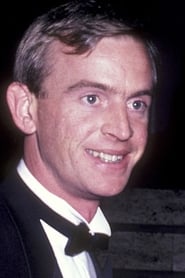
Lord Esker

Kala
White Eyes
Main Cast & Characters
John Clayton/Tarzan
Played by Christopher Lambert
Orphaned heir raised by apes in Africa, struggles to reconcile his dual identity when returned to civilization as Lord Greystoke.
Captain Phillippe D'Arnot
Played by Ian Holm
Belgian explorer who discovers Tarzan in the jungle and becomes his mentor, teaching him language and humanity.
Sixth Earl of Greystoke
Played by Ralph Richardson
John's grandfather who reclaims him to continue the family line, represents Victorian aristocracy and tradition.
Jane Porter
Played by Andie MacDowell
Young woman who befriends John in Scotland, represents potential connection to civilized life and romance.
Lord Esker
Played by Ian Charleson
Family solicitor and guardian who orchestrates John's return to claim his inheritance and title.
Kala
Played by Unknown
The ape who adopts and raises the orphaned John as her own son after losing her own infant.
White Eyes
Played by Unknown
Aggressive male ape who challenges Tarzan's position within the ape family and social hierarchy.
Structural Analysis
The Status Quo at 1 minutes (1% through the runtime) establishes Lord and Lady Clayton sail to Africa in 1885, representing the height of British aristocratic civilization. The ship carries all their possessions and hopes for a new life, establishing the world of privilege that will later contrast with the jungle.. The analysis reveals that this early placement immediately immerses viewers in the story world.
The inciting incident occurs at 17 minutes when The infant John Clayton is adopted by the grieving ape Kala after she loses her own baby. This moment permanently disrupts any chance of a normal human childhood, setting him on the path to becoming Tarzan of the Apes.. At 12% through the film, this Disruption aligns precisely with traditional story structure. This beat shifts the emotional landscape, launching the protagonist into the central conflict.
The First Threshold at 36 minutes marks the transition into Act II, occurring at 25% of the runtime. This indicates the protagonist's commitment to The adult Tarzan defeats the silverback in combat and becomes the leader of the ape tribe. This victory represents his complete integration into the ape world and marks his choice to fully embrace his jungle identity as the dominant male., moving from reaction to action.
At 72 minutes, the Midpoint arrives at 50% of the runtime—precisely centered, creating perfect narrative symmetry. Notably, this crucial beat Tarzan arrives at Greystoke Manor and meets his elderly grandfather, the 6th Earl of Greystoke. The old man embraces his long-lost grandson with overwhelming joy, and John Clayton is publicly acknowledged as the legitimate heir. This false victory seems to restore everything lost in childhood., fundamentally raising what's at risk. The emotional intensity shifts, dividing the narrative into clear before-and-after phases.
The Collapse moment at 107 minutes (75% through) represents the emotional nadir. Here, The elderly Earl of Greystoke falls down the stairs while playfully mimicking ape behavior that John had demonstrated. He dies from his injuries. The death is devastating - John's attempt to share his true self with his grandfather directly causes the old man's death., illustrates the protagonist at their lowest point. This beat's placement in the final quarter sets up the climactic reversal.
The Second Threshold at 114 minutes initiates the final act resolution at 80% of the runtime. John receives word that Kala, his ape mother, has been captured and is dying. He makes the irreversible decision to return to Africa, choosing his primal identity over his aristocratic birthright and his relationship with Jane., demonstrating the transformation achieved throughout the journey.
Emotional Journey
Greystoke: The Legend of Tarzan, Lord of the Apes's emotional architecture traces a deliberate progression across 15 carefully calibrated beats.
Narrative Framework
This structural analysis employs a 15-point narrative structure framework that maps key story moments. By mapping Greystoke: The Legend of Tarzan, Lord of the Apes against these established plot points, we can identify how Hugh Hudson utilizes or subverts traditional narrative conventions. The plot point approach reveals not only adherence to structural principles but also creative choices that distinguish Greystoke: The Legend of Tarzan, Lord of the Apes within the adventure genre.
Hugh Hudson's Structural Approach
Among the 3 Hugh Hudson films analyzed on Arcplot, the average structural score is 7.1, reflecting strong command of classical structure. Greystoke: The Legend of Tarzan, Lord of the Apes takes a more unconventional approach compared to the director's typical style. For comparative analysis, explore the complete Hugh Hudson filmography.
Comparative Analysis
Additional adventure films include The Black Stallion, The Bad Guys and Puss in Boots. For more Hugh Hudson analyses, see Chariots of Fire, I Dreamed of Africa.
Plot Points by Act
Act I
SetupStatus Quo
Lord and Lady Clayton sail to Africa in 1885, representing the height of British aristocratic civilization. The ship carries all their possessions and hopes for a new life, establishing the world of privilege that will later contrast with the jungle.
Theme
As the Claytons struggle to survive after their shipwreck, Lady Clayton speaks of civilization's veneer: "We are not so different from the animals." This foreshadows the central question of what separates man from beast and whether that distinction matters.
Worldbuilding
The shipwreck strands the Claytons on the African coast. They build a treehouse, Lady Clayton gives birth to their son John, but tragedy strikes as both parents die - the father killed by apes, the mother from grief and illness. The infant is discovered by the ape Kala.
Disruption
The infant John Clayton is adopted by the grieving ape Kala after she loses her own baby. This moment permanently disrupts any chance of a normal human childhood, setting him on the path to becoming Tarzan of the Apes.
Resistance
The boy grows among the apes, with Kala as his surrogate mother and guide. He learns to survive in the jungle, struggling to find his place in the ape hierarchy. The silverback Silverbeard becomes both obstacle and reluctant mentor as young Tarzan proves his worth through physical challenges.
Act II
ConfrontationFirst Threshold
The adult Tarzan defeats the silverback in combat and becomes the leader of the ape tribe. This victory represents his complete integration into the ape world and marks his choice to fully embrace his jungle identity as the dominant male.
Mirror World
Belgian explorer Captain Phillippe D'Arnot is wounded and left for dead by his expedition. Tarzan rescues him and nurses him back to health. D'Arnot becomes the bridge between Tarzan's two worlds, representing civilization's potential for connection and teaching Tarzan to speak.
Premise
Tarzan learns human language from D'Arnot and begins to understand his origins. He discovers his parents' treehouse and the evidence of his aristocratic heritage. D'Arnot convinces Tarzan to return to England to claim his birthright as Lord Greystoke.
Midpoint
Tarzan arrives at Greystoke Manor and meets his elderly grandfather, the 6th Earl of Greystoke. The old man embraces his long-lost grandson with overwhelming joy, and John Clayton is publicly acknowledged as the legitimate heir. This false victory seems to restore everything lost in childhood.
Opposition
John struggles to adapt to Victorian society. He falls in love with Jane Porter but finds English customs bewildering and often cruel. He witnesses animal abuse, rigid class hierarchies, and the hypocrisy of "civilized" behavior. His wild nature increasingly conflicts with aristocratic expectations.
Collapse
The elderly Earl of Greystoke falls down the stairs while playfully mimicking ape behavior that John had demonstrated. He dies from his injuries. The death is devastating - John's attempt to share his true self with his grandfather directly causes the old man's death.
Crisis
John is consumed by grief and guilt over his grandfather's death. He questions whether he can ever truly belong in either world. The funeral and its formal rituals feel alien and suffocating. He begins to realize that civilization may have cost him everything he loved.
Act III
ResolutionSecond Threshold
John receives word that Kala, his ape mother, has been captured and is dying. He makes the irreversible decision to return to Africa, choosing his primal identity over his aristocratic birthright and his relationship with Jane.
Synthesis
John returns to Africa and finds Kala in captivity, mortally wounded. He holds her as she dies, grieving the loss of his true mother. Jane follows him to Africa, demonstrating her love, but John releases her from any obligation. He chooses to remain in the jungle.
Transformation
John stands alone at the jungle's edge as Jane's ship departs. Unlike the opening image of civilized aristocrats sailing to Africa, we see a man stripped of both worlds - neither fully ape nor fully human, lord of nothing. His transformation is one of tragic acceptance rather than triumph.