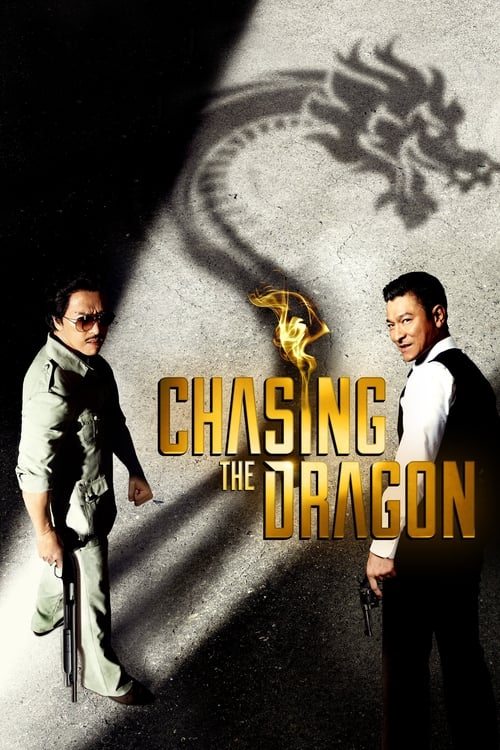
Chasing the Dragon
An illegal immigrant from Mainland China sneaks into the corrupt British-colonized Hong Kong in 1963, transforming himself into a ruthless drug lord.
The film financial setback against its major studio investment of $200.0M, earning $88.0M globally (-56% loss). While initial box office returns were modest, the film has gained appreciation for its unconventional structure within the action genre.


Plot Structure
Story beats plotted across runtime


Narrative Arc
Emotional journey through the story's key moments
Story Circle
Blueprint 15-beat structure
Arcplot Score Breakdown
Weighted: Precision (70%) + Arc (15%) + Theme (15%)
Chasing the Dragon (2017) demonstrates carefully calibrated story structure, characteristic of Wong Jing's storytelling approach. This structural analysis examines how the film's 15-point plot structure maps to proven narrative frameworks across 2 hours and 8 minutes. With an Arcplot score of 6.9, the film balances conventional beats with creative variation.
Characters
Cast & narrative archetypes

Crippled Ho
Lee Rock
May
Fatty Lui
Inspector Hak
Tai Hei
Main Cast & Characters
Crippled Ho
Played by Donnie Yen
An illegal immigrant from mainland China who rises to become Hong Kong's most powerful drug lord in the 1960s-70s.
Lee Rock
Played by Andy Lau
A corrupt Hong Kong police sergeant who becomes the most powerful and wealthy officer through bribery and protection rackets.
May
Played by Kara Wai
Crippled Ho's loyal wife who stands by him through his rise to power and eventual downfall.
Fatty Lui
Played by Kent Cheng
A fellow police officer and colleague of Lee Rock, involved in the corruption network.
Inspector Hak
Played by Philip Keung
A senior police inspector who mentors Lee Rock in the ways of corruption and power.
Tai Hei
Played by Bryan Larkin
A powerful triad leader and early ally of Crippled Ho in establishing the drug empire.
Structural Analysis
The Status Quo at 1 minutes (1% through the runtime) establishes Ho arrives in 1960s Hong Kong as a poor refugee from mainland China, carrying his disabled mother on his back through the crowded, chaotic streets of Kowloon Walled City. He is desperate, powerless, and seeking survival in a corrupt British colonial system.. The analysis reveals that this early placement immediately immerses viewers in the story world.
The inciting incident occurs at 15 minutes when Ho's mother dies, and he has no money for her funeral. In desperation and rage at his powerlessness, he joins a street gang and participates in his first violent robbery, crossing the line from victim to criminal.. At 12% through the film, this Disruption aligns precisely with traditional story structure. This beat shifts the emotional landscape, launching the protagonist into the central conflict.
The First Threshold at 32 minutes marks the transition into Act II, occurring at 25% of the runtime. This illustrates the protagonist's commitment to Ho makes the active choice to enter the drug trade, partnering with Lee Rock in an arrangement where Ho runs the criminal operations and Lee provides police protection. They seal their alliance with a blood oath, and Ho commits fully to becoming a drug lord., moving from reaction to action.
At 63 minutes, the Midpoint arrives at 50% of the runtime—precisely centered, creating perfect narrative symmetry. Structural examination shows that this crucial beat False victory: Ho becomes the undisputed drug lord of Hong Kong, and Lee Rock becomes Chief Detective Sergeant. They celebrate their empire at its peak. But the British authorities are beginning to take notice, and Ho's ruthlessness has made him many enemies. The stakes are raised - they have more to lose than ever., fundamentally raising what's at risk. The emotional intensity shifts, dividing the narrative into clear before-and-after phases.
The Collapse moment at 95 minutes (74% through) represents the emotional nadir. Here, The ICAC launches a massive crackdown. Lee Rock flees to Taiwan with his fortune, abandoning Ho. Ho is betrayed by his own lieutenants and arrested. In custody, he realizes his empire has crumbled, his partner has abandoned him, and Ah Chun has left him. Everything he built through violence is gone - a metaphorical death of his identity as an untouchable crime lord., reveals the protagonist at their lowest point. This beat's placement in the final quarter sets up the climactic reversal.
The Second Threshold at 102 minutes initiates the final act resolution at 80% of the runtime. Ho accepts his fate with grim dignity. He realizes there is no escape or redemption, only acceptance. The synthesis of his journey: he understands now that the theme stated at the beginning was true - in making his own rules, he destroyed himself. He chooses to face justice rather than continue fighting., demonstrating the transformation achieved throughout the journey.
Emotional Journey
Chasing the Dragon's emotional architecture traces a deliberate progression across 15 carefully calibrated beats.
Narrative Framework
This structural analysis employs structural analysis methodology used to understand storytelling architecture. By mapping Chasing the Dragon against these established plot points, we can identify how Wong Jing utilizes or subverts traditional narrative conventions. The plot point approach reveals not only adherence to structural principles but also creative choices that distinguish Chasing the Dragon within the action genre.
Wong Jing's Structural Approach
Among the 3 Wong Jing films analyzed on Arcplot, the average structural score is 7.2, reflecting strong command of classical structure. Chasing the Dragon takes a more unconventional approach compared to the director's typical style. For comparative analysis, explore the complete Wong Jing filmography.
Comparative Analysis
Additional action films include The Bad Guys, Puss in Boots and Venom: The Last Dance. For more Wong Jing analyses, see Chasing the Dragon II: Wild Wild Bunch, God of Gamblers.
Plot Points by Act
Act I
SetupStatus Quo
Ho arrives in 1960s Hong Kong as a poor refugee from mainland China, carrying his disabled mother on his back through the crowded, chaotic streets of Kowloon Walled City. He is desperate, powerless, and seeking survival in a corrupt British colonial system.
Theme
A local gang member tells Ho: "In Hong Kong, there are only two ways to survive - you either follow the rules or you make them." This establishes the central theme of power, corruption, and the cost of ambition in a lawless society.
Worldbuilding
Ho struggles to make ends meet working odd jobs while caring for his mother. We meet Lee Rock, a charismatic but corrupt British Hong Kong police sergeant who controls the drug trade. The film establishes the power dynamics: British colonials on top, corrupt Chinese police in the middle, and gangs/refugees at the bottom.
Disruption
Ho's mother dies, and he has no money for her funeral. In desperation and rage at his powerlessness, he joins a street gang and participates in his first violent robbery, crossing the line from victim to criminal.
Resistance
Ho proves himself ruthless and capable in the criminal underworld, earning the nickname "Crippled Ho" after being injured in a gang fight. He debates whether to continue down this violent path. Meanwhile, Lee Rock mentors him informally, recognizing Ho's potential and ambition. Ho learns the system: pay bribes, build connections, show strength.
Act II
ConfrontationFirst Threshold
Ho makes the active choice to enter the drug trade, partnering with Lee Rock in an arrangement where Ho runs the criminal operations and Lee provides police protection. They seal their alliance with a blood oath, and Ho commits fully to becoming a drug lord.
Mirror World
Ho falls in love with Ah Chun, a nightclub hostess who represents innocence and redemption. She doesn't know the extent of his criminal activities. Their relationship becomes the emotional subplot that carries the theme of whether power and money are worth losing one's humanity.
Premise
The "promise of the premise" - watching Ho and Lee Rock build a criminal empire. Ho expands his drug operations, eliminates rival gangs, and becomes increasingly wealthy and powerful. Lee Rock rises through police ranks while collecting massive bribes. Stylish montages show their success, wealth, and the dark glamour of 1960s Hong Kong organized crime.
Midpoint
False victory: Ho becomes the undisputed drug lord of Hong Kong, and Lee Rock becomes Chief Detective Sergeant. They celebrate their empire at its peak. But the British authorities are beginning to take notice, and Ho's ruthlessness has made him many enemies. The stakes are raised - they have more to lose than ever.
Opposition
The British colonial government establishes the Independent Commission Against Corruption (ICAC) to crack down on police corruption. Rival gangs plot revenge against Ho. Lee Rock's greed intensifies, creating tension in their partnership. Ho's relationship with Ah Chun deteriorates as she learns the truth about his business. The walls close in from multiple directions.
Collapse
The ICAC launches a massive crackdown. Lee Rock flees to Taiwan with his fortune, abandoning Ho. Ho is betrayed by his own lieutenants and arrested. In custody, he realizes his empire has crumbled, his partner has abandoned him, and Ah Chun has left him. Everything he built through violence is gone - a metaphorical death of his identity as an untouchable crime lord.
Crisis
Ho sits in prison, reflecting on the cost of his ambition. He processes the loss of everything - power, wealth, love, and friendship. The dark night of his soul as he contemplates whether his rise was worth the fall. He sees news of Lee Rock living comfortably in exile while he faces life imprisonment.
Act III
ResolutionSecond Threshold
Ho accepts his fate with grim dignity. He realizes there is no escape or redemption, only acceptance. The synthesis of his journey: he understands now that the theme stated at the beginning was true - in making his own rules, he destroyed himself. He chooses to face justice rather than continue fighting.
Synthesis
The finale shows Ho's trial and sentencing. Flashbacks intercut with present-day scenes reveal the full scope of his crimes and their human cost. Lee Rock remains in comfortable exile in Taiwan, unpunished. The British authorities use Ho as a scapegoat while the colonial system remains corrupt. Ho is sentenced to life imprisonment.
Transformation
Final image mirrors the opening: Ho is carried (now in shackles, by guards) into prison, just as he once carried his mother into Hong Kong. But where he entered the city with hope and his humanity intact, he now enters prison having lost everything - a transformed man broken by his own ambition. The cycle of corruption continues without him.