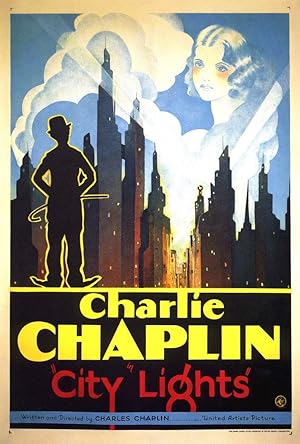
City Lights
A tramp falls in love with a beautiful blind girl. Her family is in financial trouble. The tramp's on-and-off friendship with a wealthy man allows him to be the girl's benefactor and suitor.
Despite its modest budget of $1.5M, City Lights became a commercial success, earning $4.3M worldwide—a 183% return.
6 wins


Plot Structure
Story beats plotted across runtime


Narrative Arc
Emotional journey through the story's key moments
Story Circle
Blueprint 15-beat structure
Arcplot Score Breakdown
Weighted: Precision (70%) + Arc (15%) + Theme (15%)
City Lights (1931) reveals strategically placed plot construction, characteristic of Charlie Chaplin's storytelling approach. This structural analysis examines how the film's 15-point plot structure maps to proven narrative frameworks across 1 hour and 27 minutes. With an Arcplot score of 3.8, the film takes an unconventional approach to traditional narrative frameworks.
Characters
Cast & narrative archetypes

The Tramp
The Blind Girl
The Eccentric Millionaire
Main Cast & Characters
The Tramp
Played by Charlie Chaplin
A kind-hearted homeless man who falls in love with a blind flower girl and befriends a suicidal millionaire.
The Blind Girl
Played by Virginia Cherrill
A poor flower seller who mistakes the Tramp for a wealthy man and becomes the object of his devotion.
The Eccentric Millionaire
Played by Harry Myers
A wealthy man who befriends the Tramp when drunk but doesn't recognize him when sober.
Structural Analysis
The Status Quo at 1 minutes (1% through the runtime) establishes A monument to "Peace and Prosperity" is unveiled, revealing the Tramp sleeping in the lap of a statue, immediately establishing him as an outsider in a society that celebrates wealth while ignoring its poor.. Significantly, this early placement immediately immerses viewers in the story world.
The inciting incident occurs at 9 minutes when The Tramp encounters the blind Flower Girl and becomes enchanted by her gentle nature. When she mistakes him for a millionaire, he chooses not to correct her—a fateful deception born of love that will define his journey.. At 11% through the film, this Disruption aligns precisely with traditional story structure. This beat shifts the emotional landscape, launching the protagonist into the central conflict.
The First Threshold at 20 minutes marks the transition into Act II, occurring at 22% of the runtime. This indicates the protagonist's commitment to The Tramp commits fully to maintaining his wealthy facade for the Flower Girl, using the Millionaire's car and money to visit her. He actively chooses to live a double life, entering the world of romantic deception to win her heart., moving from reaction to action.
At 39 minutes, the Midpoint arrives at 45% of the runtime—arriving early, accelerating into Act IIb complications. Of particular interest, this crucial beat The Tramp learns that a Viennese doctor can cure the Flower Girl's blindness—but the operation costs a thousand dollars. The stakes transform from romantic pursuit to desperate mission: he must save her sight or lose her forever when she sees the truth., fundamentally raising what's at risk. The emotional intensity shifts, dividing the narrative into clear before-and-after phases.
The Collapse moment at 59 minutes (67% through) represents the emotional nadir. Here, The Tramp obtains the thousand dollars from the Millionaire but is accused of theft when burglars intervene and the Millionaire, now sober, doesn't remember him. The Tramp gives the money to the Flower Girl but is arrested, losing everything—his freedom, his love, his dignity., demonstrates the protagonist at their lowest point. This beat's placement in the final quarter sets up the climactic reversal.
The Second Threshold at 62 minutes initiates the final act resolution at 72% of the runtime. Months pass. The Tramp is released from prison, more ragged than ever. The Flower Girl, now healed and running a prosperous flower shop, awaits her wealthy benefactor. The Tramp must face the moment of truth—being seen as he truly is., demonstrating the transformation achieved throughout the journey.
Emotional Journey
City Lights's emotional architecture traces a deliberate progression across 15 carefully calibrated beats.
Narrative Framework
This structural analysis employs structural analysis methodology used to understand storytelling architecture. By mapping City Lights against these established plot points, we can identify how Charlie Chaplin utilizes or subverts traditional narrative conventions. The plot point approach reveals not only adherence to structural principles but also creative choices that distinguish City Lights within the comedy genre.
Charlie Chaplin's Structural Approach
Among the 4 Charlie Chaplin films analyzed on Arcplot, the average structural score is 4.4, showcasing experimental approaches to narrative form. City Lights takes a more unconventional approach compared to the director's typical style. For comparative analysis, explore the complete Charlie Chaplin filmography.
Comparative Analysis
Additional comedy films include The Bad Guys, Ella Enchanted and The Evening Star. For more Charlie Chaplin analyses, see The Great Dictator, The Kid and Modern Times.
Plot Points by Act
Act I
SetupStatus Quo
A monument to "Peace and Prosperity" is unveiled, revealing the Tramp sleeping in the lap of a statue, immediately establishing him as an outsider in a society that celebrates wealth while ignoring its poor.
Theme
The blind Flower Girl mistakes the Tramp for a wealthy gentleman when a car door slams, establishing the theme that love transcends material wealth and social status—and that true seeing comes from the heart, not the eyes.
Worldbuilding
The Tramp navigates a world divided by class—he is ejected from public spaces, mocked by newsboys, yet maintains his dignity. We see the Flower Girl's humble corner where she sells flowers, establishing the economic desperation that will drive the plot.
Disruption
The Tramp encounters the blind Flower Girl and becomes enchanted by her gentle nature. When she mistakes him for a millionaire, he chooses not to correct her—a fateful deception born of love that will define his journey.
Resistance
The Tramp saves a drunken Millionaire from suicide, gaining a fair-weather friend who embraces him warmly when drunk but forgets him when sober. This relationship becomes the Tramp's unreliable guide to the world of wealth.
Act II
ConfrontationFirst Threshold
The Tramp commits fully to maintaining his wealthy facade for the Flower Girl, using the Millionaire's car and money to visit her. He actively chooses to live a double life, entering the world of romantic deception to win her heart.
Mirror World
The Tramp visits the Flower Girl's humble apartment and meets her worried Grandmother. This domestic world of genuine poverty and love contrasts sharply with the Millionaire's hollow mansion, showing the Tramp what authentic connection looks like.
Premise
The promise of the premise delivers comedic set pieces: the Tramp's disastrous party at the Millionaire's mansion, the spaghetti-eating scene, and the hilarious boxing match. Throughout, he courts the Flower Girl with gifts funded by his wealthy friend's drunken generosity.
Midpoint
The Tramp learns that a Viennese doctor can cure the Flower Girl's blindness—but the operation costs a thousand dollars. The stakes transform from romantic pursuit to desperate mission: he must save her sight or lose her forever when she sees the truth.
Opposition
The Tramp's attempts to earn money fail spectacularly—he's a disaster as a street sweeper and gets beaten in a rigged boxing match. The Millionaire leaves town, cutting off his only source of wealth. The Flower Girl falls ill, adding urgency to an impossible situation.
Collapse
The Tramp obtains the thousand dollars from the Millionaire but is accused of theft when burglars intervene and the Millionaire, now sober, doesn't remember him. The Tramp gives the money to the Flower Girl but is arrested, losing everything—his freedom, his love, his dignity.
Crisis
The Tramp is hauled away by police as the Flower Girl clutches the money that will restore her sight. He faces imprisonment knowing she will be cured but will never know the truth of his sacrifice—or worse, will see him for who he really is.
Act III
ResolutionSecond Threshold
Months pass. The Tramp is released from prison, more ragged than ever. The Flower Girl, now healed and running a prosperous flower shop, awaits her wealthy benefactor. The Tramp must face the moment of truth—being seen as he truly is.
Synthesis
The Tramp, now a broken figure, wanders past the flower shop. The Flower Girl sees a pathetic vagrant and laughs at him with her coworker. When he retrieves a flower from the gutter, she offers him a coin out of pity—and upon touching his hand, recognizes him.
Transformation
"You?" she asks. "You can see now?" he responds. "Yes, I can see now," she says—and the film's final close-up captures a profound exchange: the Tramp's hopeful yet terrified smile, her dawning recognition that true love sees beyond appearances.