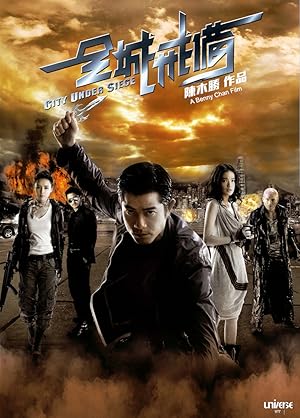
City Under Siege
When circus clown Sunny gets transformed into a super-powered mutant, he finds himself pitted against his fellow performers, who were altered in the same accident, and are now using their powers to wreak havoc around the city.
The film disappointed at the box office against its respectable budget of $17.0M, earning $13.9M globally (-19% loss).
Plot Structure
Story beats plotted across runtime


Narrative Arc
Emotional journey through the story's key moments
Story Circle
Blueprint 15-beat structure
Arcplot Score Breakdown
Weighted: Precision (70%) + Arc (15%) + Theme (15%)
City Under Siege (2010) exemplifies meticulously timed dramatic framework, characteristic of Benny Chan Muk-Sing's storytelling approach. This structural analysis examines how the film's 15-point plot structure maps to proven narrative frameworks across 1 hour and 50 minutes. With an Arcplot score of 6.8, the film balances conventional beats with creative variation.
Structural Analysis
The Status Quo at 1 minutes (1% through the runtime) establishes Sunny is a clumsy circus clown performer in a travelling troupe, struggling with his lack of talent and living in the shadow of his more successful peers.. Structural examination shows that this early placement immediately immerses viewers in the story world.
The inciting incident occurs at 14 minutes when Sunny accidentally discovers a hidden chemical weapons cache from WWII while trying to impress Angel. He and other circus members are exposed to the toxic gas, which causes grotesque physical mutations.. At 13% through the film, this Disruption is delayed, allowing extended setup of the story world. This beat shifts the emotional landscape, launching the protagonist into the central conflict.
The First Threshold at 28 minutes marks the transition into Act II, occurring at 25% of the runtime. This demonstrates the protagonist's commitment to Sunny chooses to embrace his powers and step forward as a hero when his former circus colleagues begin terrorizing Hong Kong. Despite his monstrous appearance, he decides to protect the city and Angel., moving from reaction to action.
At 55 minutes, the Midpoint arrives at 50% of the runtime—precisely centered, creating perfect narrative symmetry. Structural examination shows that this crucial beat False defeat: The mutated villains execute a major attack on the city, and Sunny's attempts to stop them fail catastrophically. The public begins to fear all mutants, including Sunny, and Angel is put in danger. The stakes escalate significantly., fundamentally raising what's at risk. The emotional intensity shifts, dividing the narrative into clear before-and-after phases.
The Collapse moment at 83 minutes (75% through) represents the emotional nadir. Here, Angel is captured by the mutant criminals and held hostage. Sunny is severely beaten and left for dead. He faces the death of his dream - he can't save the woman he loves, and his monstrous appearance means he can never truly be with her even if he succeeds., shows the protagonist at their lowest point. This beat's placement in the final quarter sets up the climactic reversal.
The Second Threshold at 88 minutes initiates the final act resolution at 80% of the runtime. Sunny realizes that true heroism isn't about recognition or reward - it's about doing what's right regardless of personal cost. He synthesizes his old circus skills with his new powers and accepts his appearance, finding strength in who he truly is inside., demonstrating the transformation achieved throughout the journey.
Emotional Journey
City Under Siege's emotional architecture traces a deliberate progression across 15 carefully calibrated beats.
Narrative Framework
This structural analysis employs structural analysis methodology used to understand storytelling architecture. By mapping City Under Siege against these established plot points, we can identify how Benny Chan Muk-Sing utilizes or subverts traditional narrative conventions. The plot point approach reveals not only adherence to structural principles but also creative choices that distinguish City Under Siege within the action genre.
Benny Chan Muk-Sing's Structural Approach
Among the 5 Benny Chan Muk-Sing films analyzed on Arcplot, the average structural score is 7.3, reflecting strong command of classical structure. City Under Siege takes a more unconventional approach compared to the director's typical style. For comparative analysis, explore the complete Benny Chan Muk-Sing filmography.
Comparative Analysis
Additional action films include The Ministry of Ungentlemanly Warfare, The Bad Guys and Lake Placid. For more Benny Chan Muk-Sing analyses, see Shaolin, Raging Fire and Invisible Target.
Plot Points by Act
Act I
SetupStatus Quo
Sunny is a clumsy circus clown performer in a travelling troupe, struggling with his lack of talent and living in the shadow of his more successful peers.
Theme
A troupe member mentions that 'real strength comes from within, not from what you look like on the outside' - foreshadowing Sunny's transformation and the film's exploration of identity versus ability.
Worldbuilding
Establishment of Sunny's ordinary world: his relationship with Angel (the animal trainer he loves), his position as the troupe's underdog, and the circus's financial struggles. We see his desire to be a hero contrasted with his bumbling reality.
Disruption
Sunny accidentally discovers a hidden chemical weapons cache from WWII while trying to impress Angel. He and other circus members are exposed to the toxic gas, which causes grotesque physical mutations.
Resistance
Sunny grapples with his horrific transformation - his face becomes deformed and bloated. While others gain superhuman strength, he must decide whether to hide in shame or use his new abilities. The police investigate the chemical exposure while mutated circus members begin committing crimes.
Act II
ConfrontationFirst Threshold
Sunny chooses to embrace his powers and step forward as a hero when his former circus colleagues begin terrorizing Hong Kong. Despite his monstrous appearance, he decides to protect the city and Angel.
Mirror World
Angel, unaware that the deformed hero is Sunny, begins to see the heroism in this mysterious protector. Their relationship develops on new terms, reflecting the theme that true worth isn't based on appearance.
Premise
The fun of the premise: Sunny uses his superhuman strength to battle the mutated circus criminals terrorizing Hong Kong. Action sequences showcase his abilities while he struggles to keep his identity secret from Angel and deal with his grotesque appearance.
Midpoint
False defeat: The mutated villains execute a major attack on the city, and Sunny's attempts to stop them fail catastrophically. The public begins to fear all mutants, including Sunny, and Angel is put in danger. The stakes escalate significantly.
Opposition
The mutated criminals intensify their crime spree. Sunny faces increasing opposition from both the villains and the authorities who can't distinguish him from the criminals. His relationship with Angel becomes more complicated as she's drawn to the hero but mourns the 'lost' Sunny.
Collapse
Angel is captured by the mutant criminals and held hostage. Sunny is severely beaten and left for dead. He faces the death of his dream - he can't save the woman he loves, and his monstrous appearance means he can never truly be with her even if he succeeds.
Crisis
Sunny contemplates giving up, wrestling with the futility of being a hero when he's lost everything that mattered. He must confront whether heroism means anything if he remains forever alone and monstrous. His dark night of accepting his fate.
Act III
ResolutionSecond Threshold
Sunny realizes that true heroism isn't about recognition or reward - it's about doing what's right regardless of personal cost. He synthesizes his old circus skills with his new powers and accepts his appearance, finding strength in who he truly is inside.
Synthesis
The finale: Sunny launches a full assault on the mutant criminals' hideout. He rescues Angel and defeats the villains in an epic confrontation, fully embracing both his powers and his appearance. He reveals his identity to Angel in the climactic battle.
Transformation
Final image mirrors the opening: Sunny performs again, but now with confidence and self-acceptance. Angel loves him for who he is, not what he looks like. The former clown has become a true hero, having learned that inner strength matters more than outer appearance.