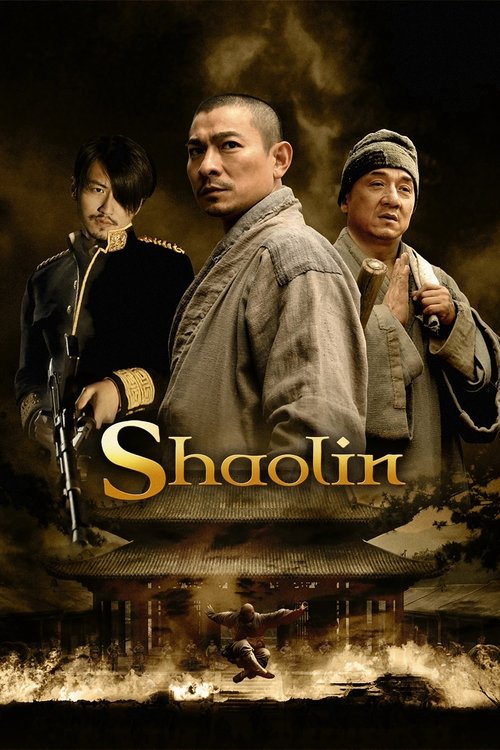
Shaolin
China is plunged into strife as feuding warlords try to expand their power by warring over neighboring lands. Fuelled by his success on the battlefield, young and arrogant Hao Jie sneers at Shaolin's masters when he beats one of them in a duel. But the pride comes before a fall. When his own family is wiped out by a rival warlord, Hao is forced to take refuge with the monks. As the civil unrest spreads and the people suffer, Hao and the Shaolin masters are forced to take a fiery stand against the evil warlords. They launch a daring plan or rescue and escape.
Working with a mid-range budget of $29.0M, the film achieved a respectable showing with $33.7M in global revenue (+16% profit margin).


Plot Structure
Story beats plotted across runtime


Narrative Arc
Emotional journey through the story's key moments
Story Circle
Blueprint 15-beat structure
Arcplot Score Breakdown
Weighted: Precision (70%) + Arc (15%) + Theme (15%)
Shaolin (2011) exemplifies precise story structure, characteristic of Benny Chan Muk-Sing's storytelling approach. This structural analysis examines how the film's 15-point plot structure maps to proven narrative frameworks across 2 hours and 11 minutes. With an Arcplot score of 7.6, the film showcases strong structural fundamentals.
Characters
Cast & narrative archetypes

Hou Jie
Cao Man
Abbot Shi
Yan Xi
Wudao
Jingneng
Song Hu
Main Cast & Characters
Hou Jie
Played by Andy Lau
A ruthless warlord who seeks refuge at Shaolin Temple after losing everything, undergoing a profound spiritual transformation from soldier to monk.
Cao Man
Played by Nicholas Tse
Hou Jie's ambitious and treacherous deputy who betrays his commander to seize power, becoming the primary antagonist.
Abbot Shi
Played by Jackie Chan
The wise and compassionate head monk of Shaolin Temple who guides Hou Jie's spiritual journey and protects the temple.
Yan Xi
Played by Fan Bingbing
Hou Jie's devoted wife who tries to maintain her husband's humanity and later supports his path to redemption.
Wudao
Played by Wu Jing
A cook monk at Shaolin Temple who befriends Hou Jie and teaches him about humility, compassion, and the true meaning of strength.
Jingneng
Played by Yu Shaoqun
A senior monk who helps train Hou Jie in martial arts and Buddhist principles during his transformation.
Song Hu
Played by Xing Yu
Cao Man's ruthless military advisor and enforcer who carries out brutal orders against Shaolin.
Structural Analysis
The Status Quo at 2 minutes (2% through the runtime) establishes Warlord Hou Jie ruthlessly executes prisoners and celebrates his power in 1920s China, establishing him as a brutal, ambitious military leader consumed by pride and violence.. Notably, this early placement immediately immerses viewers in the story world.
The inciting incident occurs at 15 minutes when Cao Man betrays Hou Jie in a violent coup, killing Hou's daughter in the attack. Hou barely escapes with his life, losing everything: his power, his army, his family.. At 12% through the film, this Disruption aligns precisely with traditional story structure. This beat shifts the emotional landscape, launching the protagonist into the central conflict.
The First Threshold at 32 minutes marks the transition into Act II, occurring at 24% of the runtime. This demonstrates the protagonist's commitment to Hou Jie makes the active choice to become a monk, shaving his head and taking vows. He commits to the Shaolin path, entering a new world of discipline and spiritual practice., moving from reaction to action.
At 66 minutes, the Midpoint arrives at 50% of the runtime—precisely centered, creating perfect narrative symmetry. Notably, this crucial beat Cao Man discovers Hou's location at the temple and begins plotting against Shaolin. The stakes raise as the false peace is shattered—Hou's past catches up with his present., fundamentally raising what's at risk. The emotional intensity shifts, dividing the narrative into clear before-and-after phases.
The Collapse moment at 96 minutes (73% through) represents the emotional nadir. Here, Wudao is killed protecting refugees from Cao Man's forces. The death of Hou's mentor and friend represents the "whiff of death"—the loss of the man who taught him compassion., illustrates the protagonist at their lowest point. This beat's placement in the final quarter sets up the climactic reversal.
The Second Threshold at 104 minutes initiates the final act resolution at 80% of the runtime. Hou synthesizes warrior and monk: he will fight to protect the innocent, but with compassion rather than hatred. He leads the Shaolin monks to defend refugees, merging his past skills with new wisdom., demonstrating the transformation achieved throughout the journey.
Emotional Journey
Shaolin's emotional architecture traces a deliberate progression across 15 carefully calibrated beats.
Narrative Framework
This structural analysis employs proven narrative structure principles that track dramatic progression. By mapping Shaolin against these established plot points, we can identify how Benny Chan Muk-Sing utilizes or subverts traditional narrative conventions. The plot point approach reveals not only adherence to structural principles but also creative choices that distinguish Shaolin within the action genre.
Benny Chan Muk-Sing's Structural Approach
Among the 3 Benny Chan Muk-Sing films analyzed on Arcplot, the average structural score is 7.4, reflecting strong command of classical structure. Shaolin represents one of the director's most structurally precise works. For comparative analysis, explore the complete Benny Chan Muk-Sing filmography.
Comparative Analysis
Additional action films include The Bad Guys, Puss in Boots and Venom: The Last Dance. For more Benny Chan Muk-Sing analyses, see Raging Fire, New Police Story.
Plot Points by Act
Act I
SetupStatus Quo
Warlord Hou Jie ruthlessly executes prisoners and celebrates his power in 1920s China, establishing him as a brutal, ambitious military leader consumed by pride and violence.
Theme
The Shaolin abbot tells Hou Jie: "Mercy and compassion are the greatest strengths." Hou dismisses this, representing the thematic journey he must take from violence to enlightenment.
Worldbuilding
Establishment of Hou Jie's world: his position as warlord, relationship with deputy Cao Man, his family (wife and young daughter), and the Shaolin Temple existing peacefully nearby.
Disruption
Cao Man betrays Hou Jie in a violent coup, killing Hou's daughter in the attack. Hou barely escapes with his life, losing everything: his power, his army, his family.
Resistance
Wounded and broken, Hou resists accepting help from the Shaolin monks. The cook Wudao becomes his reluctant guide, nursing him back to health while Hou struggles with grief and rage.
Act II
ConfrontationFirst Threshold
Hou Jie makes the active choice to become a monk, shaving his head and taking vows. He commits to the Shaolin path, entering a new world of discipline and spiritual practice.
Mirror World
Hou deepens his relationship with Wudao (the cook), who embodies the theme of humility and service. Their bond represents the compassionate alternative to Hou's former life of violence.
Premise
Hou trains in Shaolin kung fu and philosophy, learning discipline, humility, and compassion. He bonds with the monks, helps refugees, and begins his transformation from warrior to protector.
Midpoint
Cao Man discovers Hou's location at the temple and begins plotting against Shaolin. The stakes raise as the false peace is shattered—Hou's past catches up with his present.
Opposition
Cao Man increases pressure on the temple, foreign powers encroach, and Hou must reconcile his warrior skills with his monk's vows. Internal and external conflicts intensify as war approaches.
Collapse
Wudao is killed protecting refugees from Cao Man's forces. The death of Hou's mentor and friend represents the "whiff of death"—the loss of the man who taught him compassion.
Crisis
Hou grieves Wudao's death and faces his dark night of the soul. He must choose between revenge (his old nature) and protecting others with compassion (his new understanding).
Act III
ResolutionSecond Threshold
Hou synthesizes warrior and monk: he will fight to protect the innocent, but with compassion rather than hatred. He leads the Shaolin monks to defend refugees, merging his past skills with new wisdom.
Synthesis
The battle for Shaolin Temple. Hou and the monks fight Cao Man's forces to protect refugees. Hou confronts Cao Man, choosing mercy over revenge, fully embodying his transformation.
Transformation
Hou stands among the ruins with surviving monks and refugees, having sacrificed everything for others. The former warlord is now a true protector, transformed through compassion and humility.