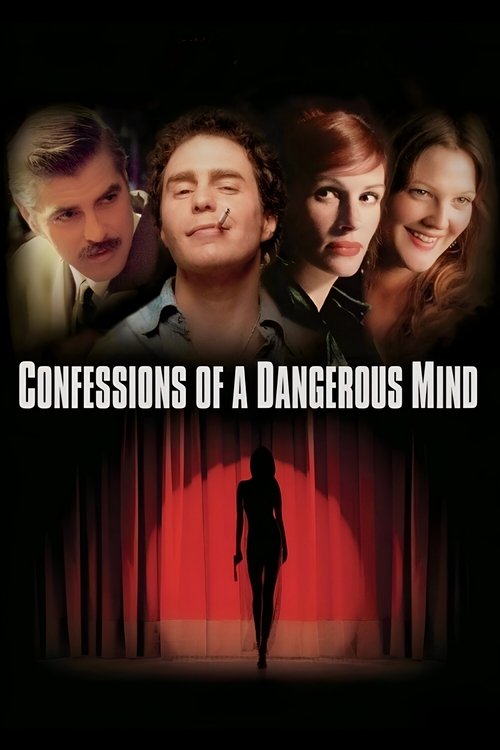
Confessions of a Dangerous Mind
Television made him famous, but his biggest hits happened off screen. Television producer by day, CIA assassin by night, Chuck Barris was recruited by the CIA at the height of his TV career and trained to become a covert operative. Or so Barris said.
Working with a mid-range budget of $30.0M, the film achieved a steady performer with $33.0M in global revenue (+10% profit margin).
7 wins & 12 nominations


Plot Structure
Story beats plotted across runtime


Narrative Arc
Emotional journey through the story's key moments
Story Circle
Blueprint 15-beat structure
Arcplot Score Breakdown
Weighted: Precision (70%) + Arc (15%) + Theme (15%)
Confessions of a Dangerous Mind (2002) exhibits deliberately positioned narrative design, characteristic of George Clooney's storytelling approach. This structural analysis examines how the film's 15-point plot structure maps to proven narrative frameworks across 1 hour and 53 minutes. With an Arcplot score of 6.4, the film takes an unconventional approach to traditional narrative frameworks.
Characters
Cast & narrative archetypes

Chuck Barris
Penny
Patricia Watson
Jim Byrd
Main Cast & Characters
Chuck Barris
Played by Sam Rockwell
Game show creator and self-proclaimed CIA assassin who lives a double life of entertainment success and alleged espionage.
Penny
Played by Drew Barrymore
Chuck's on-and-off girlfriend who struggles with his infidelity and mysterious absences.
Patricia Watson
Played by Julia Roberts
Mysterious CIA operative who recruits Chuck as an assassin and becomes his handler.
Jim Byrd
Played by George Clooney
Chuck's CIA contact and supervisor who coordinates his assassination assignments.
Structural Analysis
The Status Quo at 1 minutes (1% through the runtime) establishes Chuck Barris sits in a hotel room, paranoid and disheveled, staring at himself in the mirror. The opening establishes his fractured mental state and the question of truth versus delusion that will define the narrative.. Structural examination shows that this early placement immediately immerses viewers in the story world.
The inciting incident occurs at 13 minutes when Jim Byrd, a mysterious CIA operative, approaches Chuck in a bar and recruits him to become an assassin. The offer is bizarre, dangerous, and seemingly impossible - but it promises to make Chuck "important.".. At 12% through the film, this Disruption aligns precisely with traditional story structure. This beat shifts the emotional landscape, launching the protagonist into the central conflict.
The First Threshold at 28 minutes marks the transition into Act II, occurring at 25% of the runtime. This indicates the protagonist's commitment to Chuck completes his first CIA assassination in Helsinki, shooting a man in cold blood. He crosses the point of no return, choosing to become both a game show creator and a killer - a double life begins., moving from reaction to action.
At 56 minutes, the Midpoint arrives at 50% of the runtime—precisely centered, creating perfect narrative symmetry. Notably, this crucial beat Chuck achieves peak success: "The Gong Show" makes him a household name and celebrity. It's a false victory - the public fame amplifies his inner emptiness and makes his secret life more dangerous and unsustainable. The stakes raise dramatically., fundamentally raising what's at risk. The emotional intensity shifts, dividing the narrative into clear before-and-after phases.
The Collapse moment at 84 minutes (74% through) represents the emotional nadir. Here, Chuck has a complete mental breakdown. He can no longer distinguish reality from delusion, loses "The Gong Show," and Penny leaves him. His identity - both as entertainer and assassin - disintegrates. A psychological death., reveals the protagonist at their lowest point. This beat's placement in the final quarter sets up the climactic reversal.
The Second Threshold at 90 minutes initiates the final act resolution at 79% of the runtime. Chuck decides to write his memoir, "Confessions of a Dangerous Mind," choosing to tell his truth regardless of whether anyone believes it. He synthesizes his two lives by owning his story, real or imagined., demonstrating the transformation achieved throughout the journey.
Emotional Journey
Confessions of a Dangerous Mind's emotional architecture traces a deliberate progression across 15 carefully calibrated beats.
Narrative Framework
This structural analysis employs systematic plot point analysis that identifies crucial turning points. By mapping Confessions of a Dangerous Mind against these established plot points, we can identify how George Clooney utilizes or subverts traditional narrative conventions. The plot point approach reveals not only adherence to structural principles but also creative choices that distinguish Confessions of a Dangerous Mind within the comedy genre.
George Clooney's Structural Approach
Among the 7 George Clooney films analyzed on Arcplot, the average structural score is 6.9, demonstrating varied approaches to story architecture. Confessions of a Dangerous Mind takes a more unconventional approach compared to the director's typical style. For comparative analysis, explore the complete George Clooney filmography.
Comparative Analysis
Additional comedy films include The Bad Guys, Ella Enchanted and The Evening Star. For more George Clooney analyses, see The Ides of March, Good Night, and Good Luck. and Leatherheads.
Plot Points by Act
Act I
SetupStatus Quo
Chuck Barris sits in a hotel room, paranoid and disheveled, staring at himself in the mirror. The opening establishes his fractured mental state and the question of truth versus delusion that will define the narrative.
Theme
Young Chuck's mother tells him, "You're going to do something important with your life." This plants the thematic question: What constitutes a meaningful life? Fame, service, or something else entirely?
Worldbuilding
Chuck's early life in the 1950s-60s: his womanizing, his failure as an NBC page, his desperate attempts to break into television, and his hollow pursuit of success and sex. We see his charm, ambition, and deep insecurity.
Disruption
Jim Byrd, a mysterious CIA operative, approaches Chuck in a bar and recruits him to become an assassin. The offer is bizarre, dangerous, and seemingly impossible - but it promises to make Chuck "important."
Resistance
Chuck wrestles with the CIA offer while simultaneously pitching "The Dating Game" to ABC. He debates whether to embrace this dark secret life, trains with the CIA, and struggles with the moral implications versus his desire for significance.
Act II
ConfrontationFirst Threshold
Chuck completes his first CIA assassination in Helsinki, shooting a man in cold blood. He crosses the point of no return, choosing to become both a game show creator and a killer - a double life begins.
Mirror World
Chuck meets Penny Pacino, a young woman who represents authenticity and genuine connection. Unlike his conquests, she challenges him emotionally and will become the relationship that holds up a mirror to his fractured identity.
Premise
The promise of the premise: Chuck living his outrageous double life. "The Dating Game" becomes a hit, he creates "The Newlywed Game," and "The Gong Show." Between tapings, he jets around the world assassinating targets. Success, fame, and killing intertwine.
Midpoint
Chuck achieves peak success: "The Gong Show" makes him a household name and celebrity. It's a false victory - the public fame amplifies his inner emptiness and makes his secret life more dangerous and unsustainable. The stakes raise dramatically.
Opposition
Everything closes in: Chuck's paranoia intensifies, his relationship with Penny deteriorates, the CIA missions become more disturbing, and he suspects he's being followed. His double life fractures him psychologically. The lies catch up.
Collapse
Chuck has a complete mental breakdown. He can no longer distinguish reality from delusion, loses "The Gong Show," and Penny leaves him. His identity - both as entertainer and assassin - disintegrates. A psychological death.
Crisis
Chuck spirals in isolation, haunted by his actions and unsure what was real. He confronts the darkness of what he's done (or believes he's done) and the emptiness of his achievements. The dark night of a fractured soul.
Act III
ResolutionSecond Threshold
Chuck decides to write his memoir, "Confessions of a Dangerous Mind," choosing to tell his truth regardless of whether anyone believes it. He synthesizes his two lives by owning his story, real or imagined.
Synthesis
Chuck completes his memoir and attempts reconciliation. He reaches out to those he hurt, particularly Penny. The finale shows him making peace with his fractured identity, accepting that his life's meaning isn't for others to validate.
Transformation
Chuck sits alone, older, still uncertain what was real. But unlike the opening, he's at peace with the ambiguity. He's owned his story. The final image mirrors the first - but he's transformed from desperate for validation to accepting the unknowable truth.