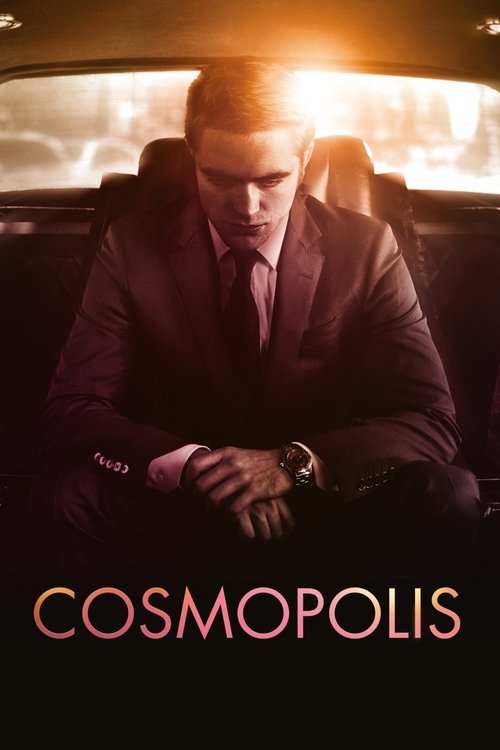
Cosmopolis
Riding across Manhattan in a stretch limo during a riot in order to get a haircut, a 28-year-old billionaire asset manager's life begins to crumble.
The film financial setback against its moderate budget of $20.5M, earning $6.1M globally (-70% loss). While initial box office returns were modest, the film has gained appreciation for its distinctive approach within the drama genre.
3 wins & 14 nominations


Plot Structure
Story beats plotted across runtime


Narrative Arc
Emotional journey through the story's key moments
Story Circle
Blueprint 15-beat structure
Arcplot Score Breakdown
Weighted: Precision (70%) + Arc (15%) + Theme (15%)
Cosmopolis (2012) exhibits carefully calibrated dramatic framework, characteristic of David Cronenberg's storytelling approach. This structural analysis examines how the film's 15-point plot structure maps to proven narrative frameworks across 1 hour and 49 minutes. With an Arcplot score of 6.9, the film balances conventional beats with creative variation.
Characters
Cast & narrative archetypes

Eric Packer
Elise Shifrin
Benno Levin
Vija Kinsky
Didi Fancher
Shiner
Jane Melman
Main Cast & Characters
Eric Packer
Played by Robert Pattinson
A 28-year-old billionaire asset manager who traverses Manhattan in his stretch limo for a haircut while his world collapses around him.
Elise Shifrin
Played by Sarah Gadon
Eric's new wife, a poet who maintains emotional distance and refuses to consummate their marriage.
Benno Levin
Played by Paul Giamatti
A disturbed former employee stalking Eric, representing the chaos Eric has created in his detached financial manipulations.
Vija Kinsky
Played by Samantha Morton
Eric's chief of theory, an intellectual who engages him in philosophical discussions about currency and reality.
Didi Fancher
Played by Juliette Binoche
Eric's mistress and art consultant who discusses the Rothko Chapel with him.
Shiner
Played by Jay Baruchel
Eric's chief of finance who warns him about his disastrous currency speculation.
Jane Melman
Played by Emily Hampshire
Eric's art adviser and another sexual partner in his emotionally vacant existence.
Structural Analysis
The Status Quo at 1 minutes (1% through the runtime) establishes Eric Packer, a 28-year-old billionaire asset manager, sits in his pristine white apartment watching multiple financial screens. He is wealthy, powerful, and emotionally disconnected from the world around him.. Notably, this early placement immediately immerses viewers in the story world.
The inciting incident occurs at 12 minutes when Eric learns the President is in town, creating traffic gridlock. Simultaneously, the yuan continues its unpredicted rise, threatening his financial position. His chief of finance warns him repeatedly, but he refuses to abandon his position.. At 11% through the film, this Disruption aligns precisely with traditional story structure. This beat shifts the emotional landscape, launching the protagonist into the central conflict.
The First Threshold at 27 minutes marks the transition into Act II, occurring at 25% of the runtime. This demonstrates the protagonist's commitment to Despite mounting losses and warnings from his team, Eric actively chooses to maintain and even increase his bet against the yuan. "I want to be a masterful fucker," he declares, committing himself to his self-destructive course of action., moving from reaction to action.
At 53 minutes, the Midpoint arrives at 49% of the runtime—precisely centered, creating perfect narrative symmetry. Of particular interest, this crucial beat Eric witnesses a protestor self-immolate outside his limousine. This act of ultimate renunciation contrasts with Eric's own inability to feel or sacrifice anything. His financial losses accelerate dramatically. The yuan continues its destructive rise., fundamentally raising what's at risk. The emotional intensity shifts, dividing the narrative into clear before-and-after phases.
The Collapse moment at 80 minutes (74% through) represents the emotional nadir. Here, Eric finally reaches the barbershop for his haircut, only to have the barber asymmetrically butcher his hair. This "whiff of death" moment symbolizes the loss of control and the destruction of his perfect image. He is financially ruined, his marriage over, his identity shattered., shows the protagonist at their lowest point. This beat's placement in the final quarter sets up the climactic reversal.
The Second Threshold at 87 minutes initiates the final act resolution at 80% of the runtime. Eric receives information about his would-be assassin, Benno Levin, a former employee. Rather than flee, Eric chooses to confront him, seeking the one genuine experience left to him: his own death., demonstrating the transformation achieved throughout the journey.
Emotional Journey
Cosmopolis's emotional architecture traces a deliberate progression across 15 carefully calibrated beats.
Narrative Framework
This structural analysis employs systematic plot point analysis that identifies crucial turning points. By mapping Cosmopolis against these established plot points, we can identify how David Cronenberg utilizes or subverts traditional narrative conventions. The plot point approach reveals not only adherence to structural principles but also creative choices that distinguish Cosmopolis within the drama genre.
David Cronenberg's Structural Approach
Among the 12 David Cronenberg films analyzed on Arcplot, the average structural score is 7.1, reflecting strong command of classical structure. Cosmopolis takes a more unconventional approach compared to the director's typical style. For comparative analysis, explore the complete David Cronenberg filmography.
Comparative Analysis
Additional drama films include After Thomas, South Pacific and Dirty Dancing: Havana Nights. For more David Cronenberg analyses, see The Brood, The Dead Zone and Eastern Promises.
Plot Points by Act
Act I
SetupStatus Quo
Eric Packer, a 28-year-old billionaire asset manager, sits in his pristine white apartment watching multiple financial screens. He is wealthy, powerful, and emotionally disconnected from the world around him.
Theme
Shiner, Eric's chief of theory, states: "A specter is haunting the world - the specter of capitalism." This establishes the film's exploration of late capitalism, technology, and the death of the self in a digital age.
Worldbuilding
Eric decides to cross Manhattan for a haircut in his cork-lined limousine. We meet his entourage: security chief Torval, doctor Ingram, currency analyst Chin, and others who enter the limo for consultations. His new wife Elise appears distant. The yuan is rising, threatening his massive bet against it.
Disruption
Eric learns the President is in town, creating traffic gridlock. Simultaneously, the yuan continues its unpredicted rise, threatening his financial position. His chief of finance warns him repeatedly, but he refuses to abandon his position.
Resistance
As the limo crawls through gridlocked streets, Eric receives visits from advisors who debate his financial strategy. He encounters anti-capitalist protestors. He pursues Elise, trying to arrange meals with her. His doctor performs a daily medical exam in the limo. His detachment and control remain absolute.
Act II
ConfrontationFirst Threshold
Despite mounting losses and warnings from his team, Eric actively chooses to maintain and even increase his bet against the yuan. "I want to be a masterful fucker," he declares, committing himself to his self-destructive course of action.
Mirror World
Eric's relationship with Elise becomes the thematic counterpoint. She represents poetry, old-world values, and human connection - everything his digital, capitalist world lacks. She refuses to have sex with him, maintaining her autonomy.
Premise
The limousine journey becomes a moving confessional and observation chamber. Eric watches riots, encounters his wife repeatedly, gets a prostate exam, witnesses a self-immolation, and continues his financial hemorrhaging. The city outside grows increasingly chaotic while he remains insulated.
Midpoint
Eric witnesses a protestor self-immolate outside his limousine. This act of ultimate renunciation contrasts with Eric's own inability to feel or sacrifice anything. His financial losses accelerate dramatically. The yuan continues its destructive rise.
Opposition
Eric's world disintegrates. His fortune evaporates with the yuan's rise. His chief of finance Chin shoots herself in his presence. Riots intensify. His affair with art consultant Didi Fancher yields no connection. He shoots another man in the hand. His wife definitively rejects him.
Collapse
Eric finally reaches the barbershop for his haircut, only to have the barber asymmetrically butcher his hair. This "whiff of death" moment symbolizes the loss of control and the destruction of his perfect image. He is financially ruined, his marriage over, his identity shattered.
Crisis
Eric wanders aimlessly after leaving the barbershop. He encounters Elise one final time in a bookstore, where she rejects him completely. He is hollow, his empire in ruins, confronting the void at his center.
Act III
ResolutionSecond Threshold
Eric receives information about his would-be assassin, Benno Levin, a former employee. Rather than flee, Eric chooses to confront him, seeking the one genuine experience left to him: his own death.
Synthesis
Eric finds Benno in a decrepit apartment. Their final confrontation is philosophical rather than physical. They discuss authenticity, asymmetry, and the death of the self. Eric shoots himself in the hand, mirroring his earlier violence. Benno holds a gun on Eric as they debate whether Eric can truly experience his own death.
Transformation
Eric sits motionless, waiting for Benno to pull the trigger. The film ends in suspended animation - Eric finally still, finally waiting, finally surrendering control. Whether the gun fires remains unknown. The master of capital has become a passive recipient of fate.