
D.O.A.
Dexter Cornell, an English Professor, becomes embroiled in a series of murders involving people around him. Dexter has good reason to want to find the murderer but hasn't much time. He finds help and comfort from one of his students, Sydney Fuller.
The film earned $12.7M at the global box office.

Plot Structure
Story beats plotted across runtime


Narrative Arc
Emotional journey through the story's key moments
Story Circle
Blueprint 15-beat structure
Arcplot Score Breakdown
Weighted: Precision (70%) + Arc (15%) + Theme (15%)
D.O.A. (1988) showcases deliberately positioned plot construction, characteristic of Annabel Jankel's storytelling approach. This structural analysis examines how the film's 15-point plot structure maps to proven narrative frameworks across 1 hour and 36 minutes. With an Arcplot score of 6.8, the film balances conventional beats with creative variation.
Characters
Cast & narrative archetypes

Dexter Cornell

Sydney Fuller

Bernard

Mrs. Fitzwaring
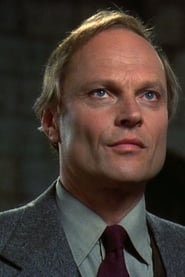
Graham Corey

Gail Cornell
Main Cast & Characters
Dexter Cornell
Played by Dennis Quaid
A college English professor who discovers he's been poisoned and has 24-48 hours to solve his own murder before he dies.
Sydney Fuller
Played by Meg Ryan
A brilliant and mysterious student who becomes romantically involved with Dexter and helps him uncover the truth.
Bernard
Played by Daniel Stern
Dexter's colleague and friend, a fellow English professor who becomes entangled in the murder investigation.
Mrs. Fitzwaring
Played by Jane Kaczmarek
A wealthy and manipulative woman connected to the conspiracy surrounding Dexter's poisoning.
Graham Corey
Played by Christopher Neame
A student whose plagiarism and family connections lead to deadly consequences.
Gail Cornell
Played by Charlotte Rampling
Dexter's estranged wife who he is separated from at the beginning of the film.
Structural Analysis
The Status Quo at 1 minutes (1% through the runtime) establishes Dexter Cornell stumbles into the police station, battered and dying, to report his own murder. The stark black-and-white opening establishes a man at the end of his rope, both literally and figuratively.. Structural examination shows that this early placement immediately immerses viewers in the story world.
The inciting incident occurs at 12 minutes when Cornell collapses and learns he's been poisoned with a luminous toxin. A doctor delivers the devastating news: he has 24 to 48 hours to live. There is no antidote. His death is certain and imminent.. At 12% through the film, this Disruption aligns precisely with traditional story structure. This beat shifts the emotional landscape, launching the protagonist into the central conflict.
The First Threshold at 24 minutes marks the transition into Act II, occurring at 25% of the runtime. This demonstrates the protagonist's commitment to Cornell makes the active choice to spend his dying hours finding his killer rather than accepting death passively. He commits fully to the investigation, transforming from victim to detective in his own murder case., moving from reaction to action.
At 48 minutes, the Midpoint arrives at 50% of the runtime—precisely centered, creating perfect narrative symmetry. Of particular interest, this crucial beat Cornell discovers that Nick Lang's manuscript was actually stolen from a member of the Fitzwaring family, and that it's worth a fortune. This false defeat reveals the stakes are much higher than academic plagiarism - people are killing to protect secrets., fundamentally raising what's at risk. The emotional intensity shifts, dividing the narrative into clear before-and-after phases.
The Collapse moment at 72 minutes (75% through) represents the emotional nadir. Here, Cornell's physical collapse reaches its nadir. Nearly incapacitated by the poison, he seems to have hit a dead end in the investigation. The "whiff of death" becomes literal as his body begins to fail completely., illustrates the protagonist at their lowest point. This beat's placement in the final quarter sets up the climactic reversal.
The Second Threshold at 77 minutes initiates the final act resolution at 80% of the runtime. Cornell has a breakthrough - he realizes Mrs. Fitzwaring orchestrated everything to protect her family's reputation and fortune. The pieces click into place, and despite his failing body, he finds the resolve for one final confrontation., demonstrating the transformation achieved throughout the journey.
Emotional Journey
D.O.A.'s emotional architecture traces a deliberate progression across 15 carefully calibrated beats.
Narrative Framework
This structural analysis employs systematic plot point analysis that identifies crucial turning points. By mapping D.O.A. against these established plot points, we can identify how Annabel Jankel utilizes or subverts traditional narrative conventions. The plot point approach reveals not only adherence to structural principles but also creative choices that distinguish D.O.A. within the mystery genre.
Annabel Jankel's Structural Approach
Among the 2 Annabel Jankel films analyzed on Arcplot, the average structural score is 7.3, reflecting strong command of classical structure. D.O.A. takes a more unconventional approach compared to the director's typical style. For comparative analysis, explore the complete Annabel Jankel filmography.
Comparative Analysis
Additional mystery films include Lone Star, The Wicker Man and A Soldier's Story. For more Annabel Jankel analyses, see Super Mario Bros..
Plot Points by Act
Act I
SetupStatus Quo
Dexter Cornell stumbles into the police station, battered and dying, to report his own murder. The stark black-and-white opening establishes a man at the end of his rope, both literally and figuratively.
Theme
A colleague remarks that Cornell has been "dead inside" since his literary failure - highlighting the irony that Cornell was spiritually dead long before the poison. The theme: what does it truly mean to be alive?
Worldbuilding
Cornell's world as a disillusioned English professor unfolds. His promising novel was never published, his relationship with student Sydney Fuller is complicated, and his teaching has become perfunctory. Student Nick Lang submits a brilliant manuscript.
Disruption
Cornell collapses and learns he's been poisoned with a luminous toxin. A doctor delivers the devastating news: he has 24 to 48 hours to live. There is no antidote. His death is certain and imminent.
Resistance
Cornell struggles to process his death sentence. He debates whether to spend his remaining hours in acceptance or action. Learning of Nick Lang's apparent suicide, he begins to sense a connection between Nick's death and his own poisoning.
Act II
ConfrontationFirst Threshold
Cornell makes the active choice to spend his dying hours finding his killer rather than accepting death passively. He commits fully to the investigation, transforming from victim to detective in his own murder case.
Mirror World
Sydney Fuller insists on joining Cornell's investigation despite the danger. Their renewed partnership represents his chance at connection and love - the things he abandoned when he gave up on life. She embodies what he needs to rediscover.
Premise
The noir investigation unfolds as Cornell races against his own mortality. He and Sydney follow leads about Nick Lang's manuscript, uncovering connections to the wealthy Fitzwaring family. Each clue brings them closer to the truth while Cornell's condition visibly deteriorates.
Midpoint
Cornell discovers that Nick Lang's manuscript was actually stolen from a member of the Fitzwaring family, and that it's worth a fortune. This false defeat reveals the stakes are much higher than academic plagiarism - people are killing to protect secrets.
Opposition
The killer Bernard actively hunts Cornell. More bodies accumulate as those connected to the manuscript are silenced. Cornell's poisoning symptoms worsen dramatically - nosebleeds, weakness, disorientation. Time and enemies close in simultaneously.
Collapse
Cornell's physical collapse reaches its nadir. Nearly incapacitated by the poison, he seems to have hit a dead end in the investigation. The "whiff of death" becomes literal as his body begins to fail completely.
Crisis
In his darkest hour, Cornell confronts not just his impending death but the life he wasted being "dead inside." Sydney stands by him as he processes both his physical mortality and his spiritual failures.
Act III
ResolutionSecond Threshold
Cornell has a breakthrough - he realizes Mrs. Fitzwaring orchestrated everything to protect her family's reputation and fortune. The pieces click into place, and despite his failing body, he finds the resolve for one final confrontation.
Synthesis
Cornell confronts Mrs. Fitzwaring and Bernard in a tense finale. The truth about Nick's murder and Cornell's poisoning is fully exposed. Justice is served even as Cornell's time runs out - he has solved his own murder.
Transformation
The film returns to the police station framing device. Cornell, having truly lived more in his final 24 hours than in years of being "dead inside," achieves a kind of peace. His transformation from spiritual death to genuine life is complete, even as physical death claims him.