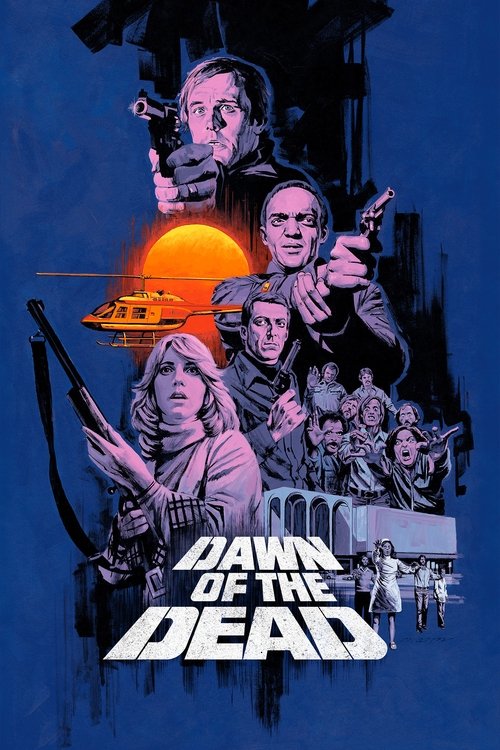
Dawn of the Dead
During an ever-growing epidemic of zombies that have risen from the dead, two Philadelphia SWAT team members, a traffic reporter, and his television-executive girlfriend seek refuge in a secluded shopping mall.
Despite its minimal budget of $640K, Dawn of the Dead became a commercial juggernaut, earning $55.0M worldwide—a remarkable 8494% return. The film's compelling narrative connected with viewers, showing that strong storytelling can transcend budget limitations.
3 wins & 2 nominations

Plot Structure
Story beats plotted across runtime


Narrative Arc
Emotional journey through the story's key moments
Story Circle
Blueprint 15-beat structure
Arcplot Score Breakdown
Weighted: Precision (70%) + Arc (15%) + Theme (15%)
Dawn of the Dead (1978) exemplifies deliberately positioned narrative architecture, characteristic of George A. Romero's storytelling approach. This structural analysis examines how the film's 15-point plot structure maps to proven narrative frameworks across 2 hours and 7 minutes. With an Arcplot score of 6.8, the film balances conventional beats with creative variation.
Characters
Cast & narrative archetypes

Peter Washington
Stephen Andrews
Francine Parker
Roger DeMarco
Main Cast & Characters
Peter Washington
Played by Ken Foree
A pragmatic SWAT team member who becomes the group's tactical leader and voice of survival realism.
Stephen Andrews
Played by David Emge
A helicopter pilot and Fran's boyfriend who struggles with insecurity and making decisions under pressure.
Francine Parker
Played by Gaylen Ross
A television production assistant and pregnant woman who fights to be seen as an equal survivor rather than protected cargo.
Roger DeMarco
Played by Scott H. Reiniger
A spirited SWAT officer whose initial recklessness and friendship with Peter anchor the early survival effort.
Structural Analysis
The Status Quo at 1 minutes (1% through the runtime) establishes Chaos in the television studio as society collapses. Fran and Stephen work frantically as the zombie outbreak overwhelms civilization, establishing a world already in crisis.. Of particular interest, this early placement immediately immerses viewers in the story world.
The inciting incident occurs at 16 minutes when Stephen tells Fran they're stealing the traffic helicopter to escape. The decision to flee rather than stay disrupts even the minimal status quo they had at the station.. At 12% through the film, this Disruption aligns precisely with traditional story structure. This beat shifts the emotional landscape, launching the protagonist into the central conflict.
The First Threshold at 31 minutes marks the transition into Act II, occurring at 25% of the runtime. This indicates the protagonist's commitment to The group actively chooses to land at the shopping mall. This is their conscious decision to enter the "new world" - not just surviving, but attempting to create a safe haven., moving from reaction to action.
At 64 minutes, the Midpoint arrives at 50% of the runtime—precisely centered, creating perfect narrative symmetry. Notably, this crucial beat Roger is bitten during the final truck maneuver. False defeat - they've secured the mall but at a terrible cost. The stakes raise: their paradise is temporary and deadly. The fun is over., fundamentally raising what's at risk. The emotional intensity shifts, dividing the narrative into clear before-and-after phases.
The Collapse moment at 96 minutes (75% through) represents the emotional nadir. Here, The bikers breach the mall, letting zombies flood in. Stephen is killed and becomes a zombie. Their entire secure world collapses. Death literally comes - multiple deaths, total loss of safety., shows the protagonist at their lowest point. This beat's placement in the final quarter sets up the climactic reversal.
The Second Threshold at 103 minutes initiates the final act resolution at 81% of the runtime. Peter chooses to live, lowering the gun. He finds Fran on the roof preparing the helicopter. Together they decide to leave the mall - rejecting the false paradise of consumer goods for uncertain survival with purpose., demonstrating the transformation achieved throughout the journey.
Emotional Journey
Dawn of the Dead's emotional architecture traces a deliberate progression across 15 carefully calibrated beats.
Narrative Framework
This structural analysis employs a 15-point narrative structure framework that maps key story moments. By mapping Dawn of the Dead against these established plot points, we can identify how George A. Romero utilizes or subverts traditional narrative conventions. The plot point approach reveals not only adherence to structural principles but also creative choices that distinguish Dawn of the Dead within the horror genre.
George A. Romero's Structural Approach
Among the 8 George A. Romero films analyzed on Arcplot, the average structural score is 6.7, demonstrating varied approaches to story architecture. Dawn of the Dead represents one of the director's most structurally precise works. For comparative analysis, explore the complete George A. Romero filmography.
Comparative Analysis
Additional horror films include Thinner, A Nightmare on Elm Street and Mary Reilly. For more George A. Romero analyses, see Creepshow, Day of the Dead and Night of the Living Dead.
Plot Points by Act
Act I
SetupStatus Quo
Chaos in the television studio as society collapses. Fran and Stephen work frantically as the zombie outbreak overwhelms civilization, establishing a world already in crisis.
Theme
Scientist on TV declares "When there's no more room in hell, the dead will walk the earth," stating the film's theme about consumerism, survival, and what we become when civilization falls.
Worldbuilding
Introduction to the zombie apocalypse world. Fran and Stephen at the TV station, Roger and Peter in the SWAT raid on the projects. Establishes the complete breakdown of society and introduces our four protagonists.
Disruption
Stephen tells Fran they're stealing the traffic helicopter to escape. The decision to flee rather than stay disrupts even the minimal status quo they had at the station.
Resistance
The four protagonists meet, plan their escape, and flee in the helicopter. They debate where to go, what to do, refueling and observing the devastation. The question: can they survive?
Act II
ConfrontationFirst Threshold
The group actively chooses to land at the shopping mall. This is their conscious decision to enter the "new world" - not just surviving, but attempting to create a safe haven.
Mirror World
The group explores the mall and begins to bond as a team. The relationships between them - especially Fran and Stephen, Peter and Roger - represent the human connection that counterpoints the mindless consumption of the zombies.
Premise
The promise of the premise: survivors taking over a mall during the zombie apocalypse. They clear zombies, seal the entrances, loot stores, play with products, and create a paradise of consumer goods. The fun of survival.
Midpoint
Roger is bitten during the final truck maneuver. False defeat - they've secured the mall but at a terrible cost. The stakes raise: their paradise is temporary and deadly. The fun is over.
Opposition
Roger slowly dies and turns. The group's morale deteriorates despite their material abundance. Boredom, pregnancy tension, and the emptiness of consumerism set in. Then the biker gang arrives, breaching their sanctuary.
Collapse
The bikers breach the mall, letting zombies flood in. Stephen is killed and becomes a zombie. Their entire secure world collapses. Death literally comes - multiple deaths, total loss of safety.
Crisis
Peter contemplates suicide in the darkness, gun to his head. Fran waits alone. They process the complete destruction of everything they built. The dark night of examining whether survival is even worth it.
Act III
ResolutionSecond Threshold
Peter chooses to live, lowering the gun. He finds Fran on the roof preparing the helicopter. Together they decide to leave the mall - rejecting the false paradise of consumer goods for uncertain survival with purpose.
Synthesis
Peter and Fran escape through the zombie-filled mall to the helicopter. They fight through the undead, including zombie Stephen. They fly away from the mall with minimal fuel, choosing human connection over material security.
Transformation
Peter and Fran fly into the dawn in the helicopter with nearly empty fuel. Contrasts with the opening chaos - they're still in crisis but now with purpose, connection, and hope. They've rejected consumerism for humanity.