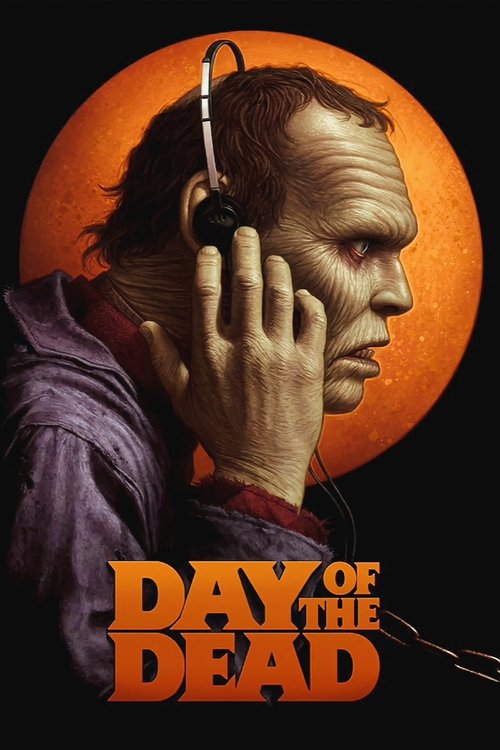
Day of the Dead
As the world is overrun by zombies, scientists and military personnel in an underground Florida bunker must decide on how they should deal with the undead.
Despite its modest budget of $3.8M, Day of the Dead became a commercial juggernaut, earning $34.0M worldwide—a remarkable 807% return. The film's compelling narrative resonated with audiences, illustrating how strong storytelling can transcend budget limitations.


Plot Structure
Story beats plotted across runtime


Narrative Arc
Emotional journey through the story's key moments
Story Circle
Blueprint 15-beat structure
Arcplot Score Breakdown
Weighted: Precision (70%) + Arc (15%) + Theme (15%)
Day of the Dead (1985) exemplifies strategically placed story structure, characteristic of George A. Romero's storytelling approach. This structural analysis examines how the film's 15-point plot structure maps to proven narrative frameworks across 1 hour and 41 minutes. With an Arcplot score of 7.1, the film balances conventional beats with creative variation.
Characters
Cast & narrative archetypes

Sarah Bowman

John
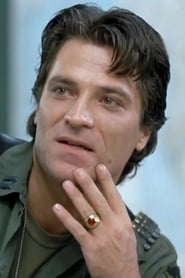
Captain Rhodes

Dr. Logan (Frankenstein)
Bub
Miguel Salazar
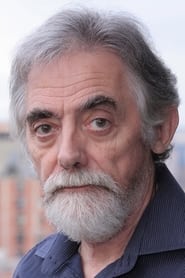
William McDermott
Main Cast & Characters
Sarah Bowman
Played by Lori Cardille
A scientist and protagonist trying to find a cure for the zombie plague while maintaining her humanity in an underground bunker.
John
Played by Terry Alexander
A pragmatic helicopter pilot who advocates for escape and survival over the doomed scientific mission.
Captain Rhodes
Played by Joseph Pilato
The brutal military commander who rules the bunker with increasing paranoia and hostility toward the scientists.
Dr. Logan (Frankenstein)
Played by Richard Liberty
An eccentric scientist conducting disturbing experiments on zombies, attempting to domesticate them.
Bub
Played by Howard Sherman
A zombie test subject showing signs of retained memory and learning capacity under Dr. Logan's training.
Miguel Salazar
Played by Antone DiLeo Jr.
Sarah's partner and radio operator whose deteriorating mental state and zombie bite complicate the group dynamics.
William McDermott
Played by Jarlath Conroy
A helicopter pilot and John's friend who shares his pragmatic survival philosophy.
Structural Analysis
The Status Quo at 1 minutes (1% through the runtime) establishes Sarah and her team search an abandoned, zombie-infested Florida city, finding no survivors and establishing the hopeless state of the world.. Significantly, this early placement immediately immerses viewers in the story world.
The inciting incident occurs at 12 minutes when Major Cooper dies, and the brutal Captain Rhodes takes command, immediately threatening the scientists and demanding results, transforming the bunker from tense to tyrannical.. At 12% through the film, this Disruption aligns precisely with traditional story structure. This beat shifts the emotional landscape, launching the protagonist into the central conflict.
The First Threshold at 26 minutes marks the transition into Act II, occurring at 26% of the runtime. This reveals the protagonist's commitment to Rhodes officially seizes total control, ending the cooperative arrangement. He orders the scientists to produce weapons or be killed, forcing Sarah to commit to surviving in this new hostile reality rather than escaping., moving from reaction to action.
At 52 minutes, the Midpoint arrives at 51% of the runtime—precisely centered, creating perfect narrative symmetry. Notably, this crucial beat Rhodes discovers that Dr. Logan has been feeding his experiments with dead soldiers' bodies, including Major Cooper. This false victory for Logan's research becomes a death sentence as Rhodes vows to execute all the scientists., fundamentally raising what's at risk. The emotional intensity shifts, dividing the narrative into clear before-and-after phases.
The Collapse moment at 76 minutes (76% through) represents the emotional nadir. Here, Dr. Logan is killed by Rhodes, and the soldiers' recklessness causes a catastrophic breach—zombies flood into the bunker. The fragile human civilization collapses entirely as death pours through the compound., reveals the protagonist at their lowest point. This beat's placement in the final quarter sets up the climactic reversal.
The Second Threshold at 81 minutes initiates the final act resolution at 81% of the runtime. Sarah realizes survival means abandoning the mission entirely. She chooses escape and acceptance of the new world order rather than trying to control or understand it—embracing John's philosophy., demonstrating the transformation achieved throughout the journey.
Emotional Journey
Day of the Dead's emotional architecture traces a deliberate progression across 15 carefully calibrated beats.
Narrative Framework
This structural analysis employs structural analysis methodology used to understand storytelling architecture. By mapping Day of the Dead against these established plot points, we can identify how George A. Romero utilizes or subverts traditional narrative conventions. The plot point approach reveals not only adherence to structural principles but also creative choices that distinguish Day of the Dead within the horror genre.
George A. Romero's Structural Approach
Among the 8 George A. Romero films analyzed on Arcplot, the average structural score is 6.7, demonstrating varied approaches to story architecture. Day of the Dead represents one of the director's most structurally precise works. For comparative analysis, explore the complete George A. Romero filmography.
Comparative Analysis
Additional horror films include Thinner, A Nightmare on Elm Street and Mary Reilly. For more George A. Romero analyses, see Dawn of the Dead, Creepshow and Night of the Living Dead.
Plot Points by Act
Act I
SetupStatus Quo
Sarah and her team search an abandoned, zombie-infested Florida city, finding no survivors and establishing the hopeless state of the world.
Theme
Dr. Logan (Frankenstein) suggests that understanding the zombies rather than destroying them might be humanity's salvation, introducing the film's central tension between militaristic control and scientific adaptation.
Worldbuilding
The underground military bunker is revealed with its fragile power structure: scientists studying zombies, hostile soldiers, and dwindling resources. Tensions between Captain Rhodes' military authority and the scientists' research establish the pressure-cooker environment.
Disruption
Major Cooper dies, and the brutal Captain Rhodes takes command, immediately threatening the scientists and demanding results, transforming the bunker from tense to tyrannical.
Resistance
Sarah and her allies (John the helicopter pilot and McDermott) debate whether to stay and continue the research or escape. Rhodes becomes increasingly unstable and violent. Dr. Logan's experiments with the zombie "Bub" show promise, offering a glimmer of hope.
Act II
ConfrontationFirst Threshold
Rhodes officially seizes total control, ending the cooperative arrangement. He orders the scientists to produce weapons or be killed, forcing Sarah to commit to surviving in this new hostile reality rather than escaping.
Mirror World
John the pilot represents an alternative philosophy—acceptance and escape rather than control and domination. His relationship with Sarah offers a vision of survival through adaptation rather than force.
Premise
Dr. Logan's experiments with Bub demonstrate that zombies can be domesticated and retain memory, suggesting humanity could coexist with them. Meanwhile, Rhodes' paranoia and brutality intensify, and the scientists work desperately to prove their value while planning escape.
Midpoint
Rhodes discovers that Dr. Logan has been feeding his experiments with dead soldiers' bodies, including Major Cooper. This false victory for Logan's research becomes a death sentence as Rhodes vows to execute all the scientists.
Opposition
Rhodes becomes homicidal, the soldiers turn fully against the scientists, and the bunker's systems begin failing. Sarah, John, and McDermott are hunted while trying to reach the helicopter. The zombie threat outside is matched by the human threat inside.
Collapse
Dr. Logan is killed by Rhodes, and the soldiers' recklessness causes a catastrophic breach—zombies flood into the bunker. The fragile human civilization collapses entirely as death pours through the compound.
Crisis
Sarah, John, and McDermott flee through zombie-filled corridors as Rhodes and his soldiers are torn apart. Sarah witnesses the complete destruction of the military hierarchy and scientific mission—everything has failed.
Act III
ResolutionSecond Threshold
Sarah realizes survival means abandoning the mission entirely. She chooses escape and acceptance of the new world order rather than trying to control or understand it—embracing John's philosophy.
Synthesis
The survivors fight their way to the helicopter and escape the bunker. Rhodes is devoured by zombies including Bub, who gets poetic revenge. Sarah, John, and McDermott fly away from the nightmare, having survived through adaptation rather than domination.
Transformation
The survivors find peace on a deserted tropical island, living simply and in harmony with their environment. Sarah has transformed from a scientist seeking answers to someone who has accepted the world as it is—survival through letting go.