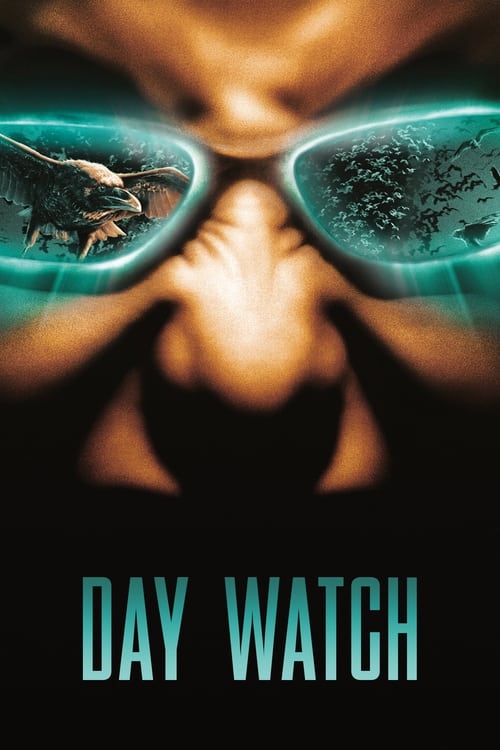
Day Watch
A man who serves in the war between the forces of Light and Dark comes into possession of a device that can restore life to Moscow, which was nearly destroyed by an apocalyptic event.
Despite its limited budget of $4.2M, Day Watch became a box office phenomenon, earning $42.9M worldwide—a remarkable 922% return. The film's innovative storytelling found its audience, demonstrating that strong storytelling can transcend budget limitations.
8 wins & 10 nominations


Plot Structure
Story beats plotted across runtime


Narrative Arc
Emotional journey through the story's key moments
Story Circle
Blueprint 15-beat structure
Arcplot Score Breakdown
Weighted: Precision (70%) + Arc (15%) + Theme (15%)
Day Watch (2006) demonstrates strategically placed story structure, characteristic of Timur Bekmambetov's storytelling approach. This structural analysis examines how the film's 15-point plot structure maps to proven narrative frameworks across 2 hours and 26 minutes. With an Arcplot score of 6.7, the film balances conventional beats with creative variation.
Characters
Cast & narrative archetypes

Anton Gorodetsky
Yegor
Svetlana
Zavulon
Geser
Alisa Donnikova
Olga
Kostya Saushkin
Main Cast & Characters
Anton Gorodetsky
Played by Konstantin Khabenskiy
Night Watch agent struggling with his son's destiny as the prophesied Great Other who will tip the balance between Light and Dark
Yegor
Played by Dima Martynov
Anton's teenage son, a powerful Dark Other destined to become the Great Other and choose the fate of Others
Svetlana
Played by Mariya Poroshina
Powerful Light sorceress and Anton's love interest, instrumental in the prophecy involving the Chalk of Fate
Zavulon
Played by Viktor Verzhbitskiy
Ancient and cunning leader of the Day Watch (Dark Others), manipulating events to claim Yegor for darkness
Geser
Played by Vladimir Menshov
Ancient leader of the Night Watch (Light Others), Anton's mentor who orchestrates complex schemes to preserve the balance
Alisa Donnikova
Played by Zhanna Friske
Seductive Dark sorceress and Zavulon's lieutenant who pursues Anton and manipulates events for the Dark
Olga
Played by Galina Tyunina
Experienced Night Watch agent and former owl, serves as Anton's partner and voice of wisdom
Kostya Saushkin
Played by Aleksey Chadov
Young vampire and Anton's friend from the first film, now caught between Light and Dark loyalties
Structural Analysis
The Status Quo at 1 minutes (1% through the runtime) establishes Historical prologue showing Tamerlane's army and the legend of the Chalk of Fate, establishing the mythological foundation of the story and the power to rewrite destiny.. Significantly, this early placement immediately immerses viewers in the story world.
The inciting incident occurs at 18 minutes when A Dark Other is murdered and Anton is framed for the killing. The evidence points to him, threatening to break the truce between Night Watch and Day Watch and spark all-out war.. At 12% through the film, this Disruption aligns precisely with traditional story structure. This beat shifts the emotional landscape, launching the protagonist into the central conflict.
The First Threshold at 37 minutes marks the transition into Act II, occurring at 25% of the runtime. This demonstrates the protagonist's commitment to Anton undergoes a body swap with Olga, taking her female form to evade capture by Day Watch. He commits to clearing his name while disguised, crossing into a world of deception and danger., moving from reaction to action.
At 73 minutes, the Midpoint arrives at 50% of the runtime—precisely centered, creating perfect narrative symmetry. Of particular interest, this crucial beat Anton discovers that Zavulon has been manipulating events to start a war, and that his son Yegor is being groomed as the Great Dark Other. The personal stakes merge with apocalyptic consequences—false defeat., fundamentally raising what's at risk. The emotional intensity shifts, dividing the narrative into clear before-and-after phases.
The Collapse moment at 110 minutes (75% through) represents the emotional nadir. Here, Yegor, fully embracing the Dark Side, triggers catastrophic events in Moscow. Anton realizes that his original choice to curse his unborn son years ago created this nightmare—his son is lost and the world faces destruction., reveals the protagonist at their lowest point. This beat's placement in the final quarter sets up the climactic reversal.
The Second Threshold at 117 minutes initiates the final act resolution at 80% of the runtime. Anton learns about the Chalk of Fate—the legendary artifact that can rewrite destiny itself. He realizes he can go back and undo his original choice, preventing all the tragedy from ever happening., demonstrating the transformation achieved throughout the journey.
Emotional Journey
Day Watch's emotional architecture traces a deliberate progression across 15 carefully calibrated beats.
Narrative Framework
This structural analysis employs proven narrative structure principles that track dramatic progression. By mapping Day Watch against these established plot points, we can identify how Timur Bekmambetov utilizes or subverts traditional narrative conventions. The plot point approach reveals not only adherence to structural principles but also creative choices that distinguish Day Watch within the fantasy genre.
Timur Bekmambetov's Structural Approach
Among the 5 Timur Bekmambetov films analyzed on Arcplot, the average structural score is 7.0, demonstrating varied approaches to story architecture. Day Watch takes a more unconventional approach compared to the director's typical style. For comparative analysis, explore the complete Timur Bekmambetov filmography.
Comparative Analysis
Additional fantasy films include Thinner, Ella Enchanted and Conan the Barbarian. For more Timur Bekmambetov analyses, see Wanted, Abraham Lincoln: Vampire Hunter and Night Watch.
Plot Points by Act
Act I
SetupStatus Quo
Historical prologue showing Tamerlane's army and the legend of the Chalk of Fate, establishing the mythological foundation of the story and the power to rewrite destiny.
Theme
Geser explains to Anton that every choice has consequences that ripple through time—the theme that our past decisions shape our present reality and cannot easily be undone.
Worldbuilding
The world of Light and Dark Others is established. Anton works for the Night Watch while his son Yegor has joined the Dark Side. The fragile truce between factions is shown through Moscow's supernatural underworld.
Disruption
A Dark Other is murdered and Anton is framed for the killing. The evidence points to him, threatening to break the truce between Night Watch and Day Watch and spark all-out war.
Resistance
Anton goes into hiding while Geser and the Night Watch try to prove his innocence. Svetlana, now a powerful Light Other, debates whether to help Anton despite the risks to herself and the organization.
Act II
ConfrontationFirst Threshold
Anton undergoes a body swap with Olga, taking her female form to evade capture by Day Watch. He commits to clearing his name while disguised, crossing into a world of deception and danger.
Mirror World
Svetlana's relationship with Anton deepens as she helps him despite the danger. Their love represents the possibility of Light and hope amidst the supernatural conflict and Anton's personal darkness.
Premise
Anton navigates Moscow in Olga's body, investigating the true killer while evading Day Watch agents. Supernatural action sequences showcase the powers of both factions as Anton uncovers a deeper conspiracy.
Midpoint
Anton discovers that Zavulon has been manipulating events to start a war, and that his son Yegor is being groomed as the Great Dark Other. The personal stakes merge with apocalyptic consequences—false defeat.
Opposition
Zavulon's plans accelerate as Day Watch closes in on Anton. Yegor embraces his dark powers while Svetlana is pressured to become the Great Light Other, setting up an apocalyptic confrontation between father and son.
Collapse
Yegor, fully embracing the Dark Side, triggers catastrophic events in Moscow. Anton realizes that his original choice to curse his unborn son years ago created this nightmare—his son is lost and the world faces destruction.
Crisis
Moscow descends into chaos as the balance between Light and Dark collapses. Anton faces the consequences of his past choices, seemingly powerless to stop the apocalypse he inadvertently set in motion.
Act III
ResolutionSecond Threshold
Anton learns about the Chalk of Fate—the legendary artifact that can rewrite destiny itself. He realizes he can go back and undo his original choice, preventing all the tragedy from ever happening.
Synthesis
Anton uses the Chalk of Fate to rewrite history, erasing his original curse on his unborn son. Reality restructures itself as years of conflict and tragedy are undone, giving everyone a second chance.
Transformation
In the rewritten timeline, Anton and Svetlana meet as ordinary people, free from the supernatural war. The Chalk of Fate crumbles—destiny has been rewritten, and Anton has a chance at the life he destroyed.