
Dead Bang
A cop is gunned down on Xmas eve. Jerry Beck, the homicide cop given the job of hunting the killer, investigates some leads which bring him into contact with a group of white supremacy extremists. In addition to the racists, Beck also has to contend with an unhelpful FBI agent.
The film earned $8.1M at the global box office.


Plot Structure
Story beats plotted across runtime


Narrative Arc
Emotional journey through the story's key moments
Story Circle
Blueprint 15-beat structure
Arcplot Score Breakdown
Weighted: Precision (70%) + Arc (15%) + Theme (15%)
Dead Bang (1989) exhibits carefully calibrated story structure, characteristic of John Frankenheimer's storytelling approach. This structural analysis examines how the film's 15-point plot structure maps to proven narrative frameworks across 1 hour and 45 minutes. With an Arcplot score of 7.0, the film balances conventional beats with creative variation.
Characters
Cast & narrative archetypes

Jerry Beck

Elliott Webley

Linda Kimble
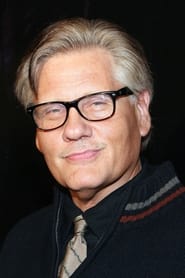
Arthur Kressler
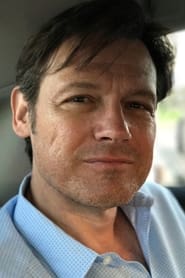
Bobby Burns
Main Cast & Characters
Jerry Beck
Played by Don Johnson
A burnt-out LAPD homicide detective investigating a cop killer while dealing with personal demons and a messy divorce.
Elliott Webley
Played by Bob Balaban
An FBI agent who assists Beck in tracking white supremacists across state lines.
Linda Kimble
Played by Penelope Ann Miller
A sympathetic woman who becomes involved with Beck during his investigation in Oklahoma.
Arthur Kressler
Played by William Forsythe
The white supremacist leader and primary antagonist Beck pursues.
Bobby Burns
Played by Frank Military
The cop killer Beck initially pursues, connected to the white supremacist movement.
Structural Analysis
The Status Quo at 1 minutes (1% through the runtime) establishes Christmas Eve in Los Angeles. Detective Jerry Beck is shown as a troubled man - hungover, estranged from his family, and barely holding his life together as he prepares to work the holiday shift.. Structural examination shows that this early placement immediately immerses viewers in the story world.
The inciting incident occurs at 13 minutes when A uniformed police officer is shot and killed during a routine traffic stop on Christmas Eve. Beck arrives at the scene and takes the case personally, driven by the murder of a fellow officer.. At 12% through the film, this Disruption aligns precisely with traditional story structure. This beat shifts the emotional landscape, launching the protagonist into the central conflict.
The First Threshold at 27 minutes marks the transition into Act II, occurring at 26% of the runtime. This demonstrates the protagonist's commitment to Beck discovers the murder is connected to a white supremacist organization when evidence links the shooter to neo-Nazi groups. He makes the choice to pursue this lead despite warnings that it will take him far beyond his jurisdiction., moving from reaction to action.
At 53 minutes, the Midpoint arrives at 51% of the runtime—precisely centered, creating perfect narrative symmetry. Notably, this crucial beat Beck uncovers that the white supremacist group is not just a local gang but a national network planning armed insurrection. The stakes escalate from solving one cop's murder to stopping a domestic terrorist organization - a false defeat as the scope overwhelms him., fundamentally raising what's at risk. The emotional intensity shifts, dividing the narrative into clear before-and-after phases.
The Collapse moment at 79 minutes (75% through) represents the emotional nadir. Here, A key witness is murdered by the supremacists, and Beck is removed from the case by his superiors for his reckless behavior and jurisdictional violations. He's lost his badge, his leads, and his only remaining purpose - the whiff of professional and personal death., reveals the protagonist at their lowest point. This beat's placement in the final quarter sets up the climactic reversal.
The Second Threshold at 84 minutes initiates the final act resolution at 80% of the runtime. Kressler provides Beck with intelligence about the supremacist compound in Oklahoma and tacit federal support. Beck chooses to see the case through to the end, badge or no badge, synthesizing his obsessive nature with a righteous cause., demonstrating the transformation achieved throughout the journey.
Emotional Journey
Dead Bang's emotional architecture traces a deliberate progression across 15 carefully calibrated beats.
Narrative Framework
This structural analysis employs proven narrative structure principles that track dramatic progression. By mapping Dead Bang against these established plot points, we can identify how John Frankenheimer utilizes or subverts traditional narrative conventions. The plot point approach reveals not only adherence to structural principles but also creative choices that distinguish Dead Bang within the action genre.
John Frankenheimer's Structural Approach
Among the 11 John Frankenheimer films analyzed on Arcplot, the average structural score is 7.2, reflecting strong command of classical structure. Dead Bang takes a more unconventional approach compared to the director's typical style. For comparative analysis, explore the complete John Frankenheimer filmography.
Comparative Analysis
Additional action films include The Bad Guys, Puss in Boots and Venom: The Last Dance. For more John Frankenheimer analyses, see Prophecy, The Train and The Island of Dr. Moreau.
Plot Points by Act
Act I
SetupStatus Quo
Christmas Eve in Los Angeles. Detective Jerry Beck is shown as a troubled man - hungover, estranged from his family, and barely holding his life together as he prepares to work the holiday shift.
Theme
A fellow officer remarks that Beck is "married to the job" - foreshadowing the central question of whether Beck's obsessive dedication to justice can coexist with having a meaningful personal life.
Worldbuilding
Beck's dysfunctional life is established: his divorce proceedings, custody battle for his kids, drinking problem, and his reputation as a dogged but troubled detective. The LAPD homicide division and Beck's partnership dynamics are introduced.
Disruption
A uniformed police officer is shot and killed during a routine traffic stop on Christmas Eve. Beck arrives at the scene and takes the case personally, driven by the murder of a fellow officer.
Resistance
Beck investigates the cop killing, chasing leads through LA's criminal underworld. He pursues a suspect through a chase that ends with Beck vomiting on the perp. Initial evidence points toward a larger conspiracy beyond a simple robbery gone wrong.
Act II
ConfrontationFirst Threshold
Beck discovers the murder is connected to a white supremacist organization when evidence links the shooter to neo-Nazi groups. He makes the choice to pursue this lead despite warnings that it will take him far beyond his jurisdiction.
Mirror World
FBI Agent Arthur Kressler enters the investigation, representing federal interest in the white supremacist connection. Kressler becomes Beck's unlikely partner, offering institutional support where Beck operates on pure instinct and obsession.
Premise
Beck dives deep into the white supremacist underground, tracking connections across state lines. He infiltrates meetings, follows money trails, and pieces together the scope of the organization while his personal life continues to deteriorate.
Midpoint
Beck uncovers that the white supremacist group is not just a local gang but a national network planning armed insurrection. The stakes escalate from solving one cop's murder to stopping a domestic terrorist organization - a false defeat as the scope overwhelms him.
Opposition
The supremacist organization becomes aware of Beck's investigation and strikes back. Beck faces bureaucratic obstacles, jurisdictional conflicts, and direct threats. His methods become increasingly aggressive and questionable as the pressure mounts.
Collapse
A key witness is murdered by the supremacists, and Beck is removed from the case by his superiors for his reckless behavior and jurisdictional violations. He's lost his badge, his leads, and his only remaining purpose - the whiff of professional and personal death.
Crisis
Beck hits rock bottom, confronting his failures as a husband, father, and now as a detective. Without his badge, he must decide whether to walk away or continue the fight as a private citizen with everything to lose.
Act III
ResolutionSecond Threshold
Kressler provides Beck with intelligence about the supremacist compound in Oklahoma and tacit federal support. Beck chooses to see the case through to the end, badge or no badge, synthesizing his obsessive nature with a righteous cause.
Synthesis
Beck travels to Oklahoma and infiltrates the supremacist compound during their armed gathering. In a violent confrontation, he takes down the organization's leadership and brings the cop-killer to justice, putting himself in extreme danger.
Transformation
Beck survives the assault and the case is closed. Though still a flawed man, he has proven that his obsessive dedication has value - he's found redemption through completing the mission, suggesting he might finally make peace with who he is.