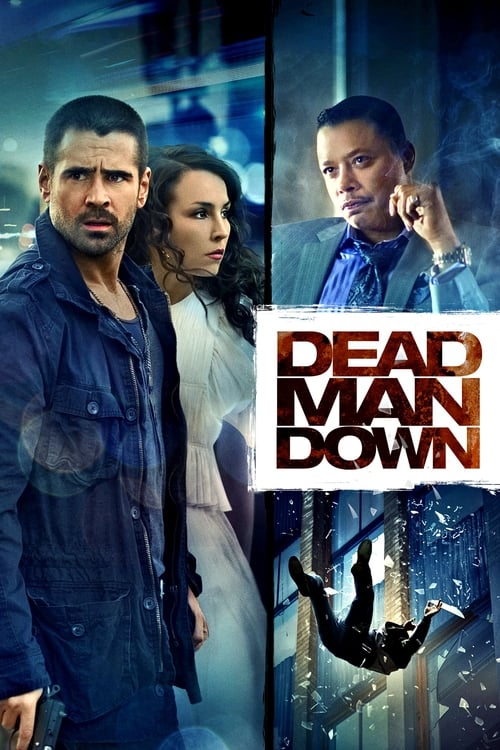
Dead Man Down
In New York City, a crime lord's right-hand man is seduced by a woman seeking retribution.
The film underperformed commercially against its mid-range budget of $30.0M, earning $19.6M globally (-35% loss). While initial box office returns were modest, the film has gained appreciation for its unconventional structure within the thriller genre.


Plot Structure
Story beats plotted across runtime


Narrative Arc
Emotional journey through the story's key moments
Story Circle
Blueprint 15-beat structure
Arcplot Score Breakdown
Weighted: Precision (70%) + Arc (15%) + Theme (15%)
Dead Man Down (2013) reveals carefully calibrated dramatic framework, characteristic of Niels Arden Oplev's storytelling approach. This structural analysis examines how the film's 15-point plot structure maps to proven narrative frameworks across 1 hour and 58 minutes. With an Arcplot score of 6.7, the film balances conventional beats with creative variation.
Characters
Cast & narrative archetypes

Victor
Beatrice
Alphonse Hoyt
Darcy
Paul
Valentina
Main Cast & Characters
Victor
Played by Colin Farrell
An undercover hitman seeking revenge against the crime boss who killed his family while maintaining his cover identity.
Beatrice
Played by Noomi Rapace
A facially scarred woman seeking revenge against the drunk driver who destroyed her life and appearance.
Alphonse Hoyt
Played by Terrence Howard
A powerful crime boss who murdered Victor's family and is now being systematically tormented by an unknown enemy.
Darcy
Played by Dominic Cooper
Victor's close friend and fellow enforcer in Alphonse's organization, loyal but increasingly caught between sides.
Paul
Played by David Patrick Kelly
An engineer and drunk driver responsible for Beatrice's disfigurement, unaware he is being targeted for revenge.
Valentina
Played by Isabelle Huppert
Beatrice's mother who lives with her daughter and provides emotional support while worrying about her isolation.
Structural Analysis
The Status Quo at 1 minutes (1% through the runtime) establishes Victor operates as enforcer in Alphonse's crime organization, maintaining a controlled facade while secretly orchestrating an elaborate revenge plot. He lives a double life of professional killer and hidden avenger.. Significantly, this early placement immediately immerses viewers in the story world.
The inciting incident occurs at 14 minutes when Beatrice reveals she filmed Victor committing murder and blackmails him into killing the drunk driver who disfigured her face and killed her mother. Victor's controlled revenge plan is now compromised by an outside witness.. At 12% through the film, this Disruption aligns precisely with traditional story structure. This beat shifts the emotional landscape, launching the protagonist into the central conflict.
The First Threshold at 30 minutes marks the transition into Act II, occurring at 25% of the runtime. This reveals the protagonist's commitment to Victor agrees to help Beatrice kill her target. This active choice entangles him with another person, breaking his isolated revenge plan and entering into a partnership that will expose his vulnerability., moving from reaction to action.
At 60 minutes, the Midpoint arrives at 50% of the runtime—precisely centered, creating perfect narrative symmetry. Of particular interest, this crucial beat Alphonse discovers Victor is the one tormenting him. The false victory of Victor's secret revenge crumbles—his cover is blown, his plan exposed, and his life in immediate danger. Stakes escalate dramatically., fundamentally raising what's at risk. The emotional intensity shifts, dividing the narrative into clear before-and-after phases.
The Collapse moment at 89 minutes (75% through) represents the emotional nadir. Here, Alphonse's men kidnap Beatrice and her deaf daughter, using them as leverage against Victor. The one good thing Victor found—love and human connection—is ripped away. He faces losing everything that gave his life meaning beyond revenge., illustrates the protagonist at their lowest point. This beat's placement in the final quarter sets up the climactic reversal.
The Second Threshold at 95 minutes initiates the final act resolution at 80% of the runtime. Victor realizes he can have both justice and love—he doesn't have to choose. He synthesizes his skills as an avenger with his newfound capacity for connection. He recruits allies and formulates a plan to rescue Beatrice while completing his revenge., demonstrating the transformation achieved throughout the journey.
Emotional Journey
Dead Man Down's emotional architecture traces a deliberate progression across 15 carefully calibrated beats.
Narrative Framework
This structural analysis employs a 15-point narrative structure framework that maps key story moments. By mapping Dead Man Down against these established plot points, we can identify how Niels Arden Oplev utilizes or subverts traditional narrative conventions. The plot point approach reveals not only adherence to structural principles but also creative choices that distinguish Dead Man Down within the thriller genre.
Niels Arden Oplev's Structural Approach
Among the 2 Niels Arden Oplev films analyzed on Arcplot, the average structural score is 6.8, demonstrating varied approaches to story architecture. Dead Man Down takes a more unconventional approach compared to the director's typical style. For comparative analysis, explore the complete Niels Arden Oplev filmography.
Comparative Analysis
Additional thriller films include The Warriors, Thunderball and Rustom. For more Niels Arden Oplev analyses, see Flatliners.
Plot Points by Act
Act I
SetupStatus Quo
Victor operates as enforcer in Alphonse's crime organization, maintaining a controlled facade while secretly orchestrating an elaborate revenge plot. He lives a double life of professional killer and hidden avenger.
Theme
Beatrice observes to Victor that "people see what they want to see," establishing the film's theme about masks, deception, and the hidden truth beneath surface appearances.
Worldbuilding
Introduction to Victor's world: his position in Alphonse's criminal empire, the mysterious packages tormenting his boss, Victor's meticulous double life, and his first encounter with scarred neighbor Beatrice across the building courtyard.
Disruption
Beatrice reveals she filmed Victor committing murder and blackmails him into killing the drunk driver who disfigured her face and killed her mother. Victor's controlled revenge plan is now compromised by an outside witness.
Resistance
Victor resists Beatrice's blackmail while she persists. He investigates her target while she demonstrates her surveillance of him. Both begin tentative interaction, revealing their shared isolation and pain. Alphonse grows paranoid about the mysterious tormentor.
Act II
ConfrontationFirst Threshold
Victor agrees to help Beatrice kill her target. This active choice entangles him with another person, breaking his isolated revenge plan and entering into a partnership that will expose his vulnerability.
Mirror World
Victor and Beatrice share an intimate dinner where masks begin to drop. She represents the possibility of human connection and redemption—the mirror to his path of isolated vengeance. Their growing bond offers an alternative to pure revenge.
Premise
Victor and Beatrice's relationship deepens as they plan her revenge while Victor continues his own vendetta against Alphonse. The dual revenge plots intertwine. Victor begins to feel human connection again, conflicting with his single-minded mission.
Midpoint
Alphonse discovers Victor is the one tormenting him. The false victory of Victor's secret revenge crumbles—his cover is blown, his plan exposed, and his life in immediate danger. Stakes escalate dramatically.
Opposition
Victor becomes hunted by Alphonse's organization. His friend Darcy is revealed as loyal to Alphonse. Beatrice is drawn deeper into danger. Victor must protect her while his revenge plan collapses. The walls close in from all sides.
Collapse
Alphonse's men kidnap Beatrice and her deaf daughter, using them as leverage against Victor. The one good thing Victor found—love and human connection—is ripped away. He faces losing everything that gave his life meaning beyond revenge.
Crisis
Victor confronts the darkest moment: continue his revenge and lose Beatrice, or surrender everything. He processes that his obsession with vengeance has endangered an innocent woman and child. The cost of revenge becomes unbearably clear.
Act III
ResolutionSecond Threshold
Victor realizes he can have both justice and love—he doesn't have to choose. He synthesizes his skills as an avenger with his newfound capacity for connection. He recruits allies and formulates a plan to rescue Beatrice while completing his revenge.
Synthesis
Victor executes the final assault on Alphonse's stronghold. He fights through the organization, rescues Beatrice and her daughter, and confronts Alphonse. Victor completes his revenge by revealing he destroyed Alphonse's life as Alphonse destroyed his family.
Transformation
Victor and Beatrice escape together to start new lives. Unlike the opening's isolated, dead-inside enforcer, Victor has reclaimed his humanity through love. Beatrice too is freed from her vengeful obsession. Both are transformed through connection.