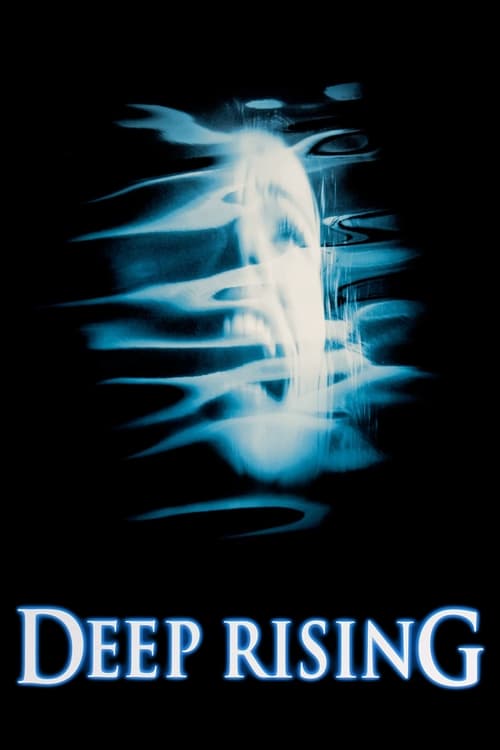
Deep Rising
A group of heavily armed hijackers board a luxury ocean liner in the South Pacific Ocean to loot it, only to do battle with a series of large-sized, tentacled, man-eating sea creatures who have taken over the ship first.
The film financial setback against its respectable budget of $45.0M, earning $11.2M globally (-75% loss). While initial box office returns were modest, the film has gained appreciation for its fresh perspective within the adventure genre.


Plot Structure
Story beats plotted across runtime


Narrative Arc
Emotional journey through the story's key moments
Story Circle
Blueprint 15-beat structure
Arcplot Score Breakdown
Weighted: Precision (70%) + Arc (15%) + Theme (15%)
Deep Rising (1998) demonstrates precise plot construction, characteristic of Stephen Sommers's storytelling approach. This structural analysis examines how the film's 15-point plot structure maps to proven narrative frameworks across 1 hour and 46 minutes. With an Arcplot score of 6.8, the film balances conventional beats with creative variation.
Characters
Cast & narrative archetypes

John Finnegan
Trillian St. James
Hanover
Joey Pantucci
Simon Canton
Vivo
Main Cast & Characters
John Finnegan
Played by Treat Williams
A cynical boat captain hired to transport mysterious cargo, who finds himself fighting for survival against deep-sea monsters.
Trillian St. James
Played by Famke Janssen
A skilled thief and con artist posing as a passenger on the luxury liner, who becomes Finnegan's partner in survival.
Hanover
Played by Wes Studi
A ruthless mercenary leader hired to rob the cruise ship, focused on the mission despite mounting casualties.
Joey Pantucci
Played by Kevin J. O'Connor
Finnegan's loyal mechanic and comic relief sidekick who provides technical expertise and nervous commentary.
Simon Canton
Played by Anthony Heald
The cruise ship's treacherous owner who orchestrated an insurance fraud scheme that backfired catastrophically.
Vivo
Played by Djimon Hounsou
One of Hanover's mercenaries, a violent and unpredictable enforcer who enjoys intimidation.
Structural Analysis
The Status Quo at 1 minutes (1% through the runtime) establishes The vast South China Sea at night. Something massive and ancient stirs in the deep ocean trenches, establishing a world where unknown terrors lurk beneath the surface.. Structural examination shows that this early placement immediately immerses viewers in the story world.
The inciting incident occurs at 13 minutes when The Argonautica's systems mysteriously fail, leaving the ship dead in the water. Something massive strikes the hull from below, beginning the creature's devastating attack on the passengers.. At 12% through the film, this Disruption aligns precisely with traditional story structure. This beat shifts the emotional landscape, launching the protagonist into the central conflict.
The First Threshold at 27 minutes marks the transition into Act II, occurring at 25% of the runtime. This shows the protagonist's commitment to Finnegan and the mercenaries board the Argonautica to find a ghost ship. Blood covers the walls, belongings are scattered, but nearly 3,000 passengers have vanished without a trace. Finnegan chooses to investigate rather than flee., moving from reaction to action.
At 53 minutes, the Midpoint arrives at 50% of the runtime—precisely centered, creating perfect narrative symmetry. Structural examination shows that this crucial beat Canton, the ship's owner, is revealed to have planned to sink the Argonautica for insurance—but the creatures beat him to it. The full scope of the monster is revealed: it's not multiple creatures but one massive organism with countless tentacles. False defeat as escape seems impossible., fundamentally raising what's at risk. The emotional intensity shifts, dividing the narrative into clear before-and-after phases.
The Collapse moment at 80 minutes (75% through) represents the emotional nadir. Here, They reach the bow to discover Finnegan's boat is destroyed—their only means of escape is gone. Hanover is consumed by the creature in a horrifying death scene. The situation appears hopeless as they're trapped aboard a sinking ship with the monster., reveals the protagonist at their lowest point. This beat's placement in the final quarter sets up the climactic reversal.
The Second Threshold at 85 minutes initiates the final act resolution at 80% of the runtime. Finnegan remembers Canton's jet skis stored in the ship's lower decks. He commits to getting everyone out alive, transforming from hired gun to genuine hero. The plan: reach the jet skis and use the ship's torpedoes to destroy the creature., demonstrating the transformation achieved throughout the journey.
Emotional Journey
Deep Rising's emotional architecture traces a deliberate progression across 15 carefully calibrated beats.
Narrative Framework
This structural analysis employs structural analysis methodology used to understand storytelling architecture. By mapping Deep Rising against these established plot points, we can identify how Stephen Sommers utilizes or subverts traditional narrative conventions. The plot point approach reveals not only adherence to structural principles but also creative choices that distinguish Deep Rising within the adventure genre.
Stephen Sommers's Structural Approach
Among the 7 Stephen Sommers films analyzed on Arcplot, the average structural score is 7.0, demonstrating varied approaches to story architecture. Deep Rising takes a more unconventional approach compared to the director's typical style. For comparative analysis, explore the complete Stephen Sommers filmography.
Comparative Analysis
Additional adventure films include The Black Stallion, The Bad Guys and Puss in Boots. For more Stephen Sommers analyses, see The Mummy, Van Helsing and The Jungle Book.
Plot Points by Act
Act I
SetupStatus Quo
The vast South China Sea at night. Something massive and ancient stirs in the deep ocean trenches, establishing a world where unknown terrors lurk beneath the surface.
Theme
Finnegan states his mercenary philosophy: "If the cash is there, we do not care." Joey questions his boss's moral flexibility, hinting at the story's central question of what's worth fighting for beyond money.
Worldbuilding
We meet Finnegan and his crew aboard their boat, transporting mysterious cargo for Hanover's mercenaries. Parallel scenes introduce the Argonautica luxury cruise liner and its 3,000 passengers, including jewel thief Trillian caught stealing and locked in the ship's pantry.
Disruption
The Argonautica's systems mysteriously fail, leaving the ship dead in the water. Something massive strikes the hull from below, beginning the creature's devastating attack on the passengers.
Resistance
Finnegan's boat collides with a speedboat in the storm, revealing the mercenaries' true mission: to rob the Argonautica. As they approach the seemingly disabled cruise ship, Finnegan realizes he's been duped into aiding pirates, but it's too late to turn back.
Act II
ConfrontationFirst Threshold
Finnegan and the mercenaries board the Argonautica to find a ghost ship. Blood covers the walls, belongings are scattered, but nearly 3,000 passengers have vanished without a trace. Finnegan chooses to investigate rather than flee.
Mirror World
Finnegan discovers Trillian locked in the pantry—the only survivor they've found. Like Finnegan, she's a self-serving opportunist, but their connection hints at the possibility of becoming something more than just survivors looking out for themselves.
Premise
The survivors explore the blood-soaked ship, encountering half-digested passengers and the terrifying tentacled creatures hunting them. The group splinters as mercenaries die one by one, pulled through vents and corridors by the relentless Ottoia creatures.
Midpoint
Canton, the ship's owner, is revealed to have planned to sink the Argonautica for insurance—but the creatures beat him to it. The full scope of the monster is revealed: it's not multiple creatures but one massive organism with countless tentacles. False defeat as escape seems impossible.
Opposition
The dwindling survivors fight through the ship toward the bow, where Finnegan's boat is docked. The creature systematically hunts them, picking off mercenaries and crew. Canton's treachery creates internal conflict as trust breaks down among the survivors.
Collapse
They reach the bow to discover Finnegan's boat is destroyed—their only means of escape is gone. Hanover is consumed by the creature in a horrifying death scene. The situation appears hopeless as they're trapped aboard a sinking ship with the monster.
Crisis
With the boat destroyed and the ship sinking, the survivors face certain death. Finnegan must decide whether to look out only for himself or to protect Trillian and Joey—finally confronting the emptiness of his "cash is there, we do not care" philosophy.
Act III
ResolutionSecond Threshold
Finnegan remembers Canton's jet skis stored in the ship's lower decks. He commits to getting everyone out alive, transforming from hired gun to genuine hero. The plan: reach the jet skis and use the ship's torpedoes to destroy the creature.
Synthesis
Finnegan, Trillian, and Joey race through the flooding ship to the jet ski bay. Canton's betrayal leads to his death by the creature. Finnegan fires a torpedo into the creature's maw, detonating it as the Argonautica explodes and sinks.
Transformation
Finnegan, Trillian, and Joey escape on jet skis, reaching a seemingly deserted island. As they celebrate survival, massive footsteps shake the jungle—another threat emerges. Finnegan's "Now what?" shows he's become someone who faces danger rather than runs from it.