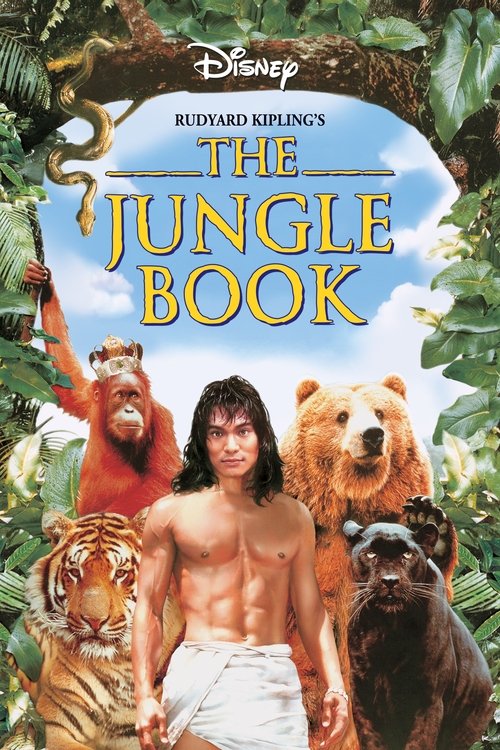
The Jungle Book
Raised by wild animals since childhood, Mowgli is drawn away from the jungle by the beautiful Kitty. But Mowgli must eventually face corrupt Capt. Boone, who wants both Kitty's hand and the treasures of Monkey City – a place only Mowgli can find.
Working with a mid-range budget of $27.0M, the film achieved a modest success with $53.5M in global revenue (+98% profit margin).


Plot Structure
Story beats plotted across runtime


Narrative Arc
Emotional journey through the story's key moments
Story Circle
Blueprint 15-beat structure
Arcplot Score Breakdown
Weighted: Precision (70%) + Arc (15%) + Theme (15%)
The Jungle Book (1994) reveals precise dramatic framework, characteristic of Stephen Sommers's storytelling approach. This structural analysis examines how the film's 15-point plot structure maps to proven narrative frameworks across 1 hour and 51 minutes. With an Arcplot score of 7.3, the film balances conventional beats with creative variation.
Structural Analysis
The Status Quo at 1 minutes (1% through the runtime) establishes Young Mowgli lives happily in the jungle with his animal family, particularly Baloo the bear and Bagheera the panther, learning the ways of the wild.. Structural examination shows that this early placement immediately immerses viewers in the story world.
The inciting incident occurs at 12 minutes when Mowgli is separated from Kitty and the British settlement after his father's death. He is believed dead and disappears into the jungle, losing his connection to human civilization.. At 11% through the film, this Disruption aligns precisely with traditional story structure. This beat shifts the emotional landscape, launching the protagonist into the central conflict.
The First Threshold at 27 minutes marks the transition into Act II, occurring at 24% of the runtime. This shows the protagonist's commitment to Mowgli makes the active choice to leave the jungle and enter the British settlement to be with Kitty and learn the ways of men., moving from reaction to action.
At 56 minutes, the Midpoint arrives at 50% of the runtime—precisely centered, creating perfect narrative symmetry. Structural examination shows that this crucial beat Captain Boone, Kitty's jealous suitor, discovers Mowgli knows the location of ancient treasure in the jungle ruins. False victory of Mowgli's acceptance turns dark as Boone's greed raises the stakes., fundamentally raising what's at risk. The emotional intensity shifts, dividing the narrative into clear before-and-after phases.
The Collapse moment at 82 minutes (74% through) represents the emotional nadir. Here, Boone's men are killed in the jungle (literal death). Mowgli is betrayed and left for dead. His attempt to bridge both worlds has failed catastrophically, and he loses hope., indicates the protagonist at their lowest point. This beat's placement in the final quarter sets up the climactic reversal.
The Second Threshold at 88 minutes initiates the final act resolution at 80% of the runtime. Mowgli realizes he can be both - he doesn't have to choose. He synthesizes his jungle skills with his human heart, calling upon his animal friends while fighting for Kitty and justice., demonstrating the transformation achieved throughout the journey.
Emotional Journey
The Jungle Book's emotional architecture traces a deliberate progression across 15 carefully calibrated beats.
Narrative Framework
This structural analysis employs structural analysis methodology used to understand storytelling architecture. By mapping The Jungle Book against these established plot points, we can identify how Stephen Sommers utilizes or subverts traditional narrative conventions. The plot point approach reveals not only adherence to structural principles but also creative choices that distinguish The Jungle Book within the family genre.
Stephen Sommers's Structural Approach
Among the 7 Stephen Sommers films analyzed on Arcplot, the average structural score is 7.0, demonstrating varied approaches to story architecture. The Jungle Book represents one of the director's most structurally precise works. For comparative analysis, explore the complete Stephen Sommers filmography.
Comparative Analysis
Additional family films include The Black Stallion, The Bad Guys and Ella Enchanted. For more Stephen Sommers analyses, see The Mummy, Van Helsing and The Adventures of Huck Finn.
Plot Points by Act
Act I
SetupStatus Quo
Young Mowgli lives happily in the jungle with his animal family, particularly Baloo the bear and Bagheera the panther, learning the ways of the wild.
Theme
Mowgli's father figure tells him about belonging to two worlds - he must find where he truly fits, foreshadowing his journey between civilization and jungle.
Worldbuilding
Establishing young Mowgli's jungle life, his friendship with Kitty (daughter of British officers), the threat of Shere Khan the tiger, and the British military presence in India. Mowgli's father is killed, and he becomes lost in the jungle.
Disruption
Mowgli is separated from Kitty and the British settlement after his father's death. He is believed dead and disappears into the jungle, losing his connection to human civilization.
Resistance
Time passes. Adult Mowgli lives fully as a jungle man. He encounters soldiers and reunites with Kitty, now grown. He debates whether to return to civilization or remain wild.
Act II
ConfrontationFirst Threshold
Mowgli makes the active choice to leave the jungle and enter the British settlement to be with Kitty and learn the ways of men.
Mirror World
Mowgli's relationship with Kitty deepens. She represents the civilized world and teaches him language, manners, and human customs - the thematic counterpoint to his wild nature.
Premise
Fish-out-of-water sequences as Mowgli learns to navigate British society. He struggles with clothing, etiquette, and social norms while developing romance with Kitty. Comic and touching moments of cultural clash.
Midpoint
Captain Boone, Kitty's jealous suitor, discovers Mowgli knows the location of ancient treasure in the jungle ruins. False victory of Mowgli's acceptance turns dark as Boone's greed raises the stakes.
Opposition
Boone manipulates and threatens Mowgli, eventually forcing him to guide an expedition to the treasure. Kitty is kidnapped. Mowgli must choose between his two worlds as danger escalates.
Collapse
Boone's men are killed in the jungle (literal death). Mowgli is betrayed and left for dead. His attempt to bridge both worlds has failed catastrophically, and he loses hope.
Crisis
Mowgli faces his dark night, wounded and alone. He must process the betrayal and decide who he truly is - civilized man or jungle creature.
Act III
ResolutionSecond Threshold
Mowgli realizes he can be both - he doesn't have to choose. He synthesizes his jungle skills with his human heart, calling upon his animal friends while fighting for Kitty and justice.
Synthesis
Final confrontation with Boone at the ancient ruins. Mowgli uses both jungle cunning and human courage to defeat the villain. Shere Khan kills Boone. Mowgli rescues Kitty and chooses his true path.
Transformation
Mowgli and Kitty together in the jungle, having found balance. Unlike the opening where he was torn between worlds, he now embraces both identities - wild and human, belonging everywhere.