
Dial M for Murder
In London, wealthy Margot Mary Wendice had a brief love affair with the American writer Mark Halliday while her husband and professional tennis player Tony Wendice was on a tennis tour. Tony quits playing to dedicate to his wife and finds a regular job. She decides to give him a second chance for their marriage. When Mark arrives from America to visit the couple, Margot tells him that she had destroyed all his letters but one that was stolen. Subsequently she was blackmailed, but she had never retrieved the stolen letter. Tony arrives home, claims that he needs to work and asks Margot to go with Mark to the theater. Meanwhile Tony calls Captain Lesgate (aka Charles Alexander Swann who studied with him at college) and blackmails him to murder his wife, so that he can inherit her fortune. But there is no perfect crime, and things do not work as planned.
Despite its modest budget of $1.4M, Dial M for Murder became a financial success, earning $3.0M worldwide—a 114% return.
Nominated for 1 BAFTA Award5 wins & 3 nominations


Plot Structure
Story beats plotted across runtime


Narrative Arc
Emotional journey through the story's key moments
Story Circle
Blueprint 15-beat structure
Arcplot Score Breakdown
Weighted: Precision (70%) + Arc (15%) + Theme (15%)
Dial M for Murder (1954) showcases strategically placed narrative design, characteristic of Alfred Hitchcock's storytelling approach. This structural analysis examines how the film's 15-point plot structure maps to proven narrative frameworks across 1 hour and 45 minutes. With an Arcplot score of 5.4, the film takes an unconventional approach to traditional narrative frameworks.
Characters
Cast & narrative archetypes
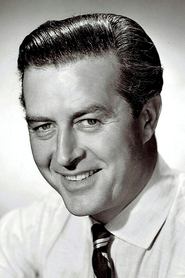
Tony Wendice

Margot Wendice

Mark Halliday
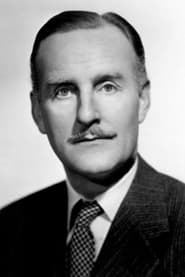
Chief Inspector Hubbard
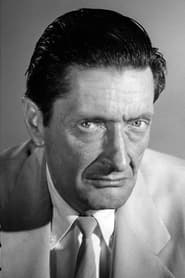
Captain Lesgate (Swann)
Main Cast & Characters
Tony Wendice
Played by Ray Milland
A former tennis pro who meticulously plans to murder his wealthy wife after discovering her affair, orchestrating an elaborate scheme for financial gain.
Margot Wendice
Played by Grace Kelly
Tony's wealthy wife who had a brief affair and becomes the target of her husband's murder plot, fighting for survival and ultimately her freedom.
Mark Halliday
Played by Robert Cummings
A successful American mystery writer and Margot's former lover who suspects Tony's involvement and works to uncover the truth.
Chief Inspector Hubbard
Played by John Williams
A shrewd Scotland Yard detective who investigates the attempted murder and methodically pieces together the truth behind Tony's elaborate scheme.
Captain Lesgate (Swann)
Played by Anthony Dawson
A shady acquaintance from Tony's past who is blackmailed into attempting to murder Margot, ultimately becoming a victim himself.
Structural Analysis
The Status Quo at 1 minutes (1% through the runtime) establishes Tony and Margot Wendice appear as a happy London couple, greeting Mark Halliday at their elegant flat. The surface of their marriage seems respectable and content.. Notably, this early placement immediately immerses viewers in the story world.
The inciting incident occurs at 11 minutes when Tony reveals to Captain Swann (Lesgate) that he knows about his criminal past and has been following him for months. He proposes the murder of Margot for her inheritance, blackmailing Swann into compliance.. At 11% through the film, this Disruption aligns precisely with traditional story structure. This beat shifts the emotional landscape, launching the protagonist into the central conflict.
The First Threshold at 24 minutes marks the transition into Act II, occurring at 22% of the runtime. This demonstrates the protagonist's commitment to Swann accepts the money and commits to the murder plan. Tony's scheme is now in motion, and there is no turning back for anyone involved., moving from reaction to action.
At 47 minutes, the Midpoint arrives at 45% of the runtime—arriving early, accelerating into Act IIb complications. Significantly, this crucial beat The police arrive and Tony's reframed narrative takes hold. Margot's claim of self-defense against a stranger begins to unravel as Tony plants evidence suggesting she knew Swann and planned his murder., fundamentally raising what's at risk. The emotional intensity shifts, dividing the narrative into clear before-and-after phases.
The Collapse moment at 71 minutes (67% through) represents the emotional nadir. Here, Margot is sentenced to death. Her execution date approaches. Mark desperately tries to construct theories to save her, but Tony deflects every attempt. All hope appears lost., illustrates the protagonist at their lowest point. This beat's placement in the final quarter sets up the climactic reversal.
The Second Threshold at 75 minutes initiates the final act resolution at 72% of the runtime. Inspector Hubbard reveals he's been suspicious of Tony all along. He's discovered the crucial detail: the key. Tony put his own key back in Margot's purse, meaning Swann's key is still hidden outside., demonstrating the transformation achieved throughout the journey.
Emotional Journey
Dial M for Murder's emotional architecture traces a deliberate progression across 15 carefully calibrated beats.
Narrative Framework
This structural analysis employs structural analysis methodology used to understand storytelling architecture. By mapping Dial M for Murder against these established plot points, we can identify how Alfred Hitchcock utilizes or subverts traditional narrative conventions. The plot point approach reveals not only adherence to structural principles but also creative choices that distinguish Dial M for Murder within the crime genre.
Alfred Hitchcock's Structural Approach
Among the 20 Alfred Hitchcock films analyzed on Arcplot, the average structural score is 6.6, demonstrating varied approaches to story architecture. Dial M for Murder takes a more unconventional approach compared to the director's typical style. For comparative analysis, explore the complete Alfred Hitchcock filmography.
Comparative Analysis
Additional crime films include The Bad Guys, Rustom and The Whole Ten Yards. For more Alfred Hitchcock analyses, see Family Plot, The Birds and Vertigo.
Plot Points by Act
Act I
SetupStatus Quo
Tony and Margot Wendice appear as a happy London couple, greeting Mark Halliday at their elegant flat. The surface of their marriage seems respectable and content.
Theme
Mark, a mystery writer, discusses the nature of the "perfect crime" and how criminals always overlook small details. This foreshadows Tony's elaborate but ultimately flawed murder scheme.
Worldbuilding
The sophisticated London world is established: the Wendices' flat becomes the central location, Margot and Mark's past affair is revealed, and Tony's calculated, charming demeanor masks darker intentions.
Disruption
Tony reveals to Captain Swann (Lesgate) that he knows about his criminal past and has been following him for months. He proposes the murder of Margot for her inheritance, blackmailing Swann into compliance.
Resistance
Tony methodically explains his elaborate murder plan to Swann, detailing every step: the hidden key, the phone call timing, the staged break-in. Swann hesitates but is trapped by Tony's blackmail.
Act II
ConfrontationFirst Threshold
Swann accepts the money and commits to the murder plan. Tony's scheme is now in motion, and there is no turning back for anyone involved.
Mirror World
Margot, unaware of the danger, spends an intimate evening with Mark while Tony arranges his alibi at a stag party. The contrast between her innocent affection and Tony's cold calculation highlights the theme of betrayal.
Premise
The murder attempt unfolds with excruciating tension. Tony dials the phone, Swann enters, attacks Margot, but she fights back and kills him with scissors. Tony quickly adapts, manipulating the crime scene to frame Margot.
Midpoint
The police arrive and Tony's reframed narrative takes hold. Margot's claim of self-defense against a stranger begins to unravel as Tony plants evidence suggesting she knew Swann and planned his murder.
Opposition
Inspector Hubbard investigates while Tony continues manipulating evidence. Mark suspects Tony but cannot prove it. Margot is arrested, tried, and convicted of murder. Tony's plan seems to be succeeding perfectly.
Collapse
Margot is sentenced to death. Her execution date approaches. Mark desperately tries to construct theories to save her, but Tony deflects every attempt. All hope appears lost.
Crisis
Mark confronts Tony with an alternative theory about the murder, attempting to provoke a confession. Tony remains cool and unflappable, seemingly having committed the perfect crime.
Act III
ResolutionSecond Threshold
Inspector Hubbard reveals he's been suspicious of Tony all along. He's discovered the crucial detail: the key. Tony put his own key back in Margot's purse, meaning Swann's key is still hidden outside.
Synthesis
Hubbard sets an elaborate trap. He arranges for Margot to use her purse key, which won't work. Tony, unaware he's being watched, retrieves the hidden key from under the stair carpet, proving his guilt.
Transformation
Tony enters the flat to find Hubbard, Mark, and Margot waiting. Caught in his own web, he calmly pours himself a drink and acknowledges defeat. Justice is served; Margot is freed and the perfect crime proves imperfect.