
Dirty Mary Crazy Larry
Larry Rayder is an aspiring NASCAR driver; Deke Sommers is mechanic. As they feel they collectively are the best, the only thing that is holding them back is money to build the best vehicle possible. As such, they decide to rob a supermarket's office of the money in its safe to pursue their dream. On the most part, their robbery is successful, although their plan breaks down in its end phase, which doesn't allow them as much getaway time as they wanted. Another problem they face is an unexpected third person in their getaway, Larry's one-night stand Mary Coombs, who doesn't like the fact that Larry ran off on her, although she eventually also says that she doesn't want any of the money. With a police scanner and two-way radio in their souped-up Dodge Charger, they try to outrun the police, who have an identification of their vehicle, and a general description of the three. The police pursuit is led by the tenacious Sheriff Everett Franklin, who knows he and his team can catch them, but also knows that the three may be able to get out of the state to "freedom" through a grove of walnut trees, which Larry, Deke and Mary may or may not know. At every literal and figurative turn, Larry needs to show his superiority as a driver, while trying to ditch Mary, who is a little more resourceful in staying with them than he anticipates.
The film earned $15.2M at the global box office.


Plot Structure
Story beats plotted across runtime


Narrative Arc
Emotional journey through the story's key moments
Story Circle
Blueprint 15-beat structure
Arcplot Score Breakdown
Weighted: Precision (70%) + Arc (15%) + Theme (15%)
Dirty Mary Crazy Larry (1974) demonstrates precise narrative design, characteristic of John Hough's storytelling approach. This structural analysis examines how the film's 15-point plot structure maps to proven narrative frameworks across 1 hour and 33 minutes. With an Arcplot score of 6.7, the film balances conventional beats with creative variation.
Characters
Cast & narrative archetypes
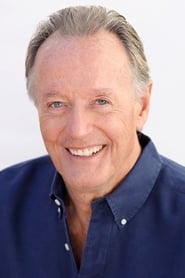
Larry Rayder
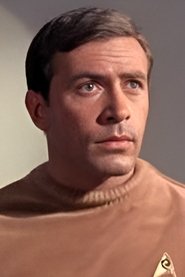
Deke Sommers

Mary Coombs

Franklin
Main Cast & Characters
Larry Rayder
Played by Peter Fonda
A skilled NASCAR driver who masterminds a supermarket robbery as a way to fund his racing career
Deke Sommers
Played by Adam Roarke
Larry's mechanic and partner in crime who helps execute the robbery and escape
Mary Coombs
Played by Susan George
Larry's one-night stand who forces her way into the getaway car and refuses to leave
Franklin
Played by Vic Morrow
The relentless police captain who leads the pursuit of the fugitives
Structural Analysis
The Status Quo at 1 minutes (1% through the runtime) establishes Larry in bed with Mary, a one-night stand. He's a race car driver dreaming of the big time but stuck without funds, living on the edge of his ambitions.. The analysis reveals that this early placement immediately immerses viewers in the story world.
The inciting incident occurs at 11 minutes when Mary forces herself into their getaway car, refusing to be left behind. What should have been a clean escape becomes complicated by an unwanted passenger who knows too much.. At 12% through the film, this Disruption aligns precisely with traditional story structure. This beat shifts the emotional landscape, launching the protagonist into the central conflict.
The First Threshold at 23 minutes marks the transition into Act II, occurring at 24% of the runtime. This illustrates the protagonist's commitment to Larry commits fully to the high-speed chase, refusing to surrender. He chooses to use his driving skills to outrun the police rather than face arrest, launching into the main pursuit., moving from reaction to action.
At 47 minutes, the Midpoint arrives at 50% of the runtime—precisely centered, creating perfect narrative symmetry. Significantly, this crucial beat False victory: Larry successfully evades a major police roadblock and helicopter surveillance. They seem to have escaped, confidence is high, and the money is still theirs. The dream seems achievable., fundamentally raising what's at risk. The emotional intensity shifts, dividing the narrative into clear before-and-after phases.
The Collapse moment at 70 minutes (76% through) represents the emotional nadir. Here, Their car is damaged, resources are depleted, and they're nearly caught multiple times. Deke is injured, Mary realizes the hopelessness of their situation, and Larry faces the death of his racing dream., reveals the protagonist at their lowest point. This beat's placement in the final quarter sets up the climactic reversal.
The Second Threshold at 74 minutes initiates the final act resolution at 80% of the runtime. Larry decides on one final push for freedom, using a walnut grove to evade the helicopter and making a desperate run for escape. He commits to seeing it through to the end., demonstrating the transformation achieved throughout the journey.
Emotional Journey
Dirty Mary Crazy Larry's emotional architecture traces a deliberate progression across 15 carefully calibrated beats.
Narrative Framework
This structural analysis employs a 15-point narrative structure framework that maps key story moments. By mapping Dirty Mary Crazy Larry against these established plot points, we can identify how John Hough utilizes or subverts traditional narrative conventions. The plot point approach reveals not only adherence to structural principles but also creative choices that distinguish Dirty Mary Crazy Larry within the action genre.
John Hough's Structural Approach
Among the 4 John Hough films analyzed on Arcplot, the average structural score is 7.1, reflecting strong command of classical structure. Dirty Mary Crazy Larry takes a more unconventional approach compared to the director's typical style. For comparative analysis, explore the complete John Hough filmography.
Comparative Analysis
Additional action films include The Bad Guys, Puss in Boots and Venom: The Last Dance. For more John Hough analyses, see Return from Witch Mountain, Escape to Witch Mountain and The Watcher in the Woods.
Plot Points by Act
Act I
SetupStatus Quo
Larry in bed with Mary, a one-night stand. He's a race car driver dreaming of the big time but stuck without funds, living on the edge of his ambitions.
Theme
The supermarket manager says "You can't get something for nothing" during the robbery setup, establishing the film's theme about consequences and the cost of shortcuts to success.
Worldbuilding
Larry and Deke execute their carefully planned supermarket robbery, establishing their partnership, their racing dreams, and their desperation for money to fund their NASCAR ambitions.
Disruption
Mary forces herself into their getaway car, refusing to be left behind. What should have been a clean escape becomes complicated by an unwanted passenger who knows too much.
Resistance
Larry and Deke debate what to do with Mary while beginning their escape. Police are alerted and Captain Franklin begins organizing the pursuit. The trio argues about their situation.
Act II
ConfrontationFirst Threshold
Larry commits fully to the high-speed chase, refusing to surrender. He chooses to use his driving skills to outrun the police rather than face arrest, launching into the main pursuit.
Mirror World
Mary begins to reveal herself as more than a nuisance, showing resilience and spirit. Her relationship with Larry develops a subtext about connection versus Larry's lone-wolf racing dreams.
Premise
The main chase sequence delivers on the film's promise: high-speed pursuits through rural California, near-misses, roadblocks, and Larry's exceptional driving skills on display as they evade police.
Midpoint
False victory: Larry successfully evades a major police roadblock and helicopter surveillance. They seem to have escaped, confidence is high, and the money is still theirs. The dream seems achievable.
Opposition
Captain Franklin intensifies pursuit with more resources. The net tightens with coordinated police efforts, roadblocks multiply, and the relationship tensions between Larry, Mary, and Deke increase under pressure.
Collapse
Their car is damaged, resources are depleted, and they're nearly caught multiple times. Deke is injured, Mary realizes the hopelessness of their situation, and Larry faces the death of his racing dream.
Crisis
The trio processes their dire situation, tensions peak, and Larry must confront whether his selfish dream is worth the cost to everyone involved. Moments of doubt and desperation.
Act III
ResolutionSecond Threshold
Larry decides on one final push for freedom, using a walnut grove to evade the helicopter and making a desperate run for escape. He commits to seeing it through to the end.
Synthesis
The final extended chase sequence where Larry uses every ounce of his driving skill, navigating through the walnut grove, evading Franklin, and seemingly achieving the impossible escape.
Transformation
The shocking ending: just as freedom seems assured, their car collides with a freight train at a crossing, killing all three instantly. The ultimate consequence for trying to get something for nothing.