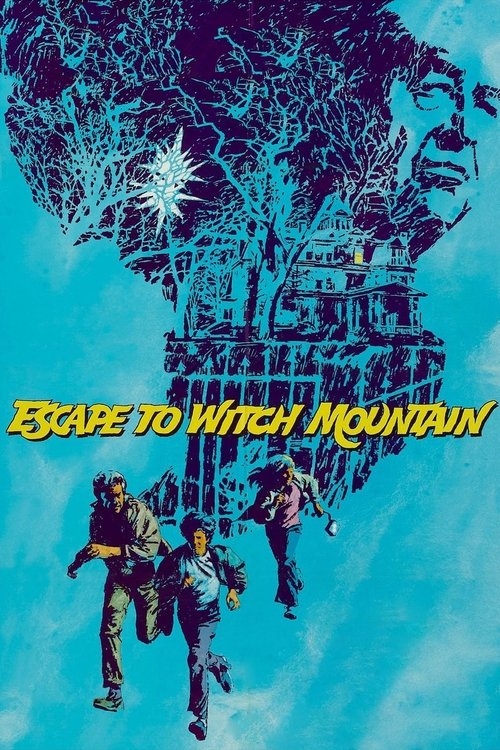
Escape to Witch Mountain
Tia and Tony are two orphaned youngsters with extraordinary powers. Lucas Deranian poses as their uncle in order to get the kids into the clutches of Deranian's megalomaniacal boss, evil millionaire Aristotle Bolt, who wants to exploit them. Jason, a cynical widower, helps Tia and Tony escape to witch mountain, while at the same time Tia and Tony help Jason escape the pain of the loss of his wife.
The film earned $20.0M at the global box office.


Plot Structure
Story beats plotted across runtime


Narrative Arc
Emotional journey through the story's key moments
Story Circle
Blueprint 15-beat structure
Arcplot Score Breakdown
Weighted: Precision (70%) + Arc (15%) + Theme (15%)
Escape to Witch Mountain (1975) demonstrates deliberately positioned narrative design, characteristic of John Hough's storytelling approach. This structural analysis examines how the film's 15-point plot structure maps to proven narrative frameworks across 1 hour and 37 minutes. With an Arcplot score of 6.7, the film balances conventional beats with creative variation.
Characters
Cast & narrative archetypes
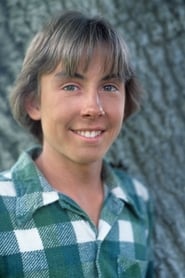
Tony Malone

Tia Malone
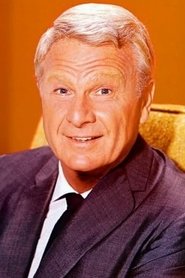
Jason O'Day
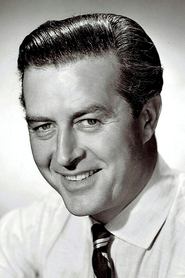
Aristotle Bolt
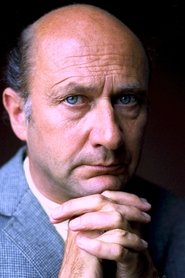
Lucas Deranian
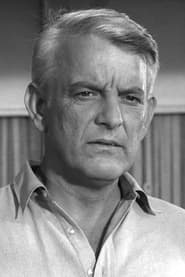
Uncle Bené
Main Cast & Characters
Tony Malone
Played by Ike Eisenmann
A teenage orphan with telepathic and telekinetic powers searching for his origins alongside his sister.
Tia Malone
Played by Kim Richards
Tony's twin sister who shares his psychic abilities and protective instincts.
Jason O'Day
Played by Eddie Albert
A kind-hearted widower and camper owner who helps the children escape their pursuers.
Aristotle Bolt
Played by Ray Milland
A wealthy, manipulative millionaire who seeks to exploit the children's powers for personal gain.
Lucas Deranian
Played by Donald Pleasence
Bolt's sinister henchman and accomplice who pursues the children relentlessly.
Uncle Bené
Played by Denver Pyle
A mysterious figure from the children's past who appears in visions and memories.
Structural Analysis
The Status Quo at 1 minutes (1% through the runtime) establishes Tony and Tia Malone, orphaned siblings with mysterious powers they don't understand, arrive at a children's home. They're isolated outsiders who don't belong anywhere, carrying only Tia's star case and fragmented memories of a past they can't recall.. Structural examination shows that this early placement immediately immerses viewers in the story world.
The inciting incident occurs at 13 minutes when Millionaire Aristotle Bolt, having learned of the children's powers through his henchman Lucas Deranian, arranges to adopt Tony and Tia. What seems like rescue is actually abduction—Bolt wants to exploit their abilities for his own gain.. At 13% through the film, this Disruption is delayed, allowing extended setup of the story world. This beat shifts the emotional landscape, launching the protagonist into the central conflict.
The First Threshold at 25 minutes marks the transition into Act II, occurring at 26% of the runtime. This shows the protagonist's commitment to Tony and Tia escape from Bolt's mansion, choosing to trust Tia's visions and seek Witch Mountain on their own. They actively reject Bolt's false security and embrace the dangerous journey toward their true identity, becoming fugitives in the process., moving from reaction to action.
At 49 minutes, the Midpoint arrives at 51% of the runtime—precisely centered, creating perfect narrative symmetry. Notably, this crucial beat Tia experiences a breakthrough vision revealing that Witch Mountain is real and their people are waiting for them. This false victory gives them hope and direction—they now know their destination exists. But Bolt's men are closing in, and the stakes have been raised., fundamentally raising what's at risk. The emotional intensity shifts, dividing the narrative into clear before-and-after phases.
The Collapse moment at 73 minutes (75% through) represents the emotional nadir. Here, Bolt's men finally capture Tony, Tia, and Jason. The children are separated and imprisoned. Their journey seems to have failed—they'll never reach Witch Mountain, never discover who they are. Jason is beaten and helpless. All hope of escape and belonging appears lost., illustrates the protagonist at their lowest point. This beat's placement in the final quarter sets up the climactic reversal.
The Second Threshold at 78 minutes initiates the final act resolution at 81% of the runtime. Tia receives a powerful psychic message from Witch Mountain—their people sense them and are sending help. Combined with Tony focusing his telekinetic abilities and Jason's distraction, they engineer an escape. The synthesis of their powers and Jason's courage creates their breakthrough., demonstrating the transformation achieved throughout the journey.
Emotional Journey
Escape to Witch Mountain's emotional architecture traces a deliberate progression across 15 carefully calibrated beats.
Narrative Framework
This structural analysis employs a 15-point narrative structure framework that maps key story moments. By mapping Escape to Witch Mountain against these established plot points, we can identify how John Hough utilizes or subverts traditional narrative conventions. The plot point approach reveals not only adherence to structural principles but also creative choices that distinguish Escape to Witch Mountain within the adventure genre.
John Hough's Structural Approach
Among the 4 John Hough films analyzed on Arcplot, the average structural score is 7.1, reflecting strong command of classical structure. Escape to Witch Mountain takes a more unconventional approach compared to the director's typical style. For comparative analysis, explore the complete John Hough filmography.
Comparative Analysis
Additional adventure films include The Black Stallion, The Bad Guys and Puss in Boots. For more John Hough analyses, see Return from Witch Mountain, Dirty Mary Crazy Larry and The Watcher in the Woods.
Plot Points by Act
Act I
SetupStatus Quo
Tony and Tia Malone, orphaned siblings with mysterious powers they don't understand, arrive at a children's home. They're isolated outsiders who don't belong anywhere, carrying only Tia's star case and fragmented memories of a past they can't recall.
Theme
A caretaker observes that the children seem to be searching for something—where they truly belong. The theme of identity and finding home is established: you must discover who you really are before you can find where you belong.
Worldbuilding
Life at the orphanage is established. Tony and Tia demonstrate their psychic abilities—Tia's telepathy and precognition, Tony's telekinesis. They're different from the other children, unable to remember their origins. Tia has visions connected to her star case but can't interpret them.
Disruption
Millionaire Aristotle Bolt, having learned of the children's powers through his henchman Lucas Deranian, arranges to adopt Tony and Tia. What seems like rescue is actually abduction—Bolt wants to exploit their abilities for his own gain.
Resistance
Tony and Tia are taken to Bolt's mansion where they're treated like prized possessions. Tia senses danger and deception. The children debate whether to trust their new guardian or flee. Tia's visions of Witch Mountain intensify, suggesting escape is their only path to answers.
Act II
ConfrontationFirst Threshold
Tony and Tia escape from Bolt's mansion, choosing to trust Tia's visions and seek Witch Mountain on their own. They actively reject Bolt's false security and embrace the dangerous journey toward their true identity, becoming fugitives in the process.
Mirror World
The children encounter Jason O'Day, a bitter, widowed camper who reluctantly helps them. Jason represents the thematic mirror—he's lost his sense of belonging after his wife's death and has given up on connection. His journey parallels theirs: finding purpose through helping others.
Premise
The children and Jason travel together in his Winnebago, evading Bolt's pursuers. Tony and Tia demonstrate their powers in creative ways—making the RV fly briefly, communicating with animals, sensing danger. They piece together clues about Witch Mountain while bonding with Jason.
Midpoint
Tia experiences a breakthrough vision revealing that Witch Mountain is real and their people are waiting for them. This false victory gives them hope and direction—they now know their destination exists. But Bolt's men are closing in, and the stakes have been raised.
Opposition
Bolt intensifies his pursuit, using helicopters and hired thugs. The children's powers draw unwanted attention. Jason becomes more protective but also more endangered. Each escape attempt brings more danger. Deranian nearly captures them multiple times, forcing them to use their powers more desperately.
Collapse
Bolt's men finally capture Tony, Tia, and Jason. The children are separated and imprisoned. Their journey seems to have failed—they'll never reach Witch Mountain, never discover who they are. Jason is beaten and helpless. All hope of escape and belonging appears lost.
Crisis
Imprisoned in Bolt's facility, the children face despair. Tia can't sense a way out. Tony's powers seem insufficient against their captors. Jason, injured and captive himself, apologizes for failing them. The children must confront whether their quest was always hopeless.
Act III
ResolutionSecond Threshold
Tia receives a powerful psychic message from Witch Mountain—their people sense them and are sending help. Combined with Tony focusing his telekinetic abilities and Jason's distraction, they engineer an escape. The synthesis of their powers and Jason's courage creates their breakthrough.
Synthesis
A thrilling chase ensues as the children and Jason race toward Witch Mountain with Bolt in pursuit. Their powers manifest more strongly as they near home. Uncle Bené and the Witch Mountain community intervene, using their advanced technology and powers to stop Bolt. The children finally reach their true home.
Transformation
Tony and Tia stand among their own kind on Witch Mountain, finally understanding who they are—extraterrestrial beings with a home and family. Jason, transformed from bitter loner to heroic protector, waves goodbye with renewed purpose. The orphans have found where they belong.