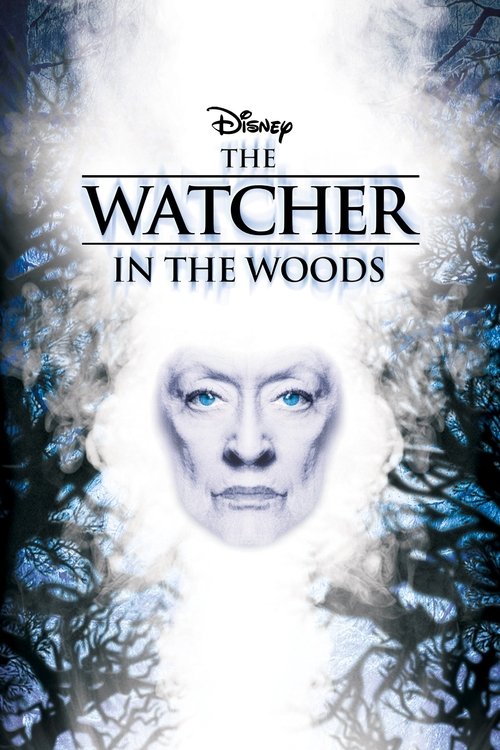
The Watcher in the Woods
After an American family moves to an old country manor in rural England, one of the daughters is tormented by the spirit of the owner's long lost daughter, who mysteriously disappeared 30 years ago during a solar eclipse.
The film struggled financially against its tight budget of $9.0M, earning $5.0M globally (-44% loss). While initial box office returns were modest, the film has gained appreciation for its bold vision within the fantasy genre.
1 win & 4 nominations
Plot Structure
Story beats plotted across runtime


Narrative Arc
Emotional journey through the story's key moments
Story Circle
Blueprint 15-beat structure
Arcplot Score Breakdown
Weighted: Precision (70%) + Arc (15%) + Theme (15%)
The Watcher in the Woods (1980) reveals deliberately positioned plot construction, characteristic of John Hough's storytelling approach. This structural analysis examines how the film's 15-point plot structure maps to proven narrative frameworks across 1 hour and 23 minutes. With an Arcplot score of 7.6, the film showcases strong structural fundamentals.
Characters
Cast & narrative archetypes

Jan Curtis
Mrs. Aylwood
Helen Curtis
Ellie Curtis
Paul Curtis
John Keller
Tom Colley
Main Cast & Characters
Jan Curtis
Played by Lynn-Holly Johnson
A curious teenage girl who experiences supernatural phenomena and becomes determined to solve the mystery of a girl's disappearance
Mrs. Aylwood
Played by Bette Davis
The mysterious and haunted owner of the estate who harbors dark secrets about her missing daughter
Helen Curtis
Played by Carroll Baker
Jan's protective mother who tries to shield her daughters from the estate's dark forces
Ellie Curtis
Played by Kyle Richards
Jan's younger sister who becomes possessed by supernatural forces seeking help
Paul Curtis
Played by David McCallum
The rational father figure who struggles to accept the supernatural events threatening his family
John Keller
Played by Benedict Taylor
A local young man who assists Jan in uncovering the mystery and provides support
Tom Colley
Played by Richard Pasco
The eccentric blindfolded man who witnessed Karen's disappearance and holds crucial information
Structural Analysis
The Status Quo at 1 minutes (1% through the runtime) establishes The Curtis family arrives at a remote English estate to rent a manor house from elderly Mrs. Aylwood, seeking a fresh start in the countryside.. Notably, this early placement immediately immerses viewers in the story world.
The inciting incident occurs at 10 minutes when Jan experiences a terrifying supernatural encounter in the woods during a blindfold game, hearing voices calling her name and seeing a ghostly presence, disrupting any sense of normalcy.. At 12% through the film, this Disruption aligns precisely with traditional story structure. This beat shifts the emotional landscape, launching the protagonist into the central conflict.
The First Threshold at 21 minutes marks the transition into Act II, occurring at 25% of the runtime. This shows the protagonist's commitment to Jan actively chooses to investigate Karen's disappearance after young Ellie is possessed and begins channeling the missing girl, making the mystery impossible to ignore., moving from reaction to action.
At 42 minutes, the Midpoint arrives at 50% of the runtime—precisely centered, creating perfect narrative symmetry. The analysis reveals that this crucial beat Jan discovers the truth: Karen disappeared during a supernatural event 30 years ago and has been trapped in another dimension. The stakes escalate as it becomes clear that Karen is trying to return and Ellie is in danger., fundamentally raising what's at risk. The emotional intensity shifts, dividing the narrative into clear before-and-after phases.
The Collapse moment at 62 minutes (75% through) represents the emotional nadir. Here, Ellie is fully possessed and disappears into the supernatural realm, seemingly lost forever. Jan has failed to protect her sister, and all hope appears lost as the watcher claims another victim., shows the protagonist at their lowest point. This beat's placement in the final quarter sets up the climactic reversal.
The Second Threshold at 66 minutes initiates the final act resolution at 80% of the runtime. Jan realizes that only by completing the ritual and confronting the supernatural force directly can she save Ellie and free Karen. Mrs. Aylwood provides the final pieces of information needed, choosing truth over denial., demonstrating the transformation achieved throughout the journey.
Emotional Journey
The Watcher in the Woods's emotional architecture traces a deliberate progression across 15 carefully calibrated beats.
Narrative Framework
This structural analysis employs structural analysis methodology used to understand storytelling architecture. By mapping The Watcher in the Woods against these established plot points, we can identify how John Hough utilizes or subverts traditional narrative conventions. The plot point approach reveals not only adherence to structural principles but also creative choices that distinguish The Watcher in the Woods within the fantasy genre.
John Hough's Structural Approach
Among the 4 John Hough films analyzed on Arcplot, the average structural score is 7.1, reflecting strong command of classical structure. The Watcher in the Woods represents one of the director's most structurally precise works. For comparative analysis, explore the complete John Hough filmography.
Comparative Analysis
Additional fantasy films include Thinner, Ella Enchanted and Conan the Barbarian. For more John Hough analyses, see Return from Witch Mountain, Escape to Witch Mountain and Dirty Mary Crazy Larry.
Plot Points by Act
Act I
SetupStatus Quo
The Curtis family arrives at a remote English estate to rent a manor house from elderly Mrs. Aylwood, seeking a fresh start in the countryside.
Theme
Mrs. Aylwood cryptically mentions that "some things are better left in the past," establishing the theme of confronting buried truths versus denial.
Worldbuilding
Jan and Ellie Curtis explore their new home and surrounding woods. Strange occurrences begin: mysterious reflections, whispers, and Jan's name appearing in windows. The family settles in while eerie supernatural elements are introduced.
Disruption
Jan experiences a terrifying supernatural encounter in the woods during a blindfold game, hearing voices calling her name and seeing a ghostly presence, disrupting any sense of normalcy.
Resistance
Jan debates whether to investigate the mystery or dismiss it. She meets local teens who reveal the legend of Karen Aylwood, who disappeared 30 years ago during a eclipse ceremony. Jan resists getting involved but is drawn deeper.
Act II
ConfrontationFirst Threshold
Jan actively chooses to investigate Karen's disappearance after young Ellie is possessed and begins channeling the missing girl, making the mystery impossible to ignore.
Mirror World
Jan bonds with Mike Fleming, a local boy who becomes her ally. Their relationship represents trust and partnership versus the isolation and secrets embodied by Mrs. Aylwood.
Premise
Jan and Mike explore the supernatural mystery, investigating Karen's disappearance. They uncover clues about the eclipse ceremony, discover Karen's chapel, and experience increasingly intense paranormal phenomena. The promise of a supernatural mystery unfolds.
Midpoint
Jan discovers the truth: Karen disappeared during a supernatural event 30 years ago and has been trapped in another dimension. The stakes escalate as it becomes clear that Karen is trying to return and Ellie is in danger.
Opposition
Mrs. Aylwood's denial and grief become antagonistic forces blocking the truth. The supernatural presence intensifies its attacks on Ellie. Jan's parents doubt her, creating additional obstacles. Time is running out as another eclipse approaches.
Collapse
Ellie is fully possessed and disappears into the supernatural realm, seemingly lost forever. Jan has failed to protect her sister, and all hope appears lost as the watcher claims another victim.
Crisis
Jan faces her darkest moment of despair and guilt. Mrs. Aylwood finally confronts her own 30 years of denial and grief, breaking down emotionally as she faces what happened to Karen.
Act III
ResolutionSecond Threshold
Jan realizes that only by completing the ritual and confronting the supernatural force directly can she save Ellie and free Karen. Mrs. Aylwood provides the final pieces of information needed, choosing truth over denial.
Synthesis
Jan and the others recreate the eclipse ceremony, confront the supernatural entity, and rescue both Ellie and Karen from the other dimension. The power of facing truth and completing unfinished business resolves the haunting.
Transformation
The Curtis family, now reunited and safe, departs the estate. Mrs. Aylwood has closure with Karen's return. Jan has transformed from a passive newcomer to a brave hero who confronted the unknown.