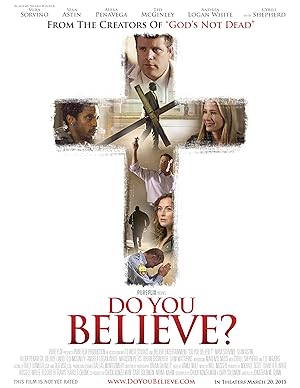
Do You Believe?
A dozen different souls, all moving in different directions, all longing for something more. As their lives unexpectedly intersect, they each are about to discover there is power in the Cross of Christ, even if they don't yet believe it. When a local pastor is shaken to the core by the visible faith of an old street corner preacher, he is reminded that true belief always requires action. His response ignites a faith-fueled journey that powerfully impacts everyone it touches in ways that only God could orchestrate. More than a movie, it's a question we all must answer in our lifetimes: DO YOU BELIEVE?
Despite its modest budget of $2.3M, Do You Believe? became a massive hit, earning $14.4M worldwide—a remarkable 527% return. The film's distinctive approach engaged audiences, illustrating how strong storytelling can transcend budget limitations.
2 wins & 3 nominations


Plot Structure
Story beats plotted across runtime


Narrative Arc
Emotional journey through the story's key moments
Story Circle
Blueprint 15-beat structure
Arcplot Score Breakdown
Weighted: Precision (70%) + Arc (15%) + Theme (15%)
Do You Believe? (2015) showcases precise dramatic framework, characteristic of Jon Gunn's storytelling approach. This structural analysis examines how the film's 15-point plot structure maps to proven narrative frameworks across 1 hour and 55 minutes. With an Arcplot score of 7.0, the film balances conventional beats with creative variation.
Characters
Cast & narrative archetypes

Matthew
Samantha
Andrea
Lacey
Joe
Kriminal
Carlos
Dr. Farell
Bobby
Main Cast & Characters
Matthew
Played by Ted McGinley
A pastor struggling with faith who receives a life-changing challenge from a street preacher to act on the cross he wears.
Samantha
Played by Mira Sorvino
Matthew's wife, a doctor who faces her own crisis of faith when a patient challenges her beliefs.
Andrea
Played by Alexa PenaVega
A pregnant street woman who becomes homeless and faces a difficult decision about her unborn child.
Lacey
Played by Cybill Shepherd
A single mother struggling with addiction who tries to reconnect with her young daughter.
Joe
Played by Lee Majors
An elderly war veteran suffering from PTSD who carries deep wounds from his past and finds unexpected redemption.
Kriminal
Played by Joseph Julian Soria
A gang member facing violence and moral choices who crosses paths with a local pastor.
Carlos
Played by David A. R. White
A compassionate EMT who helps Andrea and demonstrates practical faith through his actions.
Dr. Farell
Played by Andrea Logan White
An atheist doctor who challenges Samantha's faith and represents intellectual skepticism.
Bobby
Played by Madison Pettis
A young soldier deployed overseas whose fate impacts multiple characters back home.
Structural Analysis
The Status Quo at 1 minutes (1% through the runtime) establishes Pastor Matthew delivers a routine Sunday sermon to his comfortable suburban church. Multiple characters shown in their ordinary lives: a pregnant homeless woman, an EMT couple, a soldier with PTSD, elderly couple, and a successful doctor. Everyone living separately, unaware their lives will intersect.. Of particular interest, this early placement immediately immerses viewers in the story world.
The inciting incident occurs at 14 minutes when Pastor Matthew cannot shake the street preacher's challenge. He realizes his faith has become comfortable and passive. The question "Do you believe?" haunts him, disrupting his sense of spiritual complacency. Simultaneously, crises begin emerging in other characters' lives - violence, medical emergencies, legal troubles.. At 12% through the film, this Disruption aligns precisely with traditional story structure. This beat shifts the emotional landscape, launching the protagonist into the central conflict.
The First Threshold at 30 minutes marks the transition into Act II, occurring at 26% of the runtime. This indicates the protagonist's commitment to Pastor Matthew makes the active choice to preach a bold sermon challenging his congregation to live out their faith through action, not just words. He commits to personally demonstrating active faith. This decision sets in motion helping Samantha and connecting the various storylines. Other characters begin making their own choices to act on belief., moving from reaction to action.
At 60 minutes, the Midpoint arrives at 52% of the runtime—precisely centered, creating perfect narrative symmetry. Notably, this crucial beat False victory: Multiple storylines reach hopeful moments - Samantha finds temporary shelter and community, the pastor feels fulfilled in his active ministry, relationships deepen, lives are being changed. The characters believe their faith will protect them and everything will work out. Stakes raise as opposition becomes apparent - legal challenges, medical crises intensify, violence threatens., fundamentally raising what's at risk. The emotional intensity shifts, dividing the narrative into clear before-and-after phases.
The Collapse moment at 85 minutes (74% through) represents the emotional nadir. Here, Tragedy strikes: A violent confrontation results in deaths and severe injuries. Samantha and others are critically wounded. The EMT husband Carlos is killed in the line of duty. Lily (elderly wife) dies from cancer. Multiple characters face literal death. Everything falls apart simultaneously - all the faith and good works seem to have led only to loss and suffering., reveals the protagonist at their lowest point. This beat's placement in the final quarter sets up the climactic reversal.
The Second Threshold at 90 minutes initiates the final act resolution at 78% of the runtime. Synthesis moment: In the darkness, characters discover that genuine faith isn't about protection from suffering but presence within it. The dying and dead leave testimonies of hope. Those who seemed to "lose everything" actually found what matters most. Characters realize their interconnected acts of faith created eternal impact. They choose to affirm belief despite the cost., demonstrating the transformation achieved throughout the journey.
Emotional Journey
Do You Believe?'s emotional architecture traces a deliberate progression across 15 carefully calibrated beats.
Narrative Framework
This structural analysis employs structural analysis methodology used to understand storytelling architecture. By mapping Do You Believe? against these established plot points, we can identify how Jon Gunn utilizes or subverts traditional narrative conventions. The plot point approach reveals not only adherence to structural principles but also creative choices that distinguish Do You Believe? within the drama genre.
Jon Gunn's Structural Approach
Among the 3 Jon Gunn films analyzed on Arcplot, the average structural score is 7.3, reflecting strong command of classical structure. Do You Believe? takes a more unconventional approach compared to the director's typical style. For comparative analysis, explore the complete Jon Gunn filmography.
Comparative Analysis
Additional drama films include After Thomas, South Pacific and Dirty Dancing: Havana Nights. For more Jon Gunn analyses, see Ordinary Angels, The Case for Christ.
Plot Points by Act
Act I
SetupStatus Quo
Pastor Matthew delivers a routine Sunday sermon to his comfortable suburban church. Multiple characters shown in their ordinary lives: a pregnant homeless woman, an EMT couple, a soldier with PTSD, elderly couple, and a successful doctor. Everyone living separately, unaware their lives will intersect.
Theme
A street preacher carrying a large cross confronts Pastor Matthew after church, challenging him: "Do you believe?" and stating that faith without action is dead. The central thematic question is posed - do you merely say you believe, or does your belief transform your actions?
Worldbuilding
Introduction of the ensemble: Pastor Matthew's comfortable church life and family; Samantha (pregnant homeless woman) struggling on streets; Bobby and Kriminal (gang members); Joe and Lily (elderly couple dealing with illness); EMTs Lacey and Carlos in their routine; Dr. Farell teaching at hospital; veteran with PTSD. Each character established in their separate worlds with distinct conflicts.
Disruption
Pastor Matthew cannot shake the street preacher's challenge. He realizes his faith has become comfortable and passive. The question "Do you believe?" haunts him, disrupting his sense of spiritual complacency. Simultaneously, crises begin emerging in other characters' lives - violence, medical emergencies, legal troubles.
Resistance
Pastor Matthew wrestles with what it means to truly live out faith. He debates changing his comfortable life. Other characters face their own debates: Samantha must decide whether to accept help; the veteran struggles with asking for support; the EMTs question their purpose. Each character resists stepping into active faith or vulnerability.
Act II
ConfrontationFirst Threshold
Pastor Matthew makes the active choice to preach a bold sermon challenging his congregation to live out their faith through action, not just words. He commits to personally demonstrating active faith. This decision sets in motion helping Samantha and connecting the various storylines. Other characters begin making their own choices to act on belief.
Mirror World
Samantha, the pregnant homeless woman, becomes the thematic mirror. Her desperate faith and trust in God despite having nothing contrasts with the comfortable faith of others. The pastor and his wife Grace decide to help her, beginning a relationship that will teach them what genuine faith looks like. Other character pairs form (EMTs, elderly couple, veteran and gang member).
Premise
The "promise of the premise" - characters actively living out their faith and watching lives intersect. Pastor Matthew and Grace help Samantha; the EMTs respond to emergencies with renewed purpose; the elderly couple faces terminal illness with grace; characters cross paths through acts of service and sacrifice. Faith-in-action creates community and connection.
Midpoint
False victory: Multiple storylines reach hopeful moments - Samantha finds temporary shelter and community, the pastor feels fulfilled in his active ministry, relationships deepen, lives are being changed. The characters believe their faith will protect them and everything will work out. Stakes raise as opposition becomes apparent - legal challenges, medical crises intensify, violence threatens.
Opposition
Forces close in on all characters. Dr. Farell faces legal action for sharing faith with a patient. Gang violence escalates threatening Bobby and others. Samantha's pregnancy complications arise. The elderly wife's cancer worsens. A legal case challenges religious freedom. The veteran's PTSD causes crisis. The cost of living out faith becomes severe - jobs threatened, safety at risk, relationships strained.
Collapse
Tragedy strikes: A violent confrontation results in deaths and severe injuries. Samantha and others are critically wounded. The EMT husband Carlos is killed in the line of duty. Lily (elderly wife) dies from cancer. Multiple characters face literal death. Everything falls apart simultaneously - all the faith and good works seem to have led only to loss and suffering.
Crisis
Dark night of the soul across all storylines. Characters grieve and question everything. Lacey (widowed EMT) processes Carlos's death. Joe mourns Lily. The pastor questions if his call to action caused these tragedies. Samantha hovers near death. In hospital rooms and at bedsides, characters face the ultimate test: do they still believe when faith costs everything?
Act III
ResolutionSecond Threshold
Synthesis moment: In the darkness, characters discover that genuine faith isn't about protection from suffering but presence within it. The dying and dead leave testimonies of hope. Those who seemed to "lose everything" actually found what matters most. Characters realize their interconnected acts of faith created eternal impact. They choose to affirm belief despite the cost.
Synthesis
The finale weaves resolution across storylines. The trial becomes a platform for testimony. Characters stand firm in faith despite consequences. Samantha recovers and delivers her baby. Those who died are honored for their sacrifice. The interconnected web of faith-in-action is revealed - how each person's choice to believe actively affected others. Legal victories and defeats both serve the larger purpose.
Transformation
Final image mirrors opening but transformed: Pastor Matthew preaches again, but now to a diverse congregation that includes all the survivors - no longer separate comfortable lives, but a genuine community forged through sacrificial faith. The question "Do you believe?" is now answered not with words but with the evidence of transformed lives and willing sacrifice. The cross from the street preacher is now carried forward.